Why Sustainability Claims Fail Without Robust Farm Data Tracking
A new study published in Science, as reported by Mirage News, points to a basic weakness in sustainability claims: farms may be asked to prove better practices without having monitoring systems…
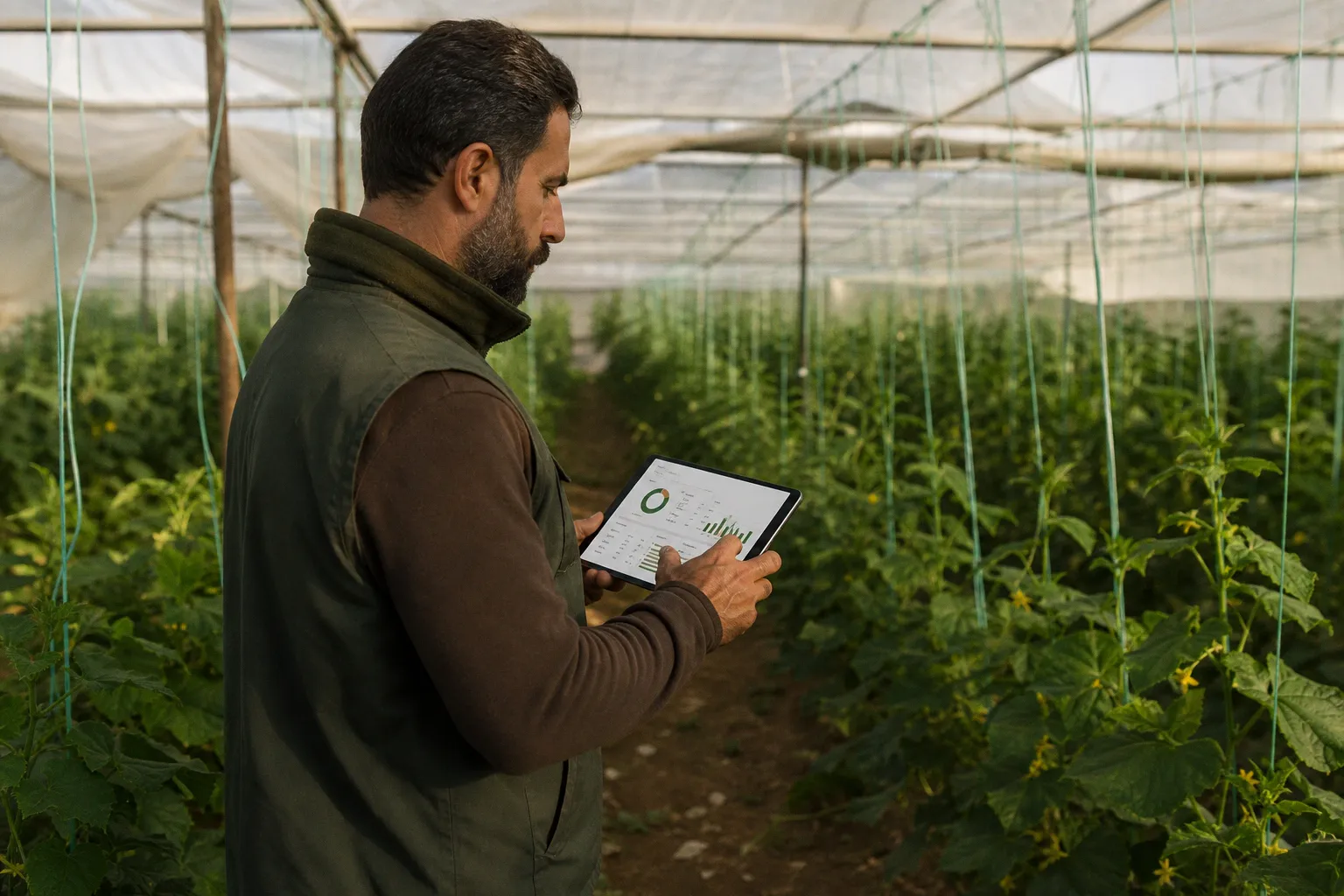
A new study published in Science, as reported by Mirage News, points to a basic weakness in sustainability claims: farms may be asked to prove better practices without having monitoring systems strong enough to track them reliably. That matters for agricultural cooperatives because traceability is becoming part of market access, not merely an administrative exercise. For Lebanese producers preparing fresh produce for demanding buyers, the practical question is simple: can a cooperative show what was done in the field, when it was done, and how the record was checked?
The study’s main finding is not that sustainable farming is impossible. It is that sustainability programmes need better monitoring, particularly when they involve smallholder farmers. That distinction is important. A cooperative can adopt sound practices—agroforestry, climate-smart production, or more careful use of inputs—but weak records can make those efforts difficult to verify.
The weak point is often the record, not the practice
A sustainability claim usually depends on evidence collected during the season. That may include production activities, field observations, input use, or progress against a programme requirement. If information is recorded inconsistently, checked only by the people closest to the target, or stored without a clear correction history, the final claim becomes harder to trust.
This is where cooperatives should look beyond the label itself. A certification or sustainability programme may open a route to buyers, but the strength of that route depends on how the underlying data is gathered. The recent research highlights the need for monitoring systems that can work in smallholder settings, where farms are numerous and record-keeping capacity varies.
A practical first step is to create one shared farm log for every member. Keep it deliberately narrow: field or plot identification, crop, key farm activity, date, input records, and the person who entered or checked the information. The goal is not to build a complicated digital platform before the cooperative knows what it needs. The goal is to establish a consistent chain of evidence that can be reviewed before a buyer or auditor requests it.
Corrections should also remain visible. A record that changes without showing who changed it and why is difficult to audit, even when the original information was entered in good faith. Cooperatives should agree on a simple rule: no silent edits, and no last-minute reconstruction of seasonal records.
Link ecological work to market readiness
A separate update from the Global Agriculture and Food Security Program describes smallholder farmers in Tanzania adopting sustainable agroforestry and climate-smart farming practices, with the stated aims of improving crop yields and building long-term resilience. The example is useful because it connects field practice with a broader farm system rather than treating sustainability as a single input or slogan.
For a Lebanese cooperative, the lesson is to record the practice and its purpose together. If members are changing crop management, protecting soil, integrating trees, or reducing dependence on costly external inputs, the cooperative should document what was changed and how the change fits the farm plan. That does not prove an outcome by itself, but it gives buyers and programme managers a clearer basis for understanding the work.
The same discipline applies when programmes involve payments or formal incentives. ADAS has released guidance for farmers preparing Sustainable Farming Incentive applications in 2026, highlighting changes that include rotational action limits and a new payment cap. This is a UK-specific update, not a Lebanese rule, but it illustrates why cooperatives should not rely on last season’s paperwork. Programme conditions can change, and a farm record designed for one set of requirements may not answer the questions posed by another.
A workable seasonal timetable
Before planting, list the sustainability requirements that apply to the cooperative’s target market and turn them into a short field form. During the season, record activities close to the date they happen rather than waiting for harvest. At regular cooperative meetings, review a sample of member records and flag missing entries while the details are still easy to confirm.
After harvest, check whether each claim can be traced to a field record and a named reviewer. Keep the documentation together with the crop and lot information used for sales. Then revise the form before the next season begins.
The study’s warning is therefore practical: sustainability cannot be measured convincingly if the monitoring system is treated as an afterthought. For cooperatives, better tracking is a modest operational investment—one that can protect the credibility of good farming work when produce moves from local fields into global supply chains.