Lebanese Olive Growers Demand Import Restrictions and War Reparations
As our cooperative community gathered at an emergency session of the Olive and Olive Oil Committee under Lebanon's National Union of Cooperative Associations, a formal memorandum reached Agriculture…
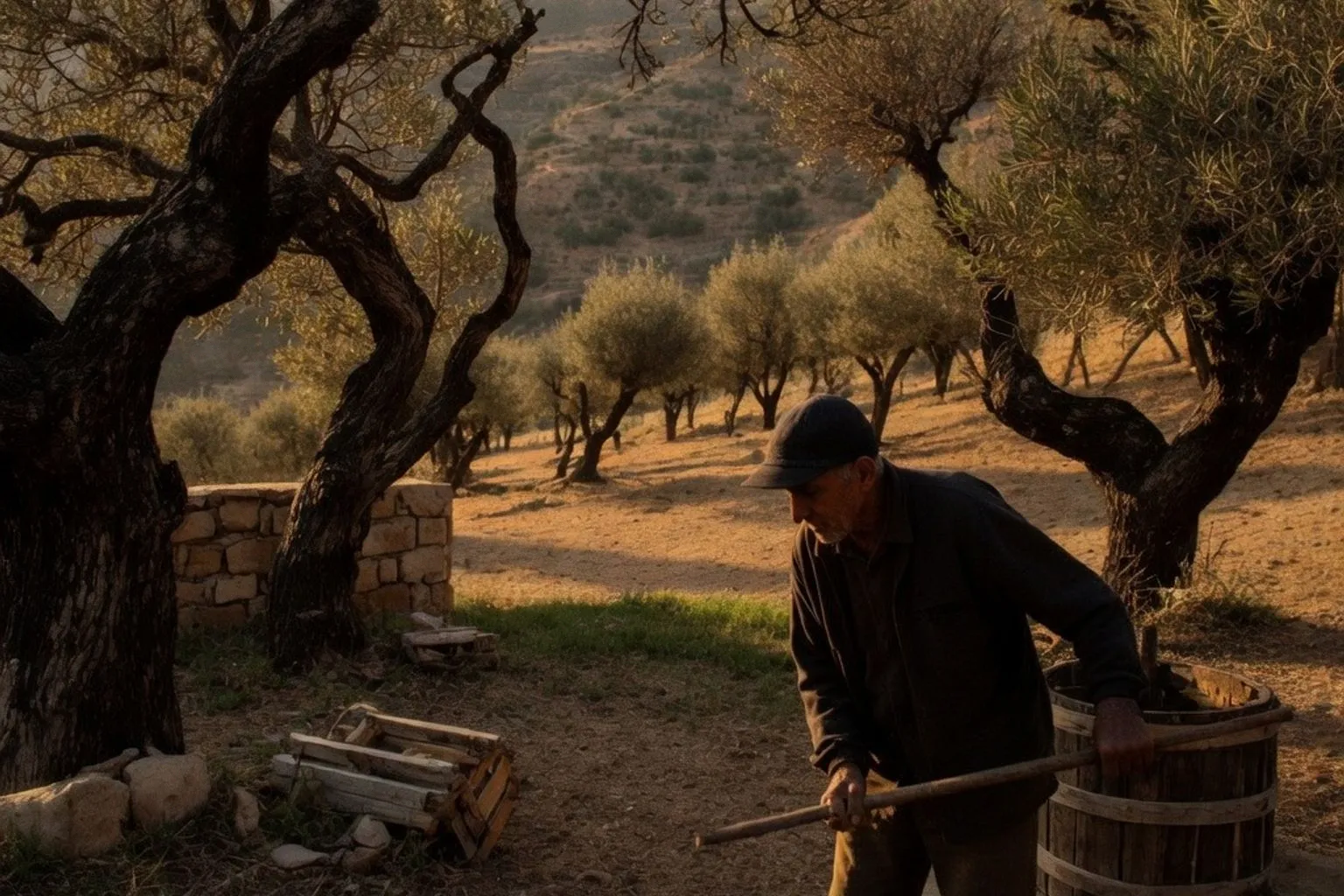
As our cooperative community gathered at an emergency session of the Olive and Olive Oil Committee under Lebanon's National Union of Cooperative Associations, a formal memorandum reached Agriculture Minister Nizar Hani with a clear, urgent message: protect our growers, protect our groves, protect the harvest that ties so many Lebanese families to the land. The union is pressing for an immediate, comprehensive ban on olive oil imports, the release of state dues owed to farmers since 2013, and meaningful compensation for the destruction wrought by war. It is a moment that asks every link in our cooperative chain — from mill operators to ministry officials — to step up together.
What the memorandum asks for
At the heart of the filing is a set of concrete, actionable demands rooted in what our growers have been saying for years. The committee is calling on military and security institutions, starting with the Lebanese Army, to source their olive oil exclusively from domestic production — a move that would shore up local demand while starving the market of smuggled and counterfeit goods. They are pressing for closure of the Tripoli free zone, which the union identifies as a key channel for illicit product entering Lebanon, and for a ban on the use of colored vegetable oils in restaurants. Amendments to Libnor standards are also on the list, to close the loopholes that let fraudulent oil pass as legitimate.
On the phytosanitary side, the committee is urging strict preventive measures against Xylella fastidiosa, the bacterium that has devastated olive groves elsewhere in the Mediterranean and could permanently alter our landscape if it crosses the border. And on the financial side, the memorandum insists that the state settle the long-overdue dues owed to farmers since 2013 — money many of our growers have been counting on to reinvest in their trees, their mills, and their families.
The wartime toll, and the case for war compensation
Perhaps the most emotionally weighted section of the memorandum is the call for compensation tied to the destruction caused by the Israeli occupation. Between 2023 and 2026, an estimated 200,000 mature olive trees were uprooted or burned, and millions of saplings were lost. For our growers, these are not abstract statistics — they are grandfathers' trees, inheritance passed down through generations, and the financial backbone of entire villages. The union's request is for the Lebanese state to formally recognize this loss and compensate the farming families who have borne it.
Beyond compensation, the committee is asking for a serious security plan to combat oil smuggling and protect groves from theft, alongside structural support: modernizing olive mills, encouraging the transition to organic practices, and strengthening cooperatives as the organizational backbone of the sector. It is a vision of sustainability built from the ground up, and it depends on all of us — government, security forces, cooperative leaders, and growers — pulling in the same direction.
What we can do from here
For our cooperative networks, the practical path forward begins with documenting what each member has lost — trees, saplings, yield, dues — in clear, dated records that can support both state claims and cooperative advocacy. We can coordinate with municipal authorities and the Lebanese Army on sourcing commitments, and we can press local restaurants and retailers to verify the origin and authenticity of the oil they serve. The committee has laid the groundwork; our job now is to carry it forward with the steady, collective effort this moment demands.