New FAO and Canada Partnership Strengthens Lebanese Agricultural Cooperatives
Lebanon's Ministry of Agriculture has joined forces with FAO Lebanon and the Government of Canada in a new partnership aimed at strengthening food security and the rural livelihoods our growers depend on.
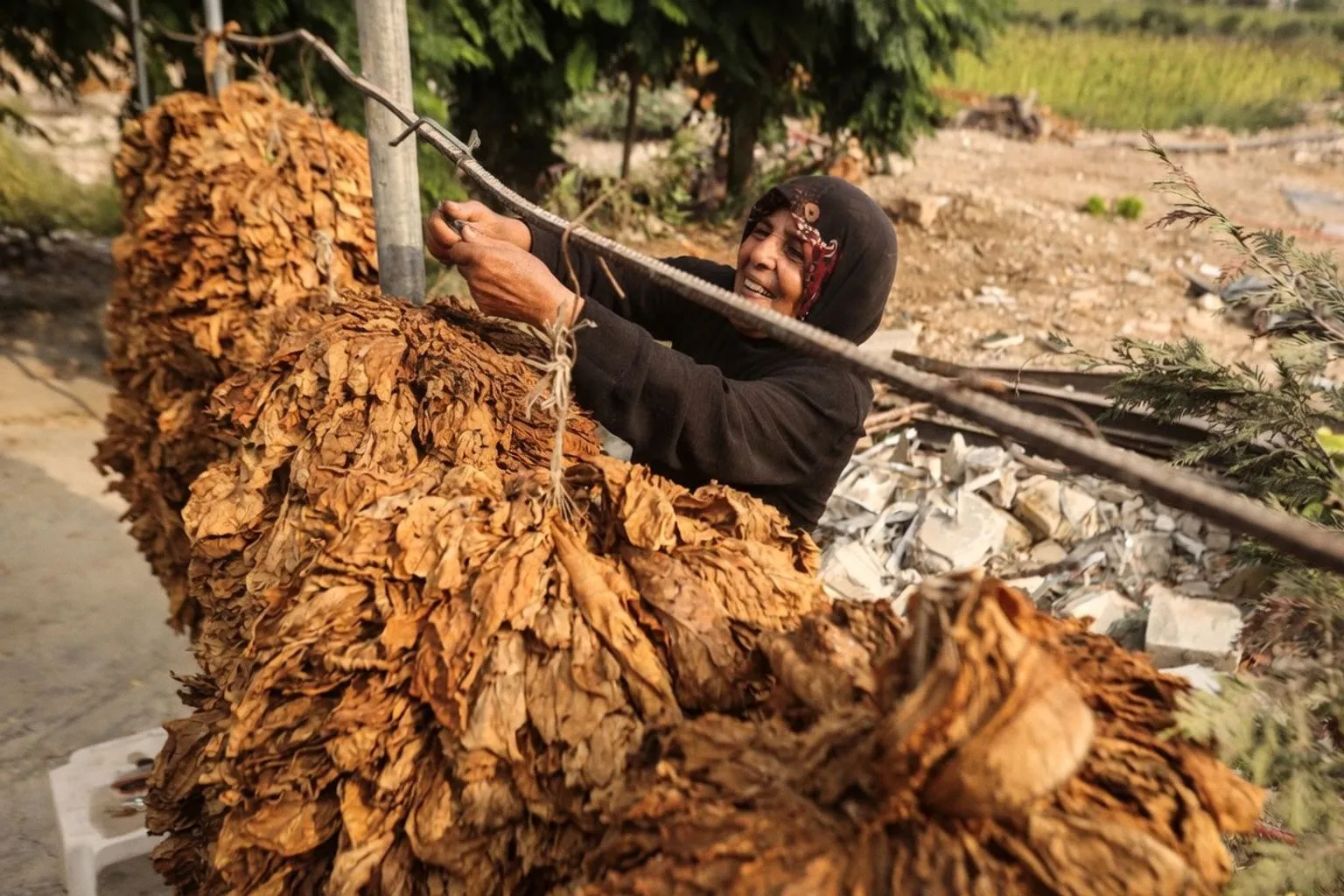
According to the announcement, the initiative is built around collective action, bringing smallholder farmers, rural women, youth, and agricultural cooperatives into a shared framework designed to ease high input costs, market volatility, and tight resources. For our cooperative community, this is a signal that international donors are finally aligning around the kind of pooled, multi-stakeholder approach our growers have been stitching together from the ground up.
What the partnership is built to do
The announcement names the pressures our members feel every season — costly inputs, unpredictable markets, and the structural limits of working land at a small scale. Cooperatives sit alongside smallholder farmers, rural women, and youth as the groups the partnership intends to serve. That positioning matters. It treats our organizations not as bystanders but as delivery channels through which training, resources, and market access are meant to flow.
For a cooperative leader, the practical question is where this work plugs into what we already do. If your group is already aggregating harvests, running shared packing lines, or coordinating collection points, a framework of this kind is designed to sit on top of those routines rather than replace them. Our existing muscle is the asset the partnership is leaning on.
Where it sits alongside other 2026 frameworks
A cooperative reading the news in isolation will miss the bigger picture. The Government of Lebanon and the United Nations recently released the 2026 Lebanon Response Plan, a $1.62 billion appeal covering nine critical sectors, food security and agriculture among them. This Canadian-funded track is likely to complement, or in some cases overlap with, those response plan consultations. Worth checking which value chains and governorates each stream is prioritizing before committing your cooperative's attention.
For export-oriented groups, the Apple Export Roadmap 2026 and its 100,000-ton target belong in the same reading list. Donor funding tends to follow export readiness, so cooperatives investing in grading, sizing, and cold-chain discipline are better placed to absorb new support when it arrives.
What cooperative leaders can do this week
A few grounded steps before the operational details land:
- Watch the Ministry of Agriculture and FAO Lebanon channels for the specifics — eligibility windows, priority crops, application routes. The launch announcement speaks to intent; the rules that decide who benefits come later.
- Tighten your membership records, your harvest aggregation logs, and your basic financial statements. Partnerships of this shape reward cooperatives that already look organized on paper.
- For groups near the south, factor in access. In towns like Khiam, Kfar Kila, and Meiss al-Jabal, growers have described losing not just homes but orchards, tobacco plots, and olive groves — years of investment turned uncertain by restricted access to land close to the Blue Line. Agricultural protection specialists at the Ministry of Agriculture have noted that farming runs on schedules that cannot be postponed indefinitely. Any new funding channel that reaches our southern members quickly will do more good than a slower, better-designed one.
The scaffolding we have been waiting for
Our growers know the land. What we need now is the scaffolding around them — the coordinated funding, the access arrangements, the shared grading standards — that lets cooperative effort translate into a measurable season after season. This partnership is shaped the right way: collective in language, cooperative in design, and serious about the people who actually do the work. Keep your records current, your membership aligned, and your eyes on the next operational note from the Ministry and FAO. Groups that are already organized, already aggregating, and already speaking in one voice will find this door easiest to walk through — and they should be ready when it opens.