Lebanon’s Youth Are Redefining Agricultural Innovation Through Small-Scale Experiments
The UN in Lebanon marked this year's International Youth Day by stepping back and handing the floor to young people who are already building under pressure — and the message they carried back matters for everyone working in our fresh-produce pipeline.
Two parallel initiatives, the #StillHereStillBuilding digital campaign and the SDG Ambassadors of Change program, put more than 25 young Lebanese women and men on record about what keeps them going, what they hope for, and what they're already contributing to their communities. Among them is Julia Assi, a university student from South Lebanon and one of 23 newly selected ambassadors inside the UN Global Compact Network Lebanon's SDG Brain Lab. For our cooperatives, the signal is clear: the next generation of growers, packers, and exporters isn't waiting for permission — they're asking for room to experiment.
What our young members are actually asking for
Julia Assi framed it directly in her remarks to UN Lebanon: "Give a young person a real problem, a limited budget, three months and the freedom to experiment." She went further, adding that "Lebanon does not need thousands of perfect successes. It needs thousands of young people to have the opportunity to test thousands of ideas."
That language lands close to home for anyone running a cooperative export cycle. The same logic that drives the SDG Brain Lab — small bets, real constraints, a defined window — is how grower groups have historically cracked tough markets. We can't redesign cold-chain handling or crate standardization for an EU or Gulf buyer on a whiteboard. We need a trial shipment, a clock, and the freedom to learn from what breaks.
Why our cooperatives should be paying attention
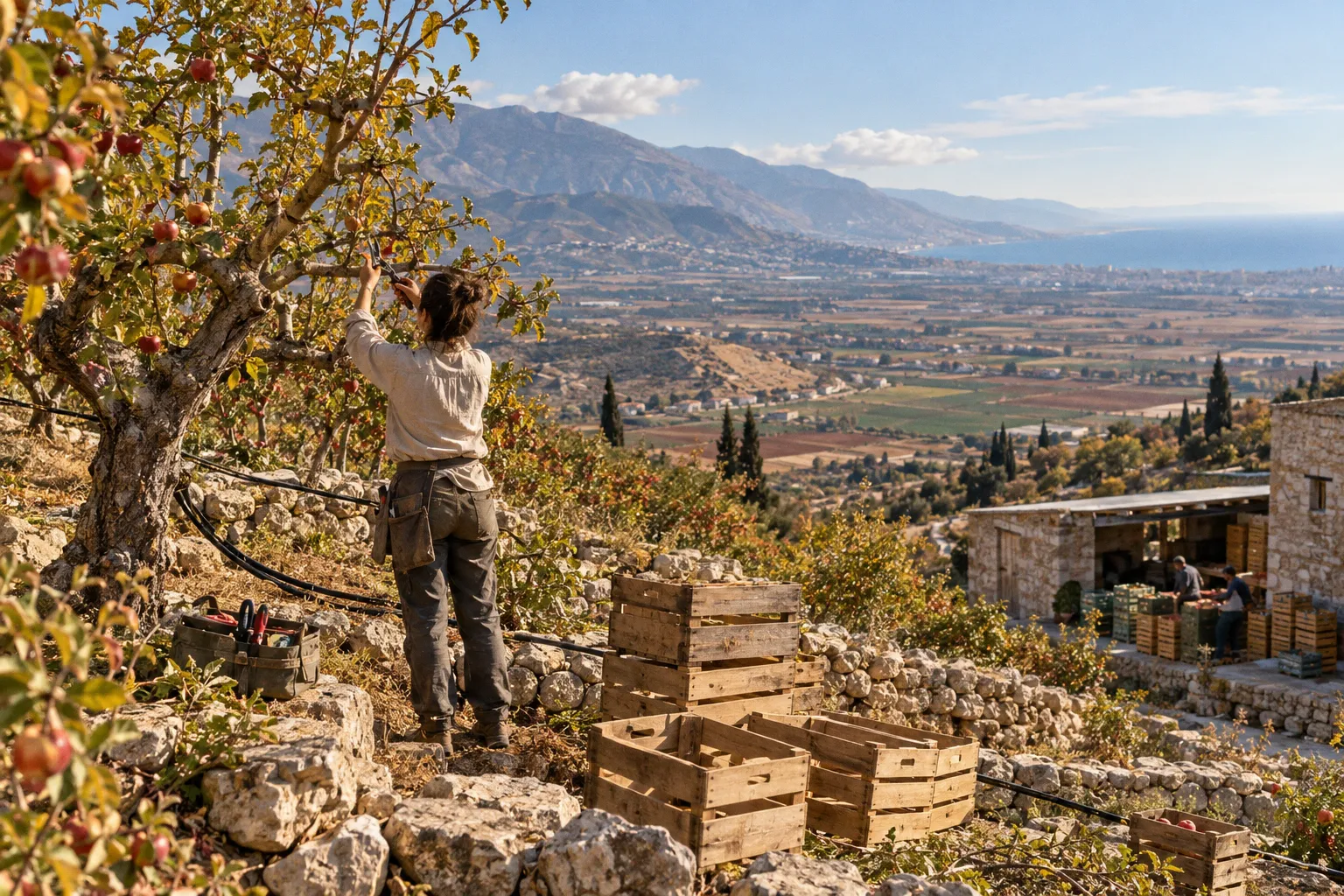
South Lebanon, the Beqaa, and Akkar are full of young people who already know what "a real problem" looks like: blemished apples that won't pass EU grading, a refrigerated truck older than the newest driver, a union ledger that doesn't yet speak the language of importer compliance. The #StillHereStillBuilding campaign gathered short videos from young women and men across the country sharing their motivations, their hopes, and the ways they are already contributing to their communities amid overlapping crises. That same pool is sitting inside — or one step away from — our cooperatives.
The question isn't whether the next generation has answers. It's whether the cooperative structure gives them room to try one without absorbing all the risk personally. Julia's framing — limited budget, three months, freedom to experiment — is essentially the design brief our internal pilot projects should already be following.
A practical starting point for the next export window
For cooperative leaders who want to channel this energy before the next shipment leaves the packing house:
- Name one real problem and hand it to a younger member — not as a task, but with a budget, a deadline, and explicit permission to fail. That's the SDG Brain Lab model in miniature.
- Pair that member with a mentor who knows the importer side of the relationship, so lessons learned at the port feed back into the field quickly.
- Treat the first cycle as a learning round, not a deliverable. Crisp reporting on what didn't work is more valuable than a quiet retry.
- Write up the results, including the blemishes. That document becomes the on-ramp for the next young grower, packer, or logistics hand who walks through the door.
The UN's framing through the voices of young Lebanese like Julia is simple, and so is the ask from our side of the chain: give the next generation the chance to try, then stay out of the way long enough for them to show what they can build with it.