Integrating AI into Lebanese Agricultural Cooperatives for Smarter Fresh Produce Value Chains
Across the NENA region, where our Lebanese cooperatives sit shoulder to shoulder with neighbors facing the same climate pressures, FAO convened policymakers, agritech innovators, and farmer…
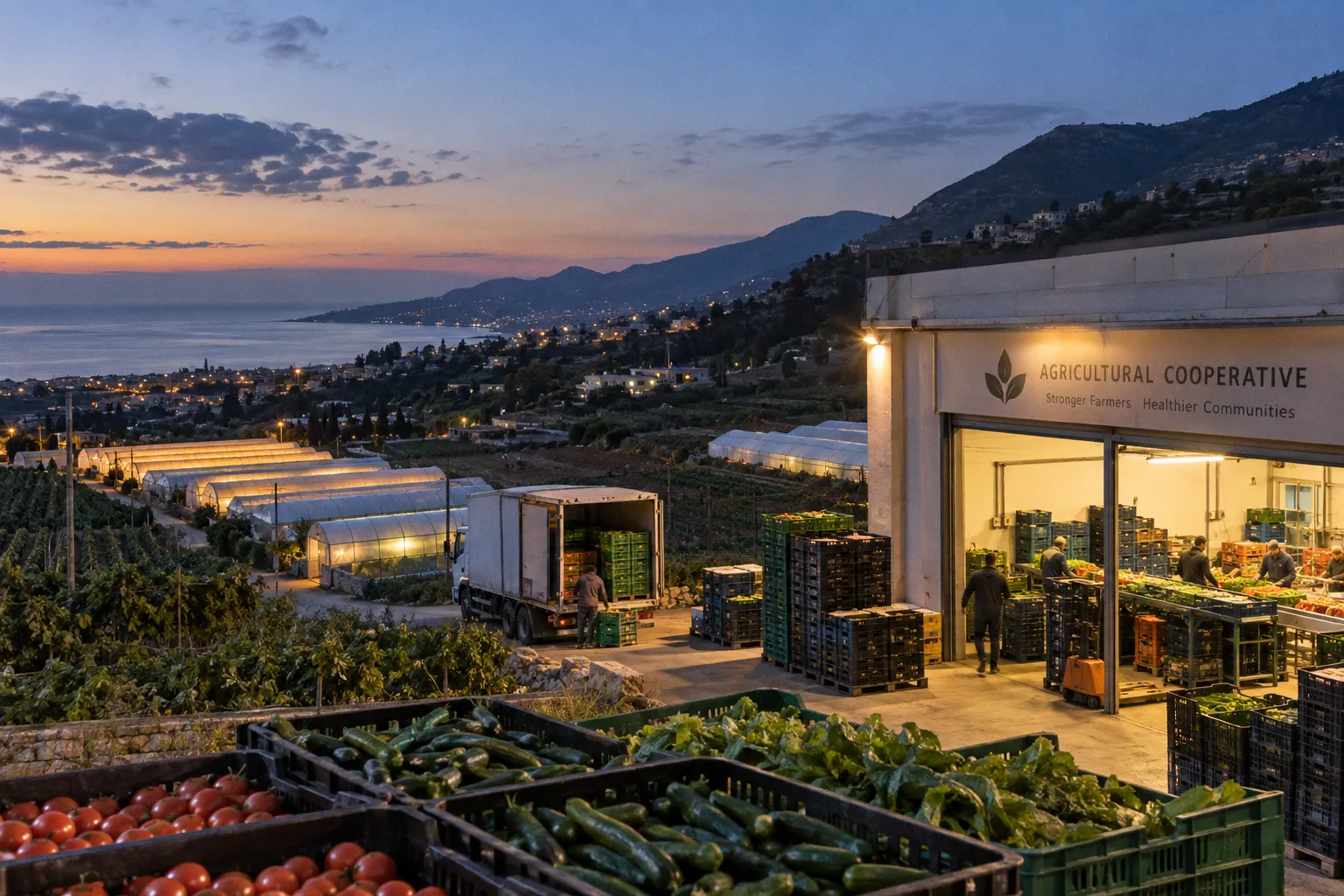
Across the NENA region, where our Lebanese cooperatives sit shoulder to shoulder with neighbors facing the same climate pressures, FAO convened policymakers, agritech innovators, and farmer organizations to advance practical applications of artificial intelligence in climate-smart agriculture and regional fresh produce value chains. For our growers, the timing matters: AI in this dialogue is not framed as distant machinery, but as a tool we can fold into the everyday work of grading apples, timing the harvest, and proving blemish-free quality to buyers who have more choices every season.
What the dialogue signals for our region
According to FAO, the conversation centered on climate-smart agriculture and the fresh produce chains that link our farms to wholesale markets. For Lebanese cooperatives, that framing is encouraging because it treats farmer organizations as co-authors of the solution, not as recipients of technology handed down from above. When our kind of groups are in the room, the resulting tools tend to respect the rhythms of smallholders: the harvest windows we cannot move, the labor we already have, the grading standards our EU buyers expect to see.
A second signal sits in the geography itself. NENA spans countries that compete with our pome fruit and stone fruit on the same supermarket shelves. If regional players begin using AI to forecast yields, flag early pest pressure, or trim post-harvest losses, the expectations placed on every exporter in the region will shift upward. Our cooperatives do not need to chase every tool, but we do need to know which questions AI can answer for us, and which ones it cannot.
What our cooperatives can do in the coming weeks
Treat the dialogue as an invitation, not a finish line. A few practical steps our grower groups can take now:
- Map one chain end to end. Pick one crop destined for export and trace every handoff from picking crate to cold truck to port. Where does information get lost? That gap is where AI could earn its keep.
- Name the decision you actually need. AI is useful when it answers a specific question: when to pick for best sugar content, which lot shows early bruise risk, how much of this week's harvest will clear export grade. Vague wishes produce vague tools.
- Ask your aggregator what they already track. Many of our partners record weight, temperature, and grade by hand. Digital capture of the same numbers is often the first, affordable step toward any future AI work, and it does not require new equipment.
- Watch for FAO follow-ups in NENA. Regional dialogues tend to produce working groups, pilot calls, and training opportunities. Make sure our cooperatives are first in line, not last.
Why this moment belongs to the collective
A parallel story from the Pacific offers a useful pattern. In Fiji, the Ministry of Agriculture signed a new collaboration with the New Zealand Institute for Bioeconomy Science Limited, channeling NZ$338,350 into climate-resilient farming, research trials, and farmer training, with the Sigatoka Research Station coordinating the work on the ground. The lesson for us is not the dollar figure; it is the shape of the arrangement. A named budget, a coordinating hub, and a willingness to blend scientific knowledge with local practice. We can borrow that pattern even when our budgets are smaller. Every cooperative that documents its harvest, trains its sorters to one shared standard, and shows up to regional conversations strengthens the voice our sector carries into the next FAO room.
The harvest we ship this autumn will be judged by buyers who are quietly watching how NENA producers adopt these tools. Let us arrive at that conversation prepared, together.