Leveraging Cooperative Networks to Modernize Agricultural Value Chains
According to the Circular Bio-based Europe Joint Undertaking (CBE JU), cooperative initiatives are being placed in the conversation about Europe’s agricultural future ahead of the informal AGRIFISH ministerial meeting.
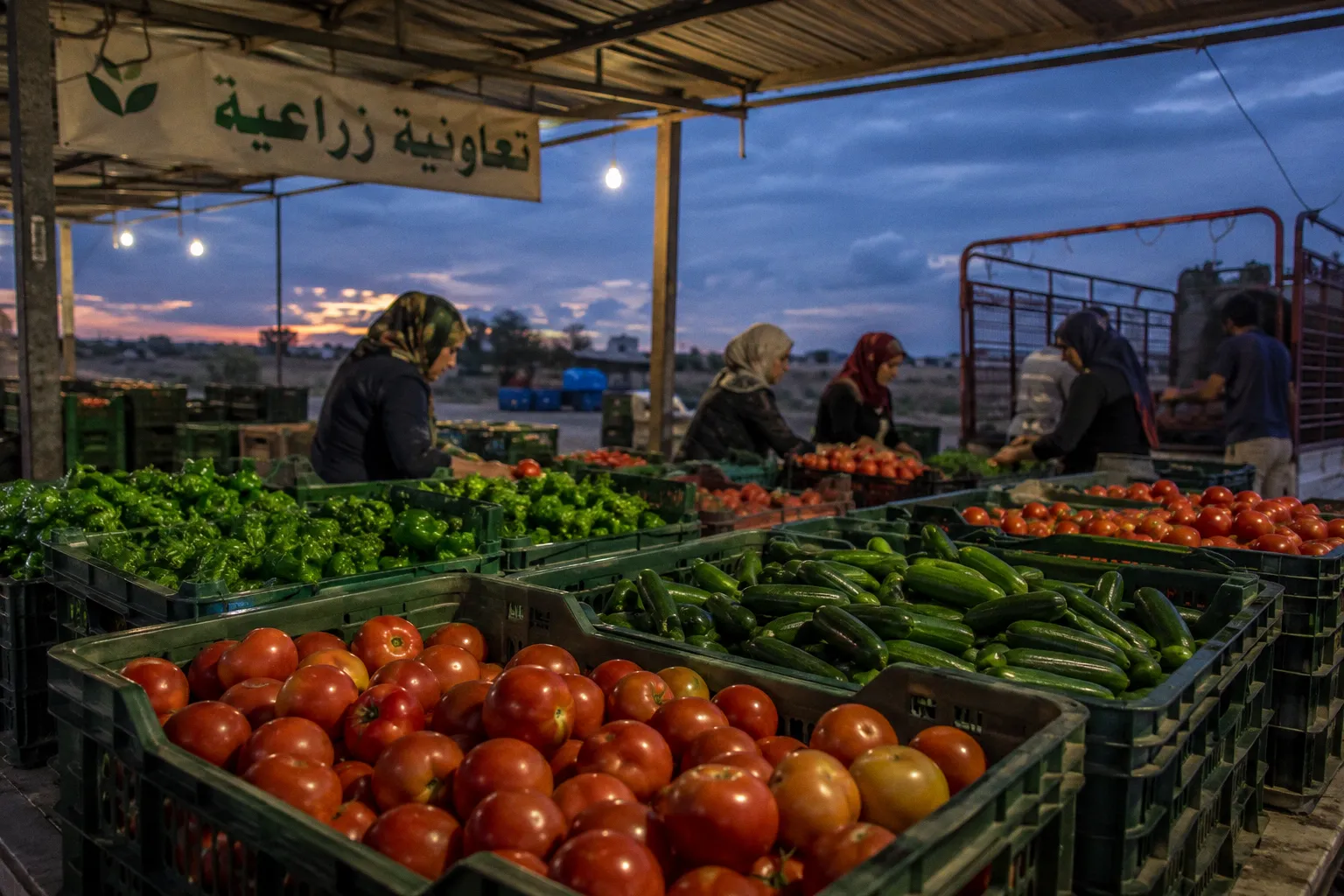
CBE JU highlighted BRILIAN and ROBOCOOP-EU, projects that use rural cooperative networks to develop circular, bio-based agri-food value chains. For Lebanese cooperatives looking toward export markets, the important signal is clear: cooperation is being treated not only as a social model, but as part of the infrastructure for changing how food is produced and moved through the market.
The cooperative network is becoming the innovation platform
The CBE JU announcement does not provide detailed figures, timelines, or performance results for BRILIAN and ROBOCOOP-EU. It does, however, identify the operating model: rural cooperatives are being used as networks through which circular and bio-based approaches can be developed.
That distinction matters. A cooperative is not simply a collection of individual growers selling under one name. It can also become the place where members coordinate production, share practical knowledge, organize resources, and test new ways to create value from agricultural materials. The projects named by CBE JU connect that collective structure with a broader European discussion on the future of agri-food systems.
For our growers, the lesson is less about copying a European project and more about examining what the cooperative already has in place. Do members make decisions together? Can the group coordinate supply across several farms? Is there a shared way to record harvest volumes, quality, and by-products? Without that foundation, even a promising circular initiative can remain an idea rather than a working chain.
What Lebanese cooperatives can examine now
The announcement offers no specific instruction for Lebanese producer groups, and it does not establish new market access or funding for Lebanon. Still, it gives cooperatives a useful framework for preparing their own discussions.
A practical first step is to map the full harvest pathway, from field to buyer. Alongside the crisp, blemish-free produce prepared for sale, groups can identify where losses, surplus, residues, packaging, or other materials appear. The purpose is not to assume that every by-product has immediate commercial value. It is to understand what the cooperative handles collectively and where a shared solution might be possible.
The second step is assigning responsibility. One group may track volumes, another may document quality, while the board or a designated working team speaks with potential processors, buyers, or technical partners. Clear roles make it easier to move from a general ambition—such as reducing waste or creating a bio-based product—to a small, testable activity.
The third is documentation. If a cooperative wants to participate in international conversations, it should be able to describe its growers, crops, seasonal supply, existing facilities, and current constraints in a consistent way. The CBE JU item does not say that BRILIAN or ROBOCOOP-EU require any particular documentation, but the emphasis on cooperative networks reinforces the value of organized, shared information.
A wider regional conversation is taking shape
The CBE JU item appears alongside other agricultural cooperative and rural-development headlines in the region. The available material mentions discussion of the performance and activities of the Bani Qais agricultural cooperative in Hajjah, a United Nations Development Programme item on the Bathraa initiative and rural women’s contribution to Syria’s recovery, and a Jordanian Agriculture Committee move concerning market fees and support for local farmers. These snippets do not provide enough detail to draw a common regional policy conclusion, but together they show how cooperative activity is being discussed through several lenses: local performance, rural participation, market conditions, and innovation.
That is a useful place for Lebanese cooperatives to begin—not with a promise that every European model will transfer neatly, but with a shared inventory of what our growers can do together. The next question to watch is whether initiatives such as BRILIAN and ROBOCOOP-EU produce concrete tools, partnerships, or operating models that rural producer groups can adapt. For now, the news places collective organization firmly on the agricultural innovation agenda.