Israeli Strikes on Nabatieh Cripple Southern Lebanon’s Agricultural Export Hub
When Israeli strikes tore through Nabatieh on Sunday, they didn't just take lives and wound neighbours—they hit the Agriculture Department building, the administrative nerve center that our southern…
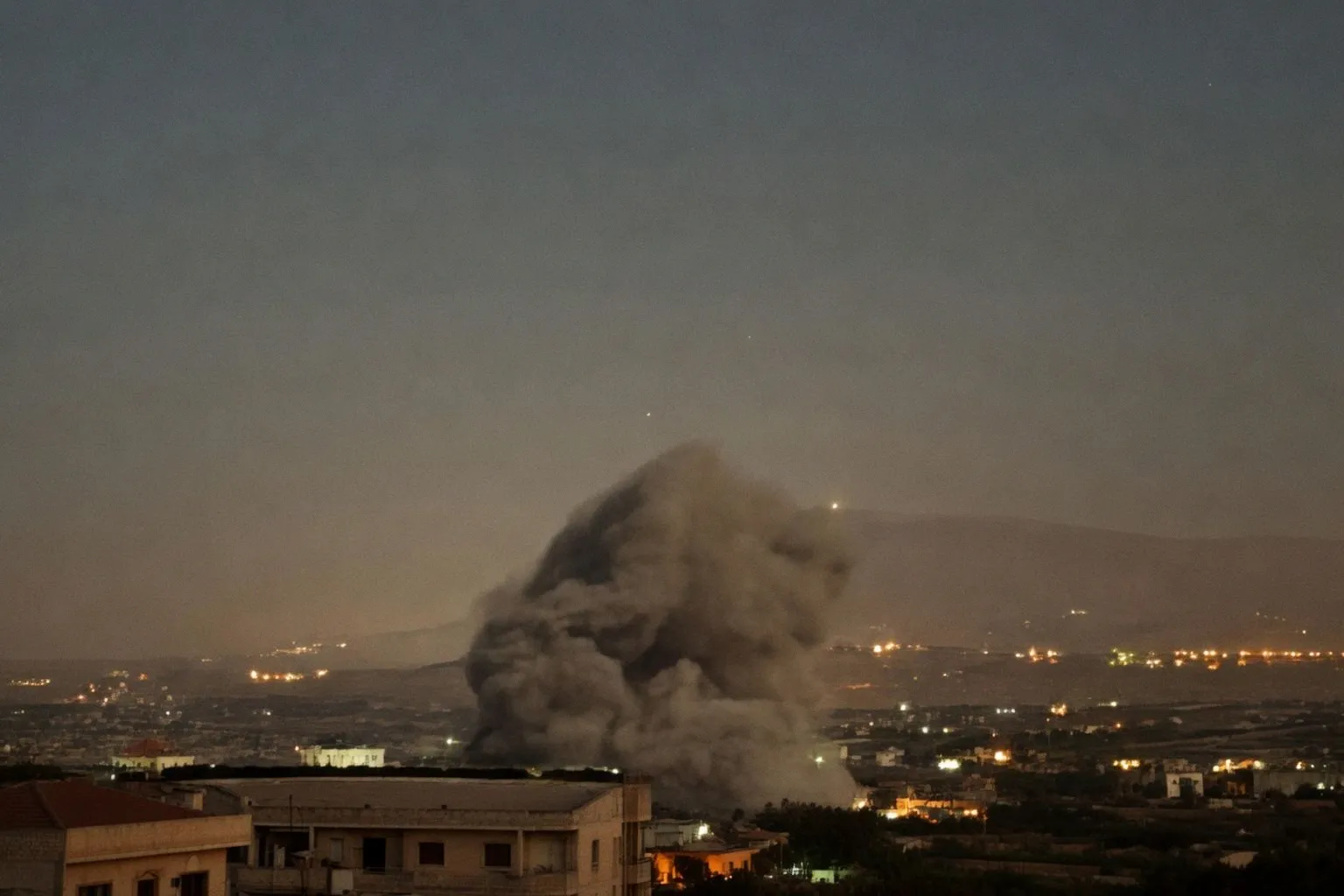
When Israeli strikes tore through Nabatieh on Sunday, they didn't just take lives and wound neighbours—they hit the Agriculture Department building, the administrative nerve center that our southern cooperative network depends on every single day.
According to Lebanon's Health Ministry, as cited by the National News Agency and reported by SANA, four people were killed and twenty injured in the barrage across Nabatieh, Nabatieh al-Fawqa, Arabsalim, and Kfar Rumman. The detail that should stop us in our tracks: alongside damage at Ghandour Hospital and a historic structure, the strikes caused extensive damage to the Regional Finance Department and, critically for our growers, the Agriculture Department offices. Dozens of shops and cafés near the blast sites were also destroyed. Israel's military has described the operations as a response to Hezbollah drone activity, while Lebanon's president has appealed to the United States to step in.
What the Agriculture Department loss means in practice
For our cooperatives and the farmers behind them, that building is not abstract paperwork. It is where export documentation for fresh produce is processed, where regional staff coordinate with international buyers on grading and compliance, and where the chain of trust between a Lebanese harvest and a foreign receiving warehouse actually begins. When those offices go dark, the entire southern export pipeline slows to a crawl—and that slowdown reaches cooperatives far from the strike zone, because certification chains converge in Nabatieh.
We have learned this lesson the hard way before. Disruption at administrative checkpoints costs growers shelf life, not just forms. A crate of crisp produce that cannot get its documentation cleared on time loses its window at the receiving dock abroad. The damage is invisible to the end consumer, but it is real income out of our growers' pockets—and right when we should be preparing for the autumn table-grape and citrus movement.
Where we go from here
The coming days will show how quickly the Agriculture Department can reroute its functions—whether to Beirut, to Sidon, or to a temporary field setup. Our cooperative leaders should be doing three things right now: confirming which staff are accounted for and which records are recoverable, pre-positioning harvest schedules with alternative documentation channels, and calling their export partners to set expectations on potential delays. The president's request for US mediation signals that diplomatic channels are active, and that will shape how long this disruption lingers.
We have weathered worse together, and the orchards will still need picking. Our job in the days ahead is simple and stubborn: keep the pipeline alive, one rerouted form, one confirmed shipment, one honest conversation at a time.