Southern Lebanon Conflict: Assessing Risks to Agricultural Supply Chains
According to Middle East Eye, citing reports from Lebanon’s National News Agency, Israeli forces reportedly fired phosphorus shells alongside air strikes and heavy artillery attacks across several…
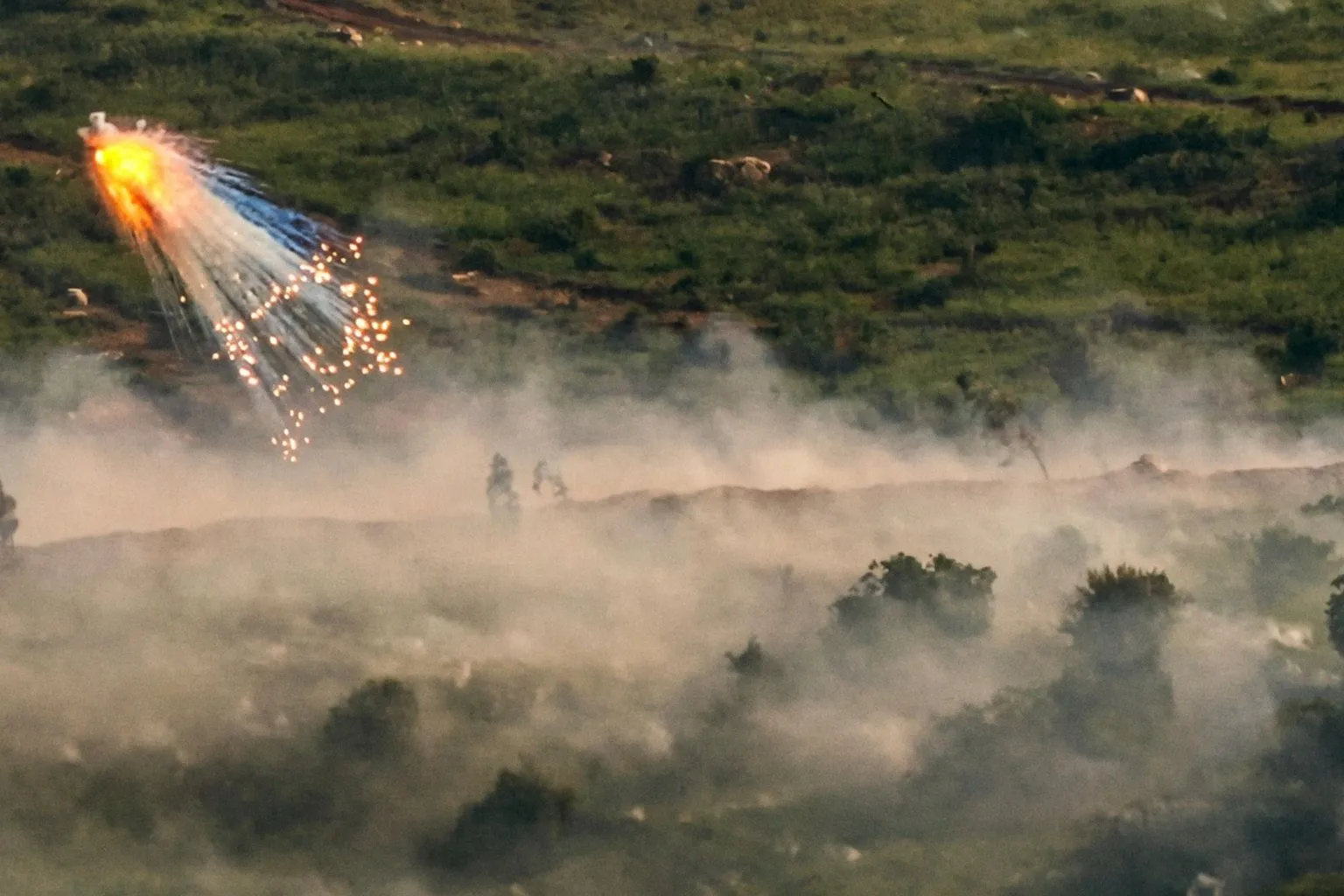
According to Middle East Eye, citing reports from Lebanon’s National News Agency, Israeli forces reportedly fired phosphorus shells alongside air strikes and heavy artillery attacks across several areas of southern Lebanon overnight and early Saturday. The reported strikes included Mansouri, Bayt al-Sayyad, Majdal Zoun and nearby areas, while additional explosions and drone activity were reported across southern villages. For our agricultural cooperatives, the immediate concern is not only the damage itself, but the uncertainty it creates around access, harvest handling, worker safety and the reliability of export commitments.
A disrupted harvest is also a disrupted network
The report describes extensive destruction to homes in Bayt al-Sayyad and attacks or explosions in Hadatha, Beit Yahoun and Aita al-Jabal. It also reports strikes and heavy shelling around Nabatieh al-Fawqa, Dawhat Kfar Remman, Dabsha hill and the wooded area of Ali al-Taher.
These locations are part of a living rural system: growers, collection points, roads, storage areas, local buyers and transport routes. When attacks affect villages and surrounding land, even farms that are not directly hit may face delays, damaged access routes or an inability to move crisp, market-ready produce safely and on time.
That is why cooperative planning matters now more than ever. No single grower can restore a supply chain alone, but a cooperative can maintain a shared picture of which fields remain reachable, which roads are open and where produce can be consolidated without creating additional risk.
What cooperatives should verify first
The report attributes the details to Lebanon’s National News Agency, so local groups should treat the account as a serious but developing report and confirm conditions through trusted local channels before making operational decisions.
A practical first check is the status of each collection area:
- Which farms can be reached safely by growers and harvest crews?
- Are normal routes to packing or storage points still usable?
- Can produce be moved without exposing workers or drivers to unnecessary danger?
- Which deliveries should be paused, consolidated or redirected?
- Are buyers being informed early enough to adjust quantities and timing?
Cooperatives should keep these checks in one shared record rather than relying on scattered messages. A simple table can track the grower, village, crop, expected volume, access status, collection point and latest confirmation. The goal is not administrative polish; it is to prevent one uncertain road or unavailable packing site from affecting the whole group.
Any documentation of damage should be made only when conditions are safe. Where possible, records can include the affected location, date of observation, visible damage to homes or agricultural infrastructure, and interruptions to transport or storage. These records may help cooperatives communicate clearly with buyers and local institutions, but they should not be treated as a substitute for independent verification.
Protecting trust with buyers
For fresh produce, silence creates as much difficulty as delay. If a cooperative cannot confirm a harvest window or delivery route, it is better to communicate that uncertainty plainly than to promise a blemish-free shipment that may not be possible.
Buyers can be updated with three simple categories: confirmed volume, volume under review and unavailable volume. This keeps the conversation practical while giving growers room to reassess conditions. It also protects the cooperative’s reputation for reliability, even when the circumstances are outside its control.
The reported use of phosphorus munitions adds a serious safety dimension. Middle East Eye’s account notes previous warnings from rights groups about white phosphorus use in southern Lebanon and describes the risks associated with exposure. Cooperatives should therefore place worker safety and local guidance ahead of harvest schedules, transport targets or export pressure.
Our strength in difficult seasons is shared visibility: growers checking in with growers, collection teams coordinating with transporters and buyers receiving honest updates. The immediate situation remains fluid, but a cooperative that documents carefully, communicates early and refuses to put people at unnecessary risk is better placed to preserve both its harvest and the trust behind it.