Navigating Agricultural Supply Chain Risks Amid Lebanon’s Escalating Security Crisis
According to Demócrata, about 4,350 people have died in Lebanon since the Israeli offensive began in March.
The report arrives alongside a Daily Beirut headline saying that Salam condemned an Israeli escalation in South Lebanon. For our agricultural cooperatives, this is not a story to read as a distant political update: it is a reminder that every harvest plan depends on a wider environment whose stability cannot be taken for granted.
Why this matters for cooperative planning
The available reporting is limited to source headlines, so the figure should be handled carefully rather than expanded with details we cannot verify. Still, the number places the human cost of the conflict at the centre of any conversation about Lebanon’s agricultural export pipeline.
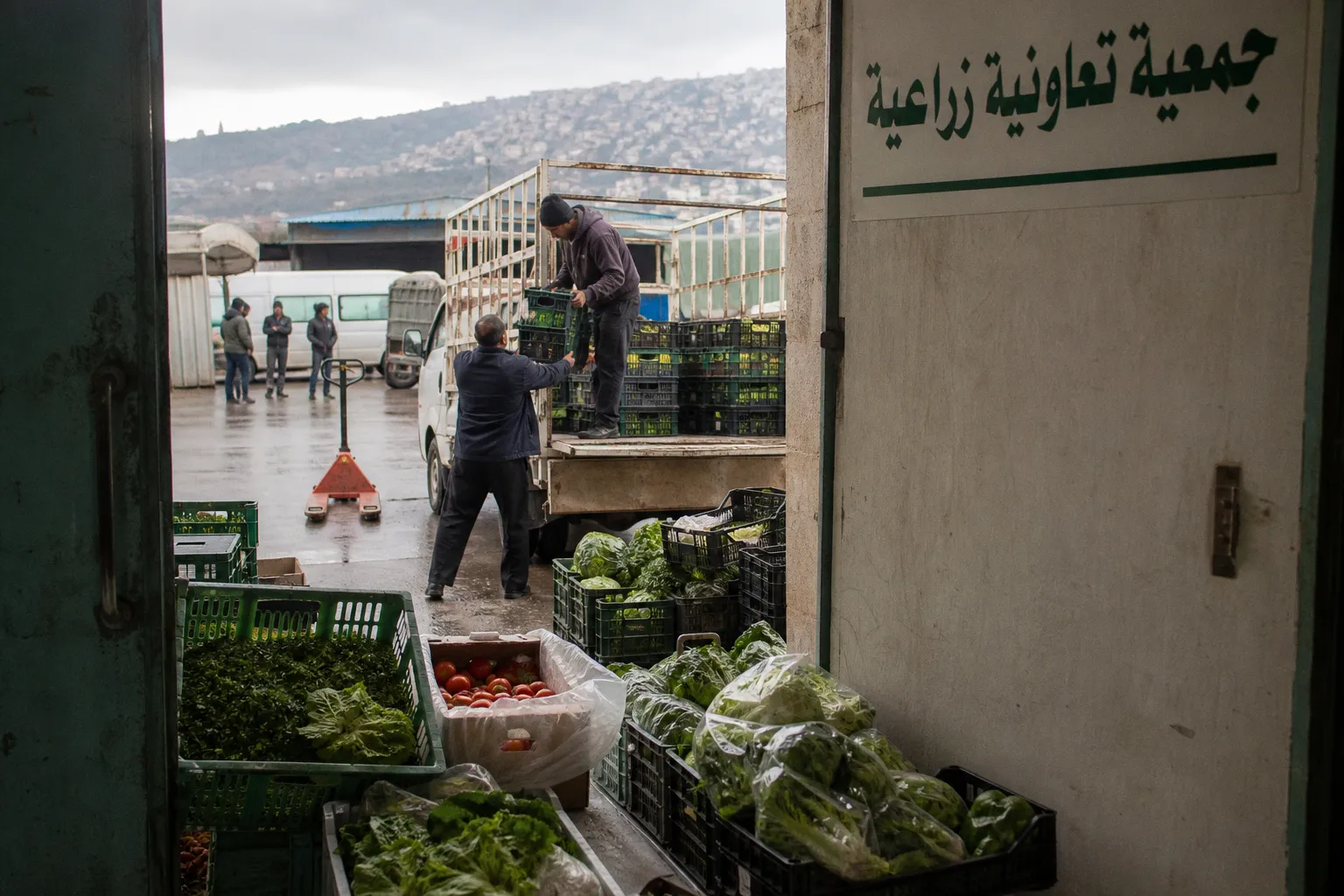
When our growers are preparing crisp produce for demanding markets, the work usually depends on coordination: shared collection points, consistent grading, reliable transport and clear communication between farms and buyers. A worsening security situation can make each of those links harder to assess. That does not tell us what has happened at any particular farm or route, but it does make verification more important before a cooperative commits to volumes, delivery windows or market promises.
The practical response is not to guess. It is to keep our planning flexible and our records current.
What cooperatives should verify
Before confirming an export schedule, cooperative teams can review the information they already control:
- Which growers are currently able to harvest and deliver?
- Which collection points remain usable?
- Can expected volumes still be sorted into the agreed size and quality categories?
- Are transport arrangements confirmed, rather than simply carried forward from an earlier plan?
- Does every buyer have an up-to-date contact for changes or delays?
These checks are modest, but they protect the collective effort. A blemish-free crate is only useful to a buyer if the cooperative can also provide a dependable handover. Where conditions are changing, shared updates help prevent one farm’s assumption from becoming the whole group’s commitment.
A cautious signal, not a complete picture
Demócrata’s report and Daily Beirut’s account point to an escalation that deserves close attention, but neither available snippet provides the detail needed to map its effect on farms, roads, markets or individual communities. We should therefore separate what is confirmed from what still needs checking: the reported death toll, the reported condemnation, and the operational facts that each cooperative must verify locally.
For our growers, resilience will come from staying connected rather than planning in isolation. Keep the harvest ledger open, confirm responsibilities across the group, and make the next shipment only as firm as the information behind it. In difficult conditions, cooperative discipline is not paperwork around the harvest; it is part of how we protect its value.