Lebanon’s Displacement Crisis: Why Agricultural Recovery Remains Fragile
As Demócrata reports, the agency is urging attention to the conditions those returnees are coming back into—damaged housing, broken services, and livelihoods still waiting to be rebuilt.
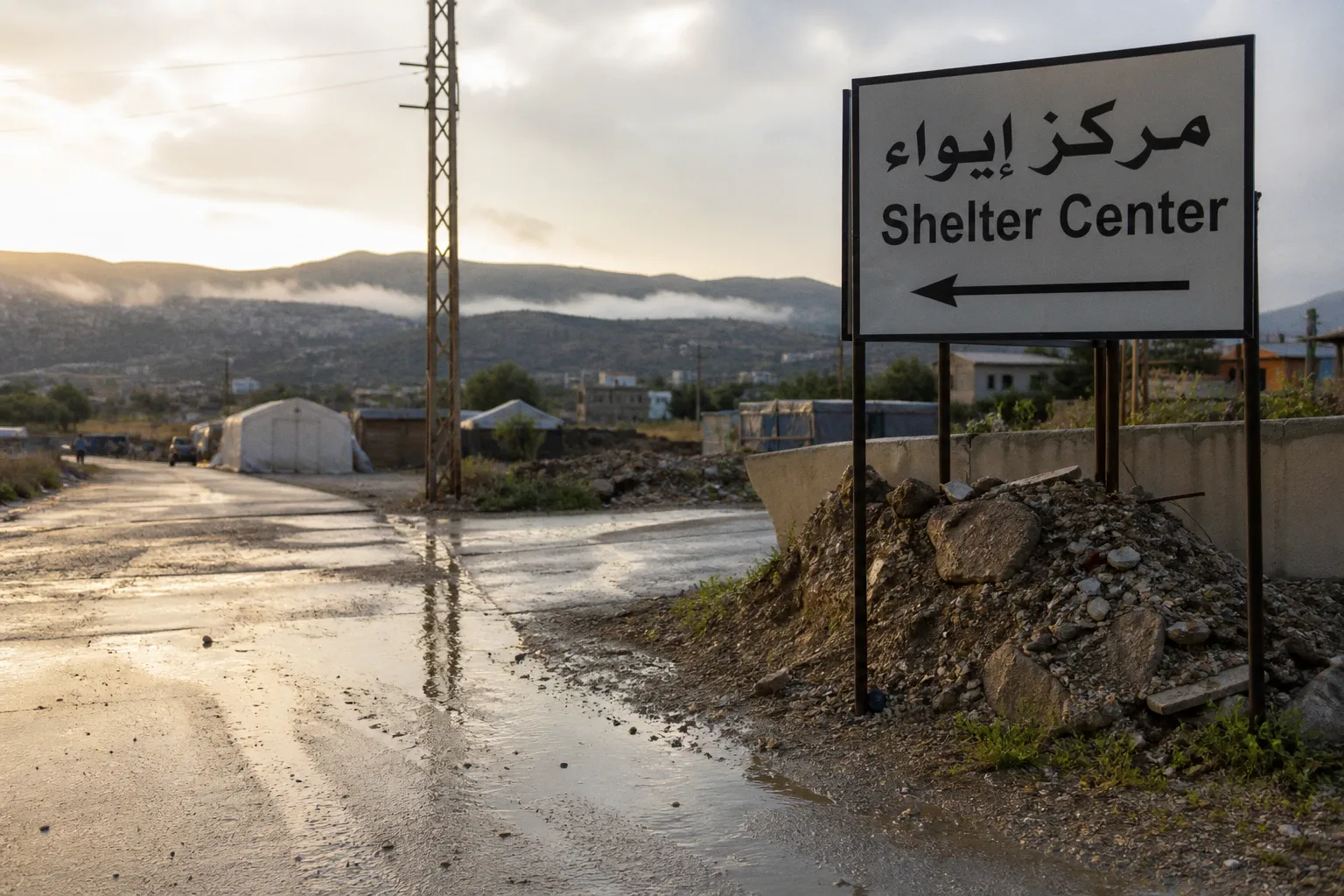
UNHCR's latest warning lands close to home for every cooperative we work with: even with more than 850,000 people returning to their communities across Lebanon, the displacement crisis is far from over. As Demócrata reports, the agency is urging attention to the conditions those returnees are coming back into—damaged housing, broken services, and livelihoods still waiting to be rebuilt. For our grower networks, that headline reads less like international diplomacy and more like the picking roster we are trying to finalize this week.
What the numbers quietly tell our packing houses
Behind every figure UNHCR cites sits a village orchard or a terraced field whose tending calendar has been interrupted. Displacement thins the seasonal labor pool our cooperatives depend on for thinning, harvest, sorting, and cold-chain handling. When a community loses working-age members, the remaining growers absorb the gap—and the standards we have built our export reputation on, the crisp apples, the unblemished stone fruit, the uniform carton weights, begin to feel the strain.
What it means for the export pipeline
Our collective commitments to international buyers do not pause for slow recovery. Wholesalers and retail partners track continuity of supply with the same rigor they track MRL compliance and phytosanitary paperwork. A cooperative that cannot guarantee consistent weekly volumes through peak harvest risks losing shelf space that took seasons to earn. The humanitarian story and the commercial one are braided together: labor availability shapes what we can promise, and what we can promise shapes our standing in the market.
Where our cooperative framework earns its keep
This is exactly the moment a cooperative model proves its value. A few steps worth walking through together:
- Map the labor gap village by village. Before harvest scheduling begins, each member community should document who has returned, who is still away, and which tasks are understaffed. We cannot plan around what we have not measured.
- Pool crews across cooperatives rather than competing for them. Neighboring grower groups can stagger harvest windows so picking hands are not pulled in three directions at once. Coordination beats competition.
- Talk to buyers early and honestly. A short, factual note to existing partners—explaining timing risks and mitigation steps—protects relationships far more than a missed shipment does.
- Document recovery on the ground. Field-level notes on what returnees are actually finding help cooperatives plan next season's inputs, training, and collective purchasing with eyes open, not assumptions closed.
The road back to full harvest capacity runs through the same collective habits that built our reputation in the first place: shared information, shared labor, and shared accountability. UNHCR's warning is a reminder that recovery is work we do shoulder to shoulder, not something we wait to arrive.