Escalating Conflict in Southern Lebanon Threatens Agricultural Infrastructure and Cooperative Stability
When we think about protecting our growers and the cooperative networks that sustain them, it's easy to focus on market access, cold-chain logistics, or export certifications.
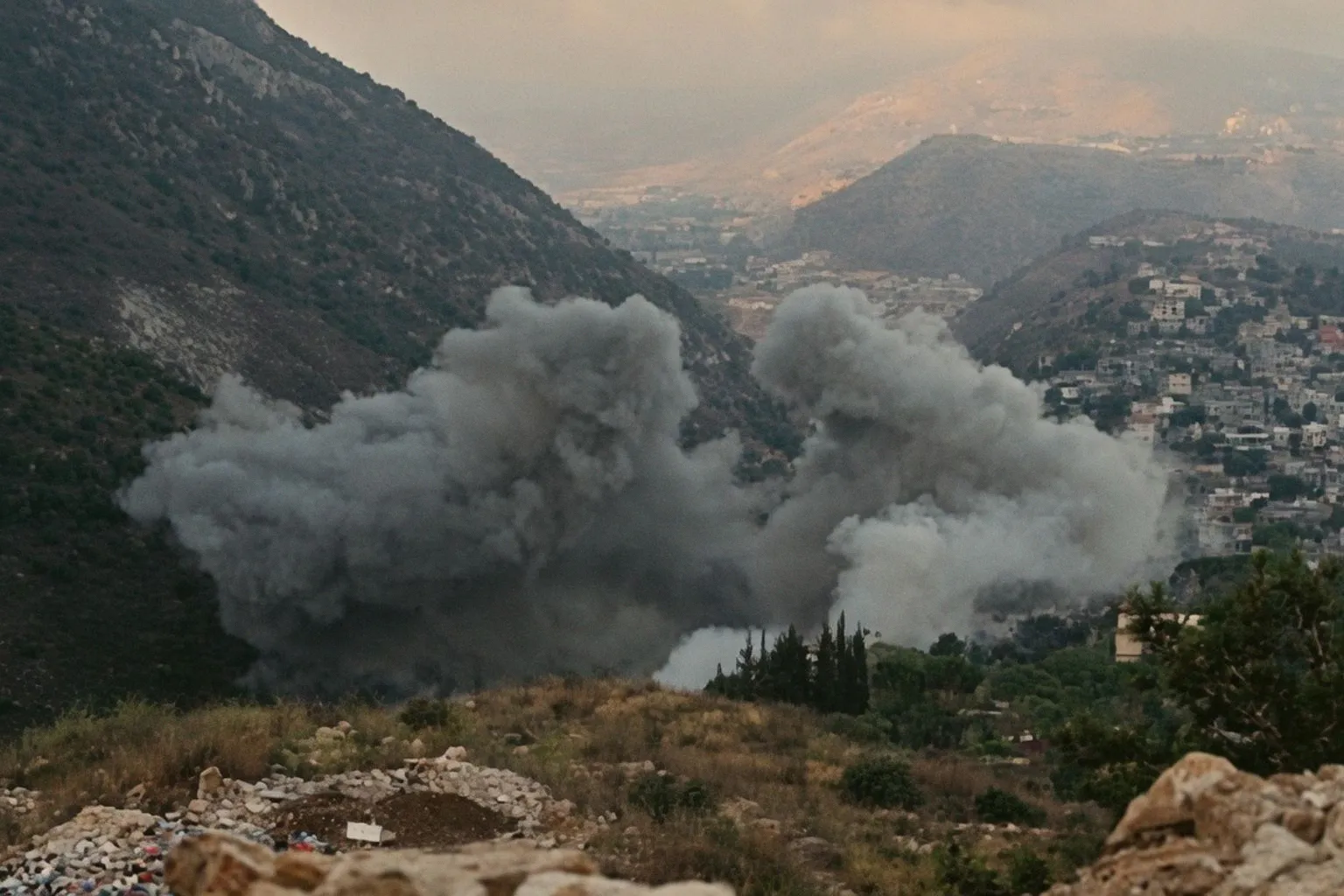
But what happens when the infrastructure itself — the very buildings where agriculture ministries coordinate support, where cooperatives register shipments, where the nuts and bolts of collective work get done — comes under fire? That's the stark reality unfolding in Nabatieh right now, and every farmer and cooperative leader across southern Lebanon is feeling it.
According to multiple international outlets, Israeli airstrikes hit the southern Lebanese districts of Nabatieh al-Fawqa and Arab Salim on September 6th, killing at least four people — including two women — and injuring around twenty others, among them children. Lebanese authorities confirmed the destruction of the non-operational Gandour Hospital in Nabatieh al-Fawqa and significant damage to historic government offices in downtown Nabatieh, including buildings housing both the finance and agriculture authorities. The Israeli military stated the strikes were a response to a Hezbollah drone attack, claiming the hospital had been used as a command center. Lebanon's President Joseph Aoun described the escalation as a dangerous violation of the existing ceasefire and called on the United States and the international community to intervene urgently.
When Agriculture Offices Become Casualties
What hits closest to home for those of us working in the cooperative sector is that these weren't abstract targets. The buildings damaged in downtown Nabatieh housed the very institutions that register cooperatives, process export documentation, and coordinate distribution — the invisible backbone that lets our growers move their harvest from southern groves to Beirut warehouses and onward to port. According to reporting from Seoul-based news agency SBS, this marks the second time these particular finance and agriculture authority buildings have sustained airstrike damage. Each hit doesn't just destroy walls; it disrupts the systems that cooperatives depend on to function, sometimes for weeks or months while records are reconstructed and staff are relocated.
For a cooperative trying to meet a shipping deadline or navigate phytosanitary paperwork, that kind of disruption cascades. Our growers know: when the paperwork stalls, the produce doesn't wait. Crisp yields that should be cooling in transit sit instead in village storerooms, losing the window of freshness that export markets demand.
The Ceasefire That Isn't Holding
Despite a broad ceasefire framework reached under US mediation in June, Israeli military operations have continued within a self-declared security zone stretching roughly ten kilometres into southern Lebanon. The Nabatieh mayor, Abbas Fahreddin, urged the Lebanese government to "at least defend state institutions," underscoring a painful gap between diplomatic agreements and what's actually happening on the ground. For our agricultural communities — many of whom farm land within or near that zone — the instability isn't theoretical. It determines whether a family harvests its olive groves this season or walks away from fields their grandparents cultivated.
The broader toll is staggering: since Hezbollah entered the wider conflict last March, more than 4,300 people have been killed in Lebanon according to the reporting we've reviewed. Behind that number are farming households, cooperative members, and the seasonal workers who make our export pipeline possible.
What Our Cooperative Community Can Watch and Do
First, cooperatives operating in or sourcing from the Nabatieh and Bint Jbeil corridors should confirm that their local ministry contacts and registration offices are still functioning. If you rely on Nabatieh-based authorities for export permits or quality certifications, start building a parallel line to Beirut-based directorates now — don't wait for the next disruption.
Second, this is a moment to strengthen our collective redundancy. We've seen it before in difficult seasons: when one cooperative's logistics route becomes untenable, another steps in to share cold storage or consolidate shipments. That mutual support isn't charity — it's the architecture that keeps all of us moving. If your cooperative has capacity, reach out to groups closer to the affected areas and ask what they need. Sometimes it's a shared vehicle; sometimes it's just someone to help refile paperwork.
And finally, stay connected to what's unfolding. The situation remains fluid, and the difference between a cooperative that recovers quickly and one that loses a season often comes down to how early the community mobilizes. We'll keep tracking developments as they affect our growers and the networks that sustain them — because when one part of the pipeline is shaken, we all feel it.