Beyond Security: How State Recovery Efforts Shape South Lebanon’s Agricultural Future
According to ASHARQ AL-AWSAT English, the return of the Lebanese state to South Lebanon is being framed as extending beyond security to public services and recovery.
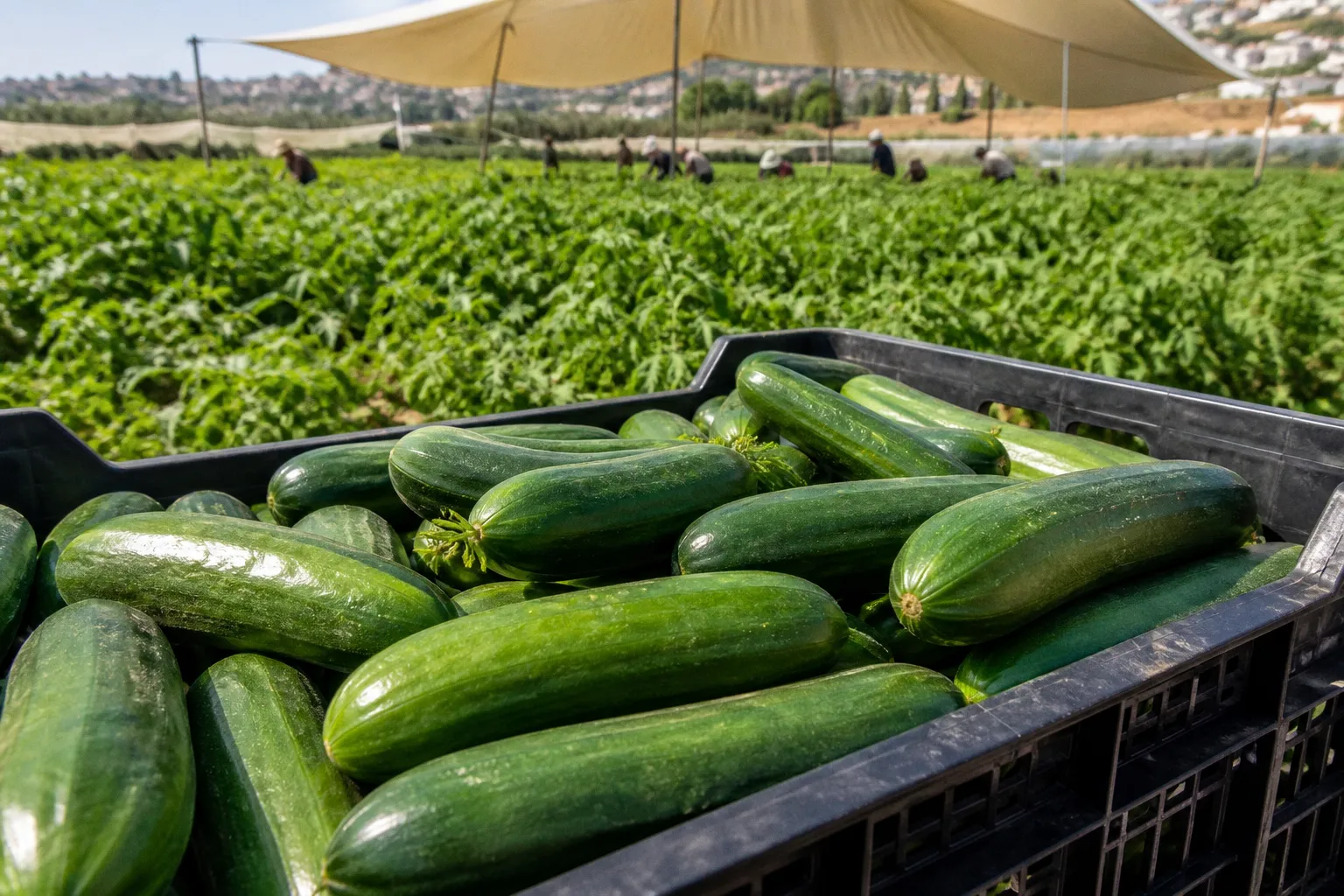
For our agricultural cooperatives, that distinction matters: a harvest reaches a global buyer only when the wider operating environment is dependable enough for growers, collection points, transport, and market coordination to work together. The report offers no further confirmed detail, so the practical task now is to watch what “services” and “recovery” mean on the ground.
A wider definition of return
Security is only one part of the conditions our growers need. Fresh produce also depends on the everyday systems around a cooperative: the ability to organize work, move produce, maintain quality, and plan with some confidence. The source’s headline points to a state presence measured not only by security arrangements, but also by services and recovery.
That is an important lens for South Lebanon’s agricultural communities. A cooperative cannot standardize crisp, blemish-free produce for demanding markets through farm effort alone. Shared infrastructure and functioning public support shape whether a good yield can be gathered, protected, and connected to buyers without avoidable disruption.
At this stage, however, we should not fill in the gaps ourselves. The available evidence does not confirm which services are involved, what recovery measures have begun, or how agricultural operations may be affected. Those details need to come from fuller reporting or direct local confirmation.
What cooperatives can check first
Our groups can turn this broad news into a practical monitoring list without treating expectations as established facts. Cooperative leaders should compare notes on whether the reported return is producing clearer, more reliable conditions for collective work.
The first question is coordination: are local growers receiving consistent information about the services and recovery process? A cooperative can assign one person to gather updates, another to record disruptions affecting harvest or collection, and another to keep members aligned. This is simple organizational work, but it prevents each grower from carrying uncertainty alone.
The second question is continuity. If services are being restored or expanded, cooperatives will need to observe whether that change is steady enough to support planning rather than a brief improvement. A shared log of dates, interruptions, affected locations, and operational consequences can help the group distinguish a real pattern from a single report.
The third question is market readiness. International buyers look for consistency, and our cooperatives need the same consistency in their own preparation. Before promising volumes or delivery schedules, groups should verify what they can actually collect, grade, store, and move under current conditions. It is better to present a clear, collective position than to let individual assumptions create mismatched expectations.
The recovery question for our supply chain
The significance of this report will ultimately depend on whether the broader return of state services creates room for agricultural cooperation to become more predictable. That cannot be concluded from the headline alone, but it is the point our sector should keep in view.
For South Lebanon’s growers, recovery is not an abstract label. It becomes meaningful when communities can organize around shared responsibilities, protect quality after harvest, and make careful commitments to buyers beyond the local market. Those steps require patience: first confirming what has changed, then documenting what remains difficult, and finally building a common plan around verified conditions.
For now, the responsible reading is measured rather than celebratory. ASHARQ AL-AWSAT English identifies a shift in emphasis from security alone toward services and recovery; the agricultural implications remain to be established. Our cooperatives can prepare by staying connected, recording conditions collectively, and waiting for confirmed detail before turning a headline into a shipment plan.