Navigating Global Food Price Volatility for Lebanese Agricultural Exports
The FAO Food Price Index just clocked 133.3 points for August 2026 — a 1.9% jump month-on-month, and weather-driven supply risks are doing the pushing.
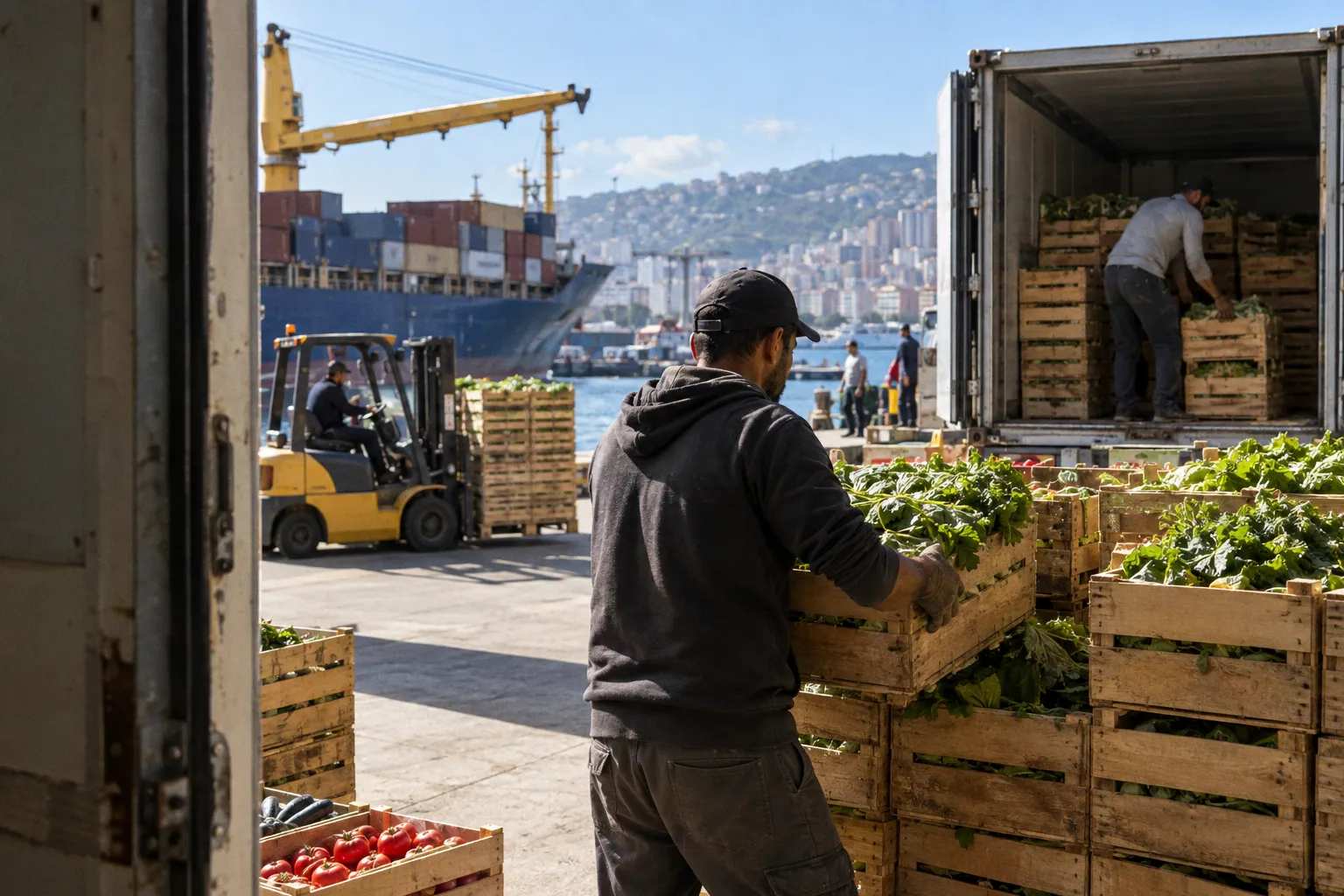
For Lebanese cooperatives shipping fresh produce, that number is your early warning: upstream volatility at the global commodity level flows downhill into contract renegotiations, freight surcharges, and tightened buyer specs. The index didn't spike on demand optimism — it moved because harvests in major baskets got compromised. If your cooperative depends on those same commodity signals for freight pricing, packaging inputs, or competitor benchmarking, recalibrate now.
What the Index Is Actually Telling You
- The move is supply-side, not demand-driven. Weather disruptions hit production and trade lanes — meaning tighter availability, not just higher prices.
- A 1.9% monthly rise on a base of 133.3 points is a directional signal, not a panic number. Watch the next two prints before hedging aggressively.
- Separate reporting attributes pressure on global food prices to compounding factors including conflict and climate stress — the volatility is structural, not a one-month blip.
Operational Impact on Lebanese Export Pipelines
Here's where this lands in your warehouse:
- Cold chain inputs. If you run reefer logistics, diesel, refrigerant, and packaging material costs track global energy and commodity moves. Build a 5–8% buffer into Q4 freight quotes.
- Phytosanitary window pressure. Weather-disrupted competitor origins often trigger emergency import notifications in EU and Gulf destinations. Check your buyer's portal weekly — new inspection requirements show up with little lead time.
- Contract clauses. Force majeure and weather-event triggers in your buyer agreements need a legal pass right now. Generic language won't cover a phytosanitary emergency declaration.
- Transit windows. When competing origins lose volume, buyers pivot fast. Your transit reliability becomes the differentiator — not price. A 48-hour early arrival beats a 3% discount.
Compliance Checklist — Run This Week
- Lock Q4 freight rates with two reefer carriers; do not rely on spot.
- Audit phytosanitary certificates against current EU/Gulf import requirements.
- Review force majeure language in all active export contracts.
- Confirm cold chain temperature logs for the last 30 days — buyers will ask.
- Map your top three SKUs against the FAO sub-indicators (cereals, dairy, meat, sugar, oils) to spot substitution risk on the buyer side.
The index is climbing because supply is fragile. Your edge is reliability — make sure your paperwork, transit times, and cold chain data prove it before a buyer asks.