Navigating Global Food Price Volatility: Strategic Steps for Lebanese Cooperatives
Food and Agriculture Organization reported on Friday that world food prices reached their highest level since late 2022, climbing across cereals, vegetable oils, sugar, meat, and dairy in August.
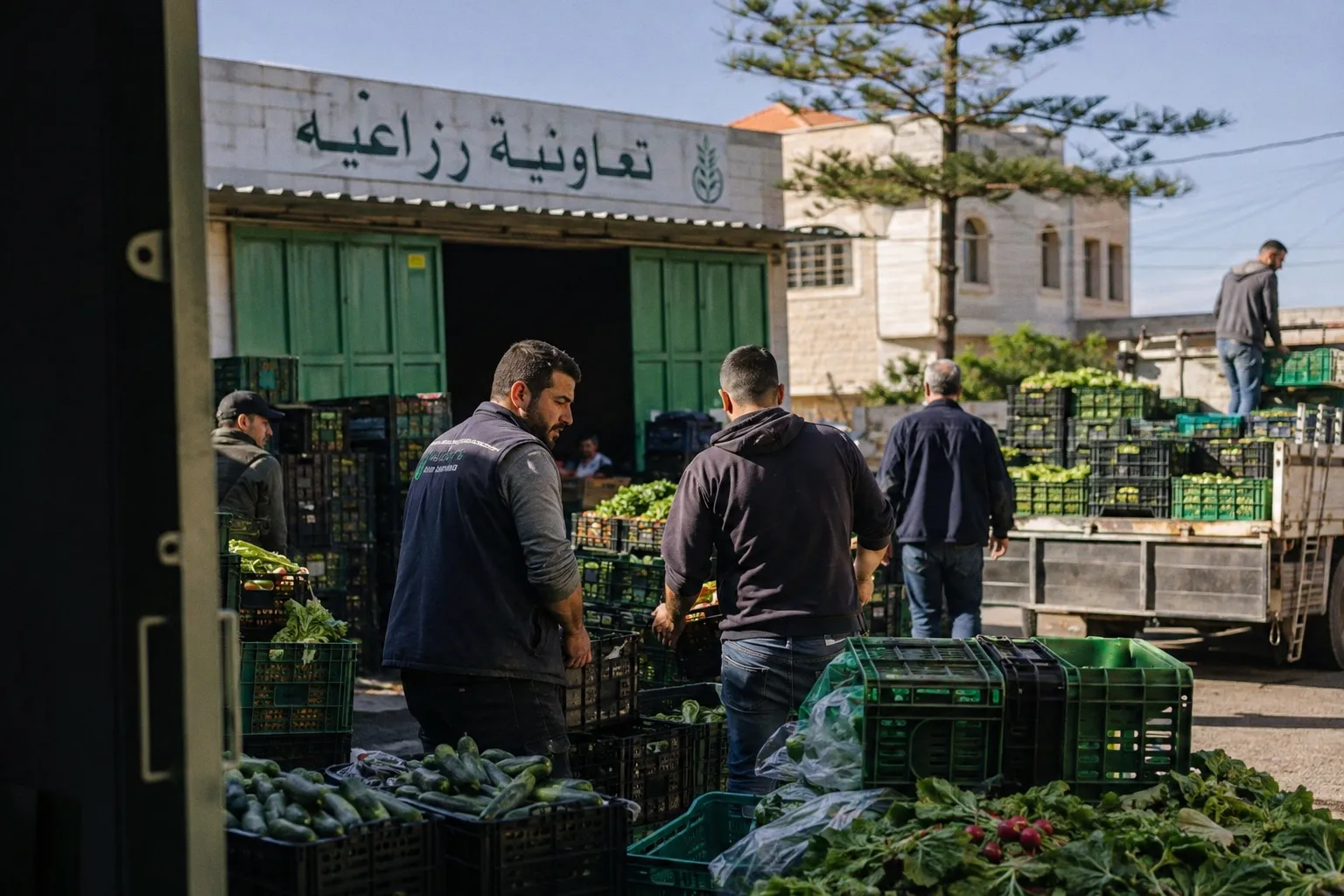
For our cooperatives watching the international benchmarks, the signal cuts both ways: global risk premiums are returning, driven by extreme heat and drought in Europe, an anticipated El Niño pattern, attacks disrupting Black Sea grain shipments, and fertilizer flows strained by the U.S.–Iran conflict. When the wider market tightens, the space our growers operate in shifts in real time, and preparation matters more than ever.
What the index is telling us
The FAO Food Price Index rose from a revised 130.8 in July to 133.3 in August, still roughly 17% below the March 2022 record but unmistakably trending upward. FAO's chief economist Maximo Torero pointed to the convergence of climate shocks, geopolitical tensions, and disrupted trade logistics as the forces tightening supply expectations, a warning worth weighing for any cooperative mapping out its export calendar.
Beyond the headline figure, the agency trimmed its 2026 global cereal production forecast by 3.4 million metric tons to 2.980 billion tons, now about 2.0% below 2025, though still the second-largest harvest on record. Even a strong harvest can stumble on logistics, and that's where our community holds the most ground to gain or lose.
Where our cooperative effort meets the moment
We cannot move the weather or quiet the shipping lanes, but we can sharpen the parts of our pipeline we hold. A few worth focusing on this season:
- Lock in logistics early. When Black Sea routes tighten and freight competition rises, the cooperatives that book transport and cold-chain capacity weeks ahead tend to hold their margins.
- Diversify buyer relationships. With grain and sugar benchmarks climbing, importers across the Gulf and Europe are recalibrating. Reaching out to two or three new buyers before the next index print spreads our risk.
- Track input costs together. Fertilizer flows remain strained, so pooling purchase orders through the cooperative rather than buying solo at retail spikes protects our growers.
- Document quality rigorously. As global supply tightens, blemish-free, properly sized, EU-compliant lots earn stronger premiums, and traceability paperwork is what separates a premium sale from a commodity dump.
The road ahead calls for the kind of collective discipline that has always defined our movement. World prices will keep moving on weather windows and conflict headlines we don't control, but the integrity of our harvest, the reliability of our logistics, and the strength of our cooperative bonds are entirely ours to protect. Let's use this moment to tighten what we can and position our growers for the next market opening.