Global Food Price Trends: What Rising Indices Mean for Lebanese Agricultural Exports
As reported by the UN's Food and Agriculture Organization, the benchmark FAO Food Price Index edged up to 131.1 points in July 2026 — a modest 0.6 percent climb from June, but one percent above where we sat a year ago.
The drivers were familiar to anyone who has watched a thermometer this summer: heatwaves across key growing regions, firmer energy markets, and the persistent weight of geopolitical tensions. For Lebanese cooperatives shipping fresh produce into regional and overseas markets, what matters isn't the headline — it's the shape underneath it, and a few specific lines that deserve our collective attention.
Where the pressure is building
The vegetable oil index climbed two percent in July, reaching its highest level since June 2022. Palm oil led the way on firm Indonesian biodiesel demand and rising crude prices, and soy oil followed on robust feedstock buying in the United States. Sunflower and rapeseed softened, but the overall trajectory still tilts upward. For our olive growers — and for any cooperative with a stake in the broader oils category — this is the signal worth watching: global vegetable oils are firming into the back half of the year, and Lebanon's extra-virgin position becomes more competitive every month the index keeps rising.
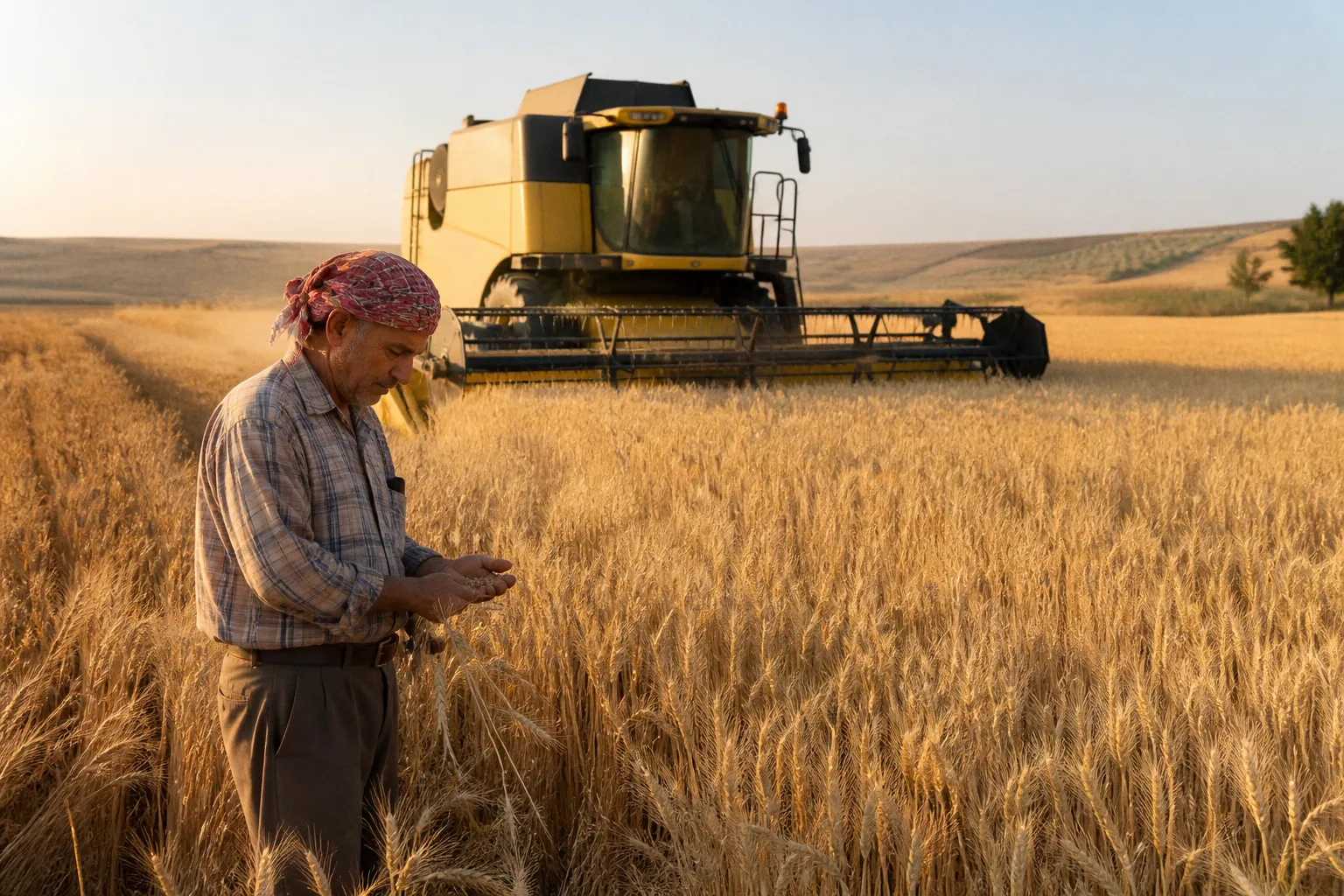
Cereals told their own story. Wheat surged 5.8 percent on continued Black Sea export disruptions and heat-driven yield concerns in producing countries; maize climbed 3.6 percent as hot, dry conditions in parts of the United States combined with energy-market spillover. Rice held broadly steady. These shifts ripple back to us through feed, packaging, and cold-chain logistics costs, even if our crates don't carry grain.
Sugar jumped 5.6 percent, erasing June's dip, on persistent dry weather across the European Union and El Niño-linked production anxiety in key Asian producers. Dairy slipped 0.7 percent and meat eased 2.8 percent off its June record, with poultry and bovine softness leading the way. The quiet lesson: importers are hunting for alternatives, and that reshuffles demand toward whatever stays consistent.
What this means for our cooperatives
Three threads are worth pulling together. First, energy and input costs aren't decoupling from food prices — they're co-moving. When we plan cold-chain upgrades or greenhouse climate control for the coming season, we're budgeting against a curve the FAO just confirmed is still tilting upward. Second, weather-driven gaps in competitor supply are opening windows. Heat-stressed yields across the EU and parts of Asia mean buyers will be looking further afield to keep shelves full, and our cooperatives can be ready with consistent sizing, blemish-free grading, and the documentation that meets their standards. Third, the geopolitical premium baked into wheat and maize reminds us that buyers reward reliability. The cooperatives that hold up best through volatility are the ones who deliver on spec, on time, every season — not the ones racing for the highest spot price.
What we do this month
Before the harvest calendar fills our days, gather your packing-house lead and revisit the export-readiness checklist. Confirm sizing standards for the EU buyers you already work with, and review grade specs for any new markets you've been courting. Check fuel and refrigeration contracts against the higher energy baseline — locking in a quarter ahead can soften the blow. And where olive oil sits in your cooperative's portfolio, start the conversation now about positioning this season's pressing alongside the firming global benchmark, so we don't leave margin on the table when the index keeps climbing.
We can't move the FAO index. But we can make sure our growers, our packers, and our buyers find each other more efficiently than the markets the heat is pressuring. That's the work in front of us — and it's work we already know how to do together.