Lebanon’s 2026 Apple Export Strategy: Boosting Quality and Regional Trade
According to Daily Beirut, the plan includes an agreement to boost agricultural shipments to Egypt up to 100,000 tons annually, alongside a request for Jordan to open apple import doors from mid-October.
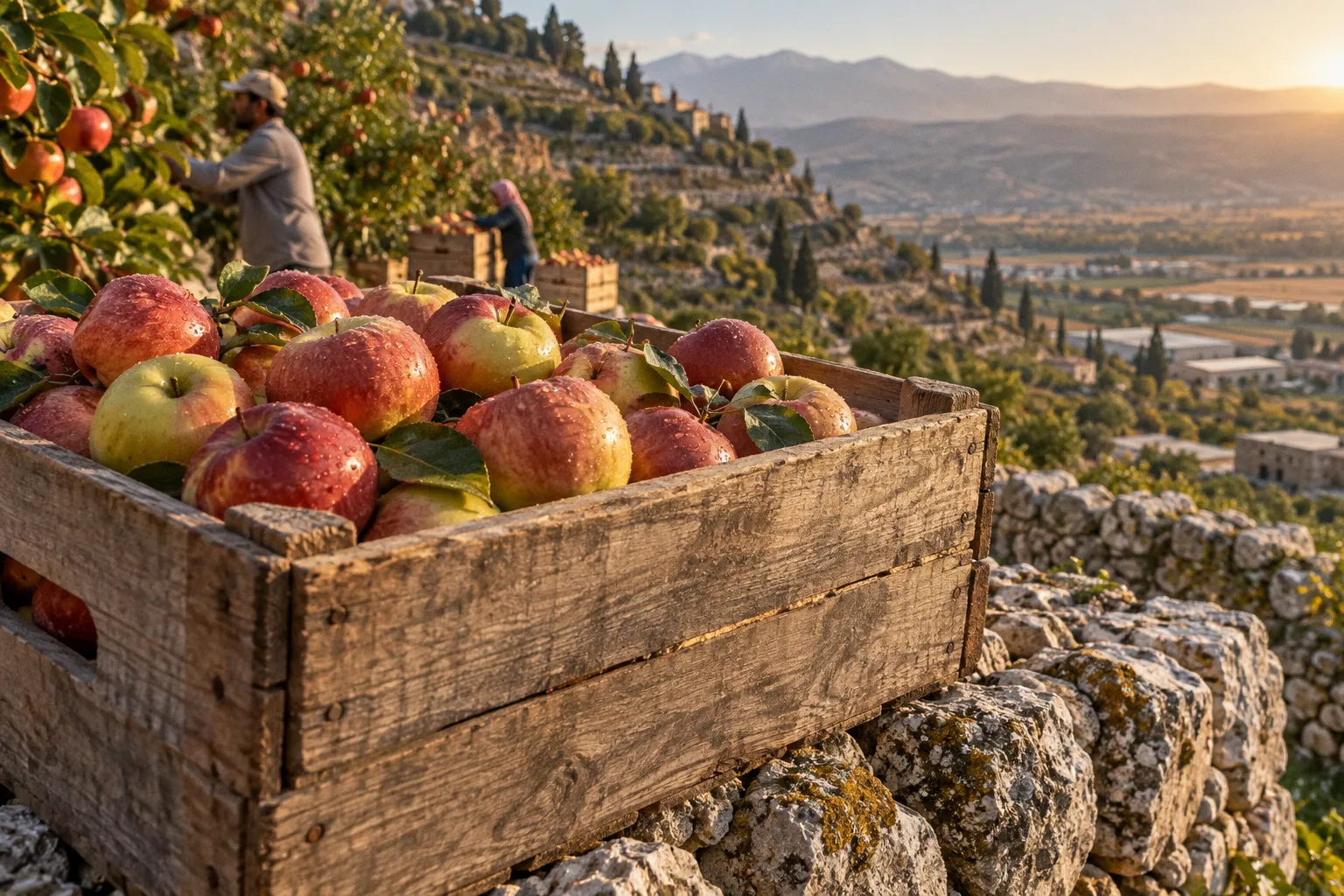
The Lebanese Ministry of Agriculture has rolled out a roadmap for the 2026 apple season targeting at least 100,000 tons for export out of an estimated 200,000-ton national crop. According to Daily Beirut, the plan includes an agreement to boost agricultural shipments to Egypt up to 100,000 tons annually, alongside a request for Jordan to open apple import doors from mid-October. For our growers and cooperatives, this is the kind of policy signal that turns a season's worth of orchard work into a viable market play — but only if we line up our grading, our cold-chain timing, and our collective logistics to match.
Reading the signal together
The headline numbers tell one story, but the coordination underneath tells the real one. Half of this year's projected harvest — roughly 100,000 tons — needs to leave Lebanese soil at marketable quality, and every crisp, blemish-free crate that leaves a sorting line is part of a much larger rhythm. When Geagea called for facilitation to ensure a successful apple season, as MTV Lebanon reported, the focus landed exactly where it should: on the friction points between orchard gate and border crossing.
The regional picture is shifting alongside us, and that's worth pausing on. At the Arab East Agricultural Exports Conference, participants adopted the new Amman Declaration, per Fana News — a framework that quietly redraws how agricultural exports move between neighboring markets. Our cooperatives no longer operate in isolation; we're writing into a shared document with counterparts across the region, and that shared language matters when inspectors, buyers, and ministries sit at the same table.
What we can do this autumn
Here's where the roadmap becomes something we can hold onto with both hands:
- Calibrate sizing and grading now. Egyptian and Jordanian buyers expect consistent class standards. A pre-season walk-through with your packing house — bin by bin — pays off when the first truck rolls toward the border.
- Stagger harvest windows with neighbors. If Jordan opens mid-October, coordinate with nearby cooperatives on delivery timing so no single collection point becomes a bottleneck.
- Lock in cold-chain capacity early. Export volumes at this scale strain shared storage facilities. Reserve space before the rush, not after.
- Document chain-of-custody. Regional frameworks like the Amman Declaration increasingly reward traceability. Cooperative-level record-keeping is no longer optional paperwork; it's the price of admission to premium markets.
The 2026 season will reward the orchards that plan as a collective. We've watched enough harvests come and go to know that the quiet work between the announcement and the first crate matters more than the press conference itself. Our growers have the yield; together, we sharpen the choreography.