Lebanon Targets Jordanian Market to Scale Apple and Grape Exports
Lebanon's Minister of Agriculture Nizar Hani is in Amman with a high-level delegation, joining the Arab Mashreq Agricultural Exports Conference in a push to unlock new routes for Lebanese produce, according to dailybeirut.com.
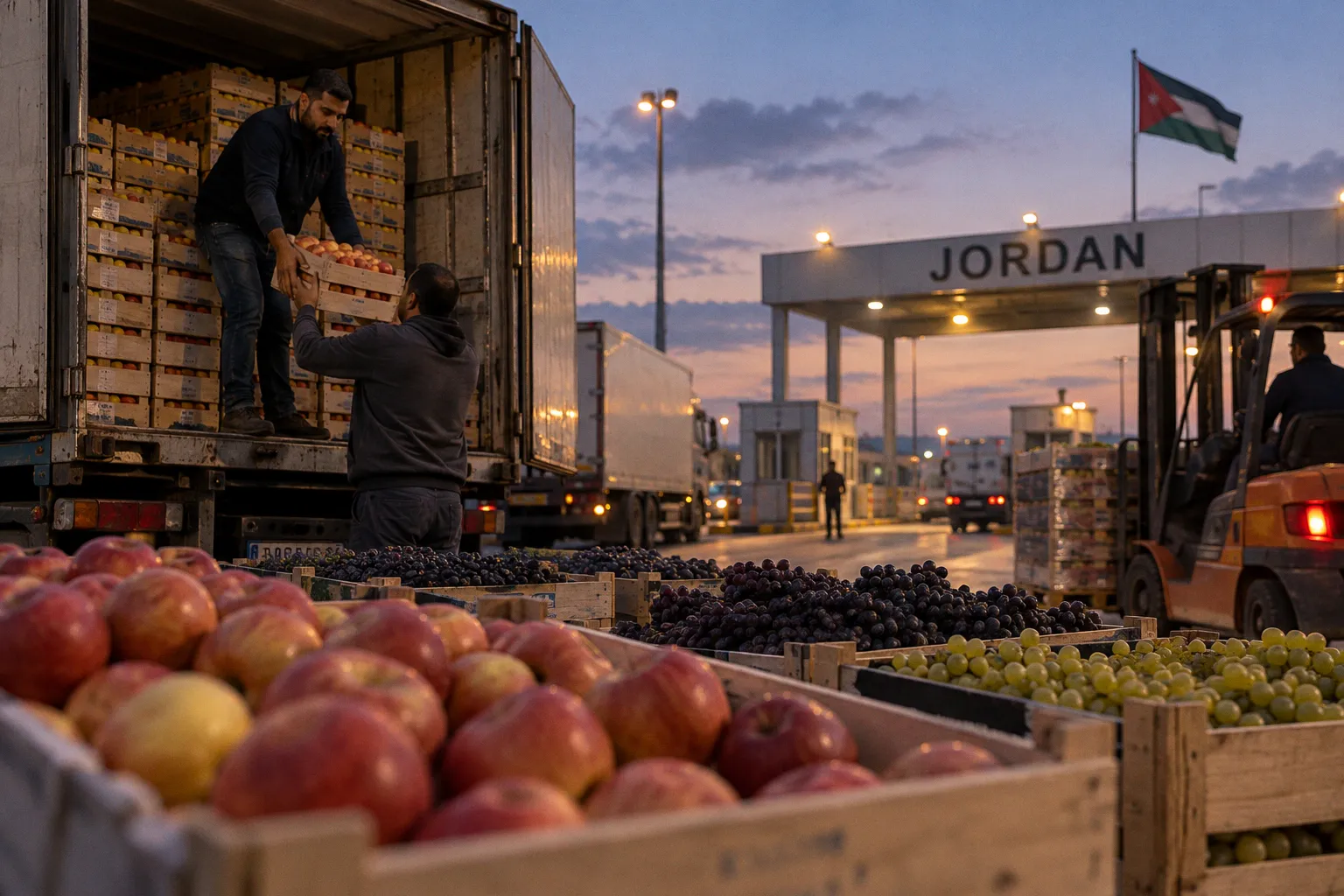
The focus crops are apples and grapes — exactly where cross-border procedures and transit windows decide whether a season turns profit or loss.
What the Trip Is Built Around
The conference reads like a logistics triage: cross-border movement, technical barriers exporters face, regional agricultural integration, and food security. On the sidelines, Hani is running bilateral meetings aimed at three hard outcomes — expanded market access for Lebanese product, streamlined entry and transit procedures, and technical cooperation channels with Jordanian and Arab counterparts.
This runs on a strategic action plan coordinated with President Joseph Aoun. The stated frame: shift from ad hoc seasonal interventions to a regular, sustainable export system. In operator terms, that means phytosanitary alignment, predictable transit windows, and quality continuity — not press-release theater.
Where Exporters Need to Move Now
If you're shipping apples and grapes — or positioning for the new market access being negotiated — three levers demand immediate attention:
- Phytosanitary alignment. Watch for any bilateral agreement on certification between Lebanese and Jordanian authorities. Mutual recognition is the single biggest dwell-time reducer at the border and directly cuts rejected loads.
- Cold-chain discipline. Cross-border transit depends on reefer integrity from packhouse to receiving dock. Lock temperature, humidity, and transit duration specs in writing with your carrier before the next booking.
- Documentation cadence. Streamlined procedures compress pre-clearance windows. Pre-stage export docs ahead of your current lead time — don't wait for the announcement.
Pre-Shipment Protocol
Run this before the next container moves:
1. Verify your phytosanitary cert template against any new bilateral spec coming out of Amman.
2. Lock cold-chain logging parameters with your carrier in writing.
3. Pre-stage customs documents — compress the lead time.
4. Brief your QA lead on updated grading specs for apples and grapes.
5. Set a hard target: zero rejected loads at the Jordanian border this quarter.
The conference is the platform. The work happens in your packhouse, your reefer, your documentation queue. Lock the protocol now — don't wait for the headline.