Strategic Priorities for Northern Lebanon’s Agricultural Cooperatives and Infrastructure
According to the Lebanese Ministry of Agriculture, Minister Nizar Hani has identified lower production costs, improved water management, stronger agricultural infrastructure, and new investment as…
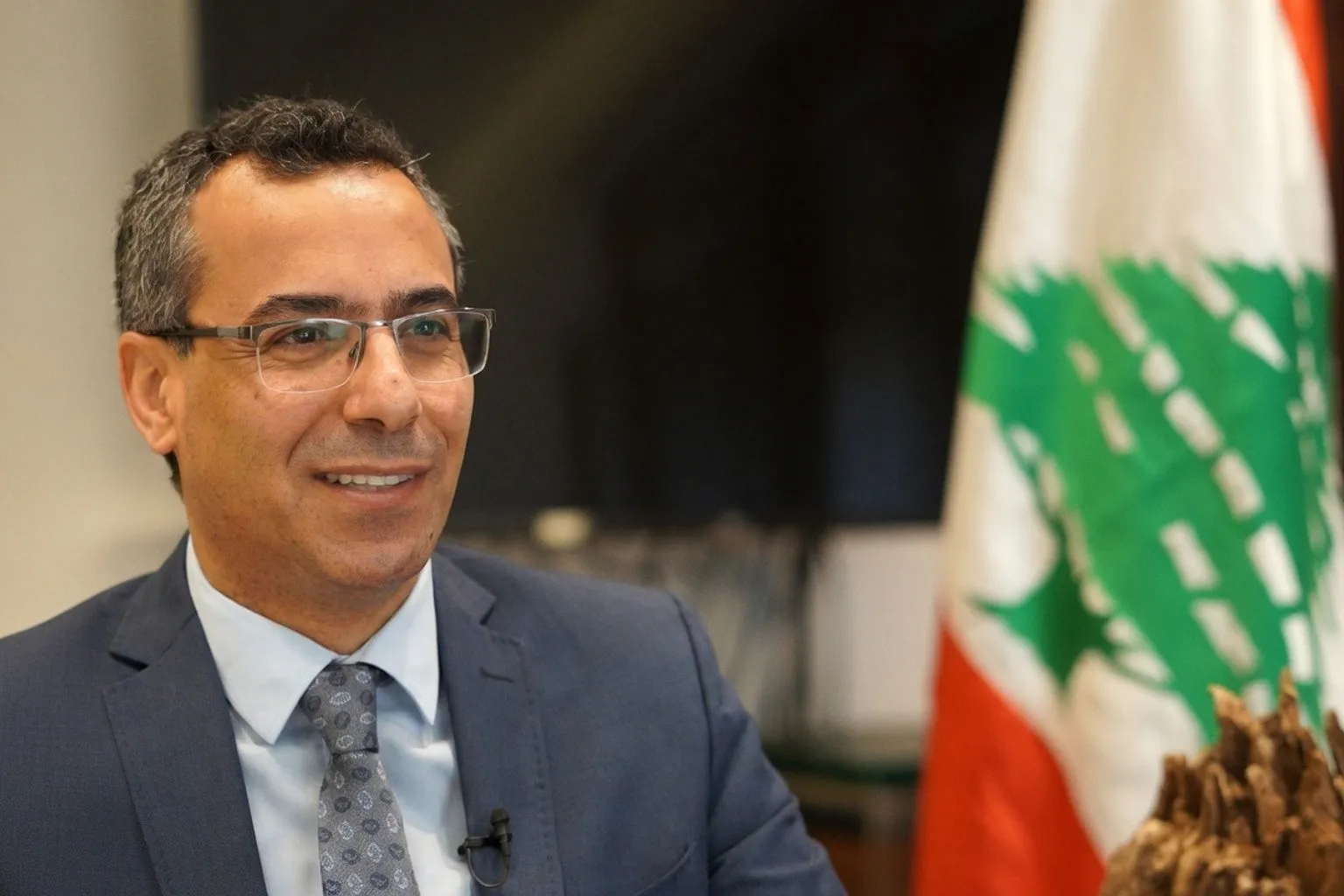
According to the Lebanese Ministry of Agriculture, Minister Nizar Hani has identified lower production costs, improved water management, stronger agricultural infrastructure, and new investment as priorities after a field tour of Akkar and Wadi Khaled.
This matters to our growers because the priorities named during the visit set the tone for how cooperative funding, technical support, and infrastructure spending may flow in the seasons ahead—and because the choices made in Akkar ripple all the way to our packing houses and export lanes.
Reading the signals from the field
The minister's four priorities—cost, water, infrastructure, and investment—are familiar territory for any cooperative working with northern growers. What makes this moment worth our attention is that the ministry is naming them together, in a region where crisp citrus, table olives, and field crops depend on affordable inputs and reliable water cycles more than almost anywhere else in Lebanon.
For those of us organizing growers for export, this is a useful window to map our own asks against the ministry's stated direction. Where are our cooperative's production costs still inflated by fragmented input purchasing? Where does irrigation infrastructure break down between the field and the sorting line? Those are the conversations we should be ready to bring forward when ministry teams return to the region.
What to put on our checklist this season
- Consolidate input orders across cooperatives in Akkar and Wadi Khaled to push unit costs down before the next planting cycle.
- Document water access points and irrigation gaps with photos and GPS tags—clear, local data is what infrastructure requests require.
- Flag any cold-chain or road bottlenecks that raise post-harvest losses; "stronger agricultural infrastructure" is our opening to surface them.
- Prepare a short pitch for any cooperative member ready to host a pilot investment, whether in sorting, packing, or value-added processing.
The ministry has also been testing modern tools elsewhere: during a recent field visit to Baabda, Minister Hani observed aerial pesticide application on fruit-bearing pine trees using drones operated by ministry technical teams, supported by two specialized experts from the People's Republic of China, with the drones financed by the Chinese Embassy in Lebanon. While that program targets forestry pest control rather than fresh produce, it signals that the ministry is actively courting international partnerships and precision technology—and our cooperatives should be ready to plug into similar channels where they fit the needs of our growers.
We have something to work with now. The priorities are named, the ministry is in the field, and the growing season won't wait. Our cooperatives do best when we arrive at these moments already organized, with shared numbers and a clear ask—and that preparation starts this week, not when the next delegation knocks on the village door.