Restoring Southern Lebanon: How Local Cooperatives Lead the Recovery
When a single headline from dailybeirut.com landed in our inbox this week—"UNIFIL: Southern residents work to restore their lives"—it carried more weight than its twelve words suggest.
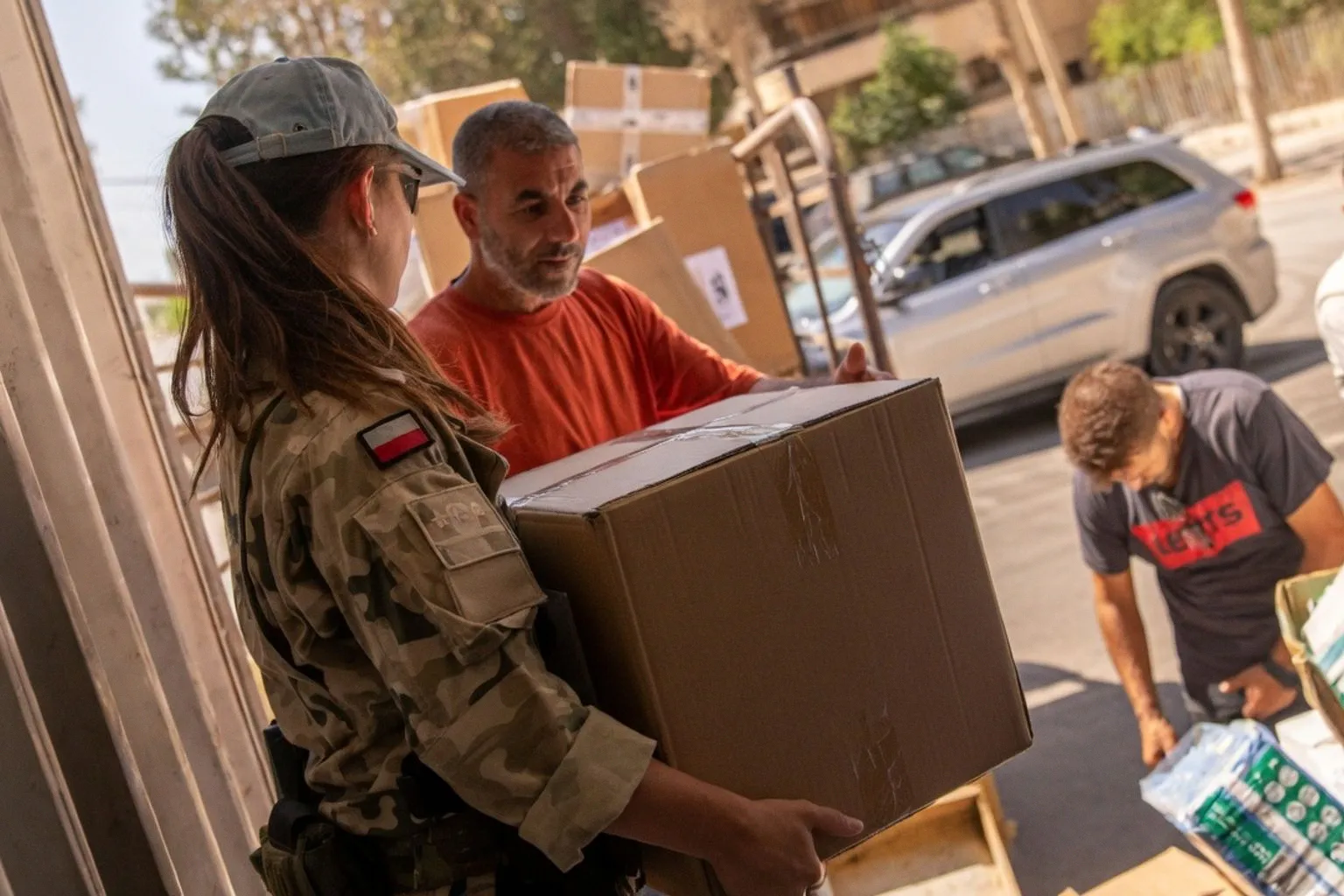
For our cooperative community across the south, that phrase echoes the quiet, stubborn rhythm we've been living for seasons: survey what's left, gather the neighbors, and start again. It's the same rhythm that runs through every shared harvest, every pooled truck, every morning our growers walk the rows together to see what's coming in.
What the report tells us
The headline, as carried by dailybeirut.com, places southern residents—not outside agencies—at the center of restoration. That's an ordering worth pausing on, because it mirrors what we've seen work in our own cooperative networks time and again. The cleanest rebuilds begin with the people who tend the land daily, not with blueprints handed down from above. Whether "restoration" touches homes, rural roads, market access, or the next citrus and olive cycle, the principle holds: those closest to the harvest lead the way, and outside support only sticks when it follows their lead.
A report framed this way reads to us not as a distant headline but as a signal about the conditions our cooperatives are working within right now—and a reminder that the residents themselves are doing the heavy lifting.
Where cooperative effort fits naturally
For those of us organizing with grower collectives in the south, this is exactly the kind of moment our cooperative model was built for. Restoration here is never abstract—it shows up in tangible, daily form. It looks like crisp, blemish-free crates graded to spec. It looks like transport pooled across a dozen small plots so no single farm is left behind when the export window opens. It looks like shared cold-storage rotations that buy every member's yield a few extra days of marketability.
This is also the moment to do what we do best: listen first, then organize. A quick round of check-ins with member farms can map what planting calendars are still intact after a disrupted season, and which fields need a slower start. A short sit-down with our packhouse teams can identify which grading lines need refreshing before the next shared shipment leaves the line. And a clear channel between cooperatives means that when one group flags a gap—in labor, in transport, in packing capacity—the neighboring collective can step in without a long planning cycle.
There's a quieter thread worth naming too. Many of our growers in the south have been carrying the weight of disrupted seasons and uncertain logistics for longer than any of us would like. "Restoring their lives" isn't only about infrastructure. It's about the rhythm of getting back to a full week of meaningful work, a steady crate at the end of the day, a planning meeting that doesn't start with bad news. Cooperatives, at their best, are how we hold that rhythm in place for each other.
Restoring, together
What UNIFIL's framing points to, even in a single line, is what we already practice: rebuilding is rarely a solo act. Our growers in the south have shown, season after season, that collective effort is what turns a damaged grove back into a yield worth putting on a truck. The work ahead is the same work we've always done—tending the land, holding the standard, looking out for the neighbor whose plot is smaller this year and making sure they ride along in the next shipment anyway.
We'll be following the broader coverage out of the south in the weeks ahead, and we'll keep our member cooperatives in close conversation as it develops. For now, the path forward is familiar: gather the collective, refresh the plan, and start the next harvest together.