Lessons from India and South Africa for Strengthening Lebanese Agricultural Cooperatives
to coverage by Big News Network, a BRICS WBA executive recently pointed to India's rural development and food security models as worth replicating in South Africa — a framing that carries quiet…
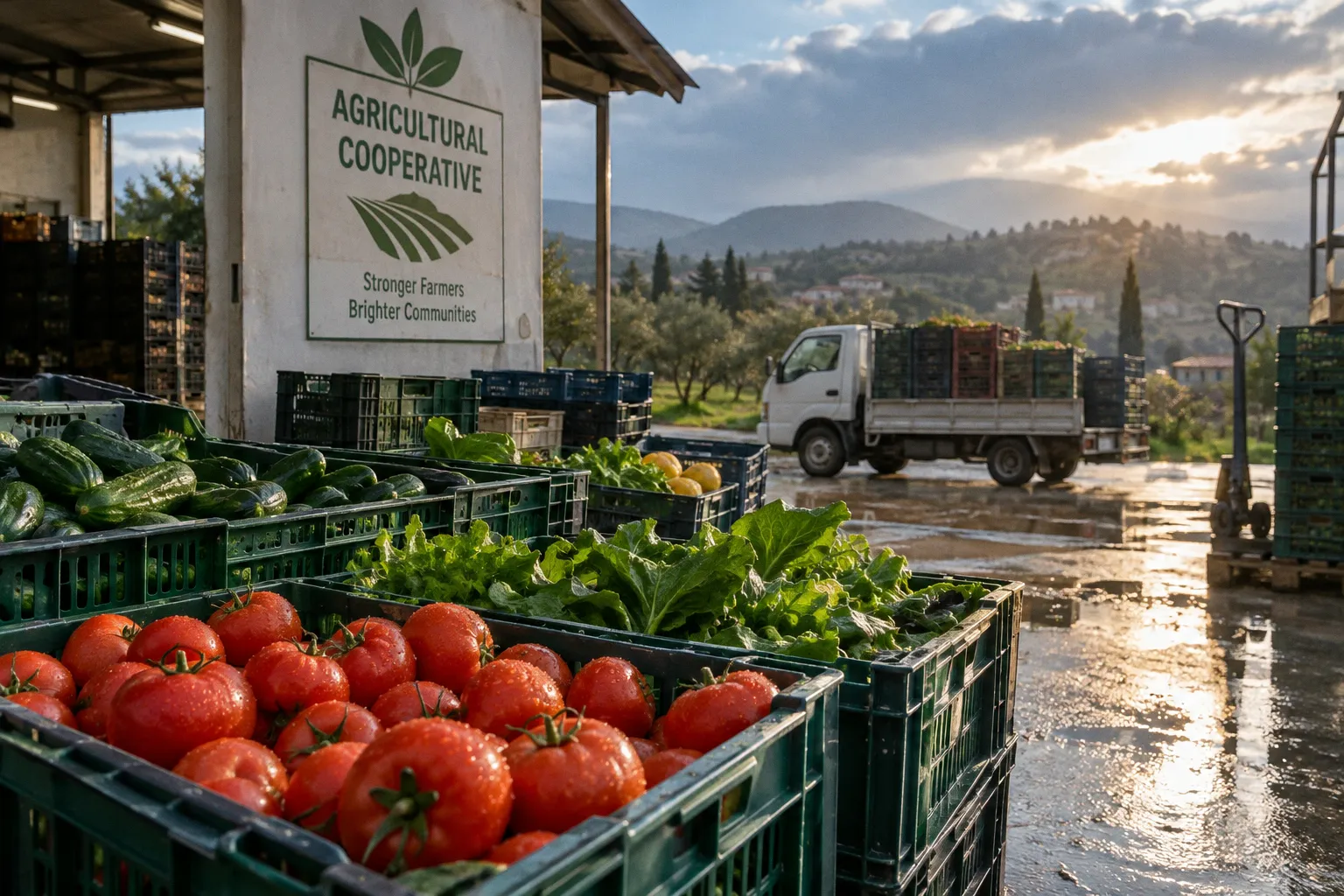
to coverage by Big News Network, a BRICS WBA executive recently pointed to India's rural development and food security models as worth replicating in South Africa — a framing that carries quiet implications for cooperative movements well beyond those two countries. The statement recasts smallholder agricultural systems as a shared classroom rather than a competitive arena, and for those of us tending harvest rows here in Lebanon, it is a useful reminder that the standards shaping fresh produce pipelines are increasingly hashed out through cross-border dialogue.
What the Signal Tells Us
The framing itself matters. A BRICS WBA-linked voice naming India's rural development approach as a reference point for South Africa suggests that major trade groupings are now openly benchmarking each other's food security playbooks. In a separate item circulating through MENAFN, JEDCO was reported to have signed a rural development agreement with an Agricultural Research Center, underscoring how research-to-grower partnerships are being formalized as instruments of national strategy. Both storylines share a backbone: structured collaboration between public research bodies and the producers themselves, rather than the producer alone.
A Mirror for Our Own Cooperative Path
We recognize this rhythm from the inside. Our growers face the same hurdle every harvest: translating what the land offers into what the market will accept. India and South Africa are larger landscapes, but the operational questions rhyme with ours. How do small batches achieve consistent grading? How does a research center's work reach a remote orchard in a form that is actually actionable? When those questions get answered through cooperative frameworks rather than one-off contracts, the gains stay with the community that earned them. That is the through-line worth holding onto, whatever acronym the discussion wears at the top of the agenda.
What to Watch on Our End
If cross-border benchmarking is genuinely accelerating, a few threads deserve our attention. First, whether BRICS WBA channels these conversations into programs that reach cooperatives on the ground rather than ending at the conference hall. Second, whether the JEDCO-style research partnership model produces documentation that smaller associations, including ours, can study and adapt without reinventing the wheel. Third, where Lebanon positions itself in the emerging map of South-South agricultural exchange, and which of our own cooperative traditions are sturdy enough to offer back in return. Our cooperative roots run deeper than many of the acronyms now circulating, and the practical work of harvest, grading, and export will always happen at the packing bench rather than the podium.