Strengthening Lebanese Agriculture: Lessons from Global Food Security Debates
Impakter reports that following a UN Security Council debate on armed conflict and food security, former FAO leadership laid out a clear message: protecting food systems, agricultural logistics, and…
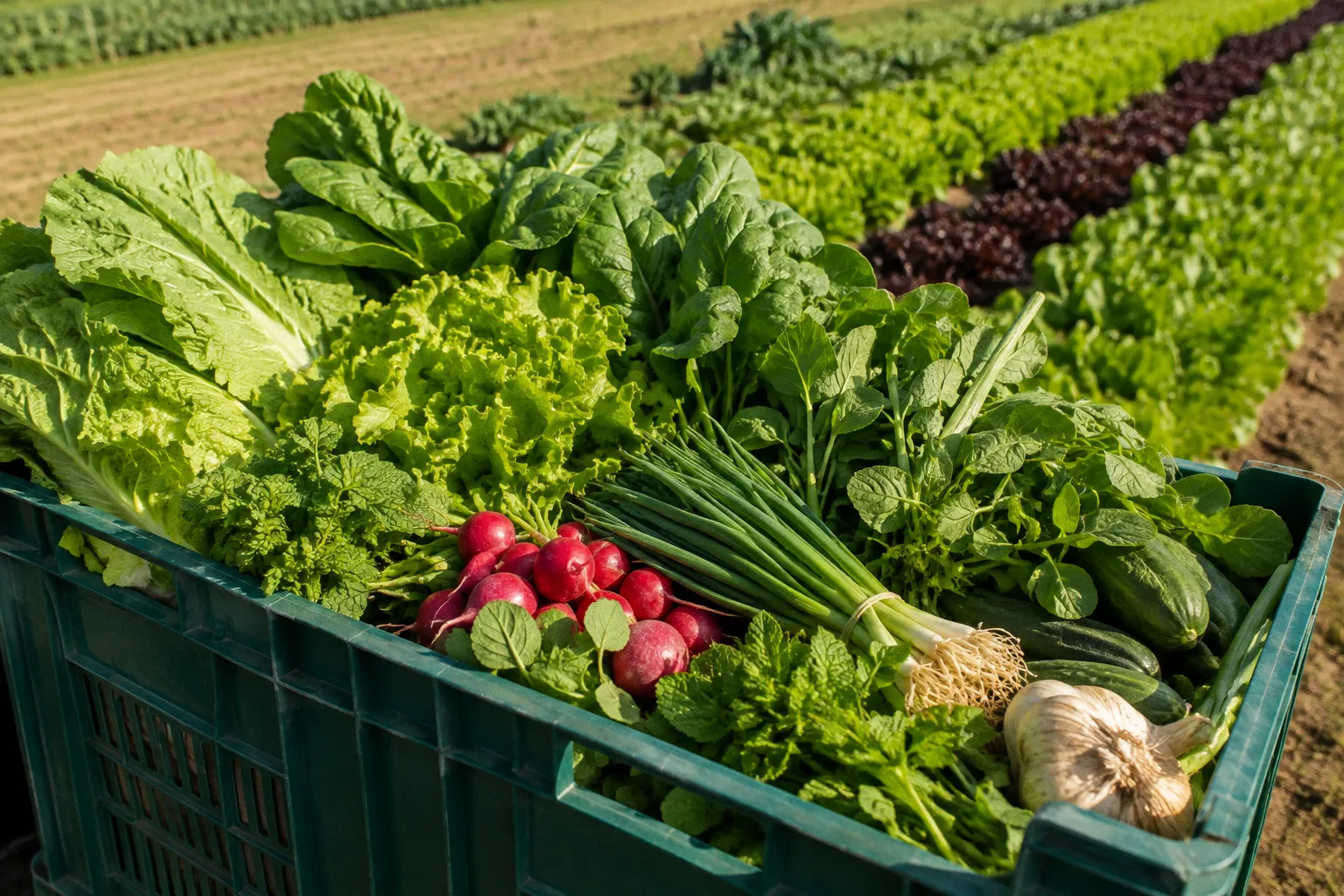
When global food security debates move from newsroom briefings into the UN Security Council chamber, the ripple eventually reaches our orchards and packing houses — and this week's discussion is worth our attention.
Why the UN debate matters to our growers
Impakter reports that following a UN Security Council debate on armed conflict and food security, former FAO leadership laid out a clear message: protecting food systems, agricultural logistics, and rural livelihoods in crisis zones is not optional, and smallholder farmers need structural support if we are to close severe food access gaps. For Lebanese cooperatives working to keep our harvests moving through export channels, that framing lands close to home. We already know what conflict does to a supply chain — it stalls cold storage, scrambles trucking routes, and squeezes the margins that let a grower reinvest in next season's yield. Hearing the language of "structural support" for smallholders at the global level is a reminder that the case we make locally — for predictable logistics, for backing that reaches the field — is the same case being argued in New York.
The practical thread we can pull
The analysis emphasized that protecting agricultural logistics and rural livelihoods in crisis zones is inseparable from feeding populations at scale. For our cooperatives, that translates into a few habits worth keeping sharp. Document the chain: every crate that leaves a collection point should carry traceable provenance, because buyers and humanitarian corridors alike reward clarity. Strengthen the shared backbone: cooperative-owned cold storage, shared transport contracts, and pooled quality grading are the structural supports that keep blemish-free produce moving when individual farms cannot carry the cost alone. And keep the conversation with regional buyers active even when headlines turn grim — consistency in outreach is what turns a one-season contract into a multi-season relationship.
What we are watching next
Impakter's piece signals that the UN conversation is shifting toward institutional backing for smallholders, rather than emergency handouts alone. That direction matters to us because it opens space for cooperative models — the very way our growers already organize — to be recognized as part of the solution. We will be tracking how donor frameworks and trade-facilitation programs translate council-level language into grants, training pipelines, or logistics subsidies that actually reach Levantine cooperatives. If you are seeing movement on those fronts, bring it to the next cooperative meeting — the rest of us need to hear it.