Regional Water Infrastructure Failures Threaten Agricultural Supply Chains
As the High Holy Days approach, reports from Israeli outlets flag a worrying signal for the wider agricultural community: desalination plants critical to Israeli farming have shut down again, and the…
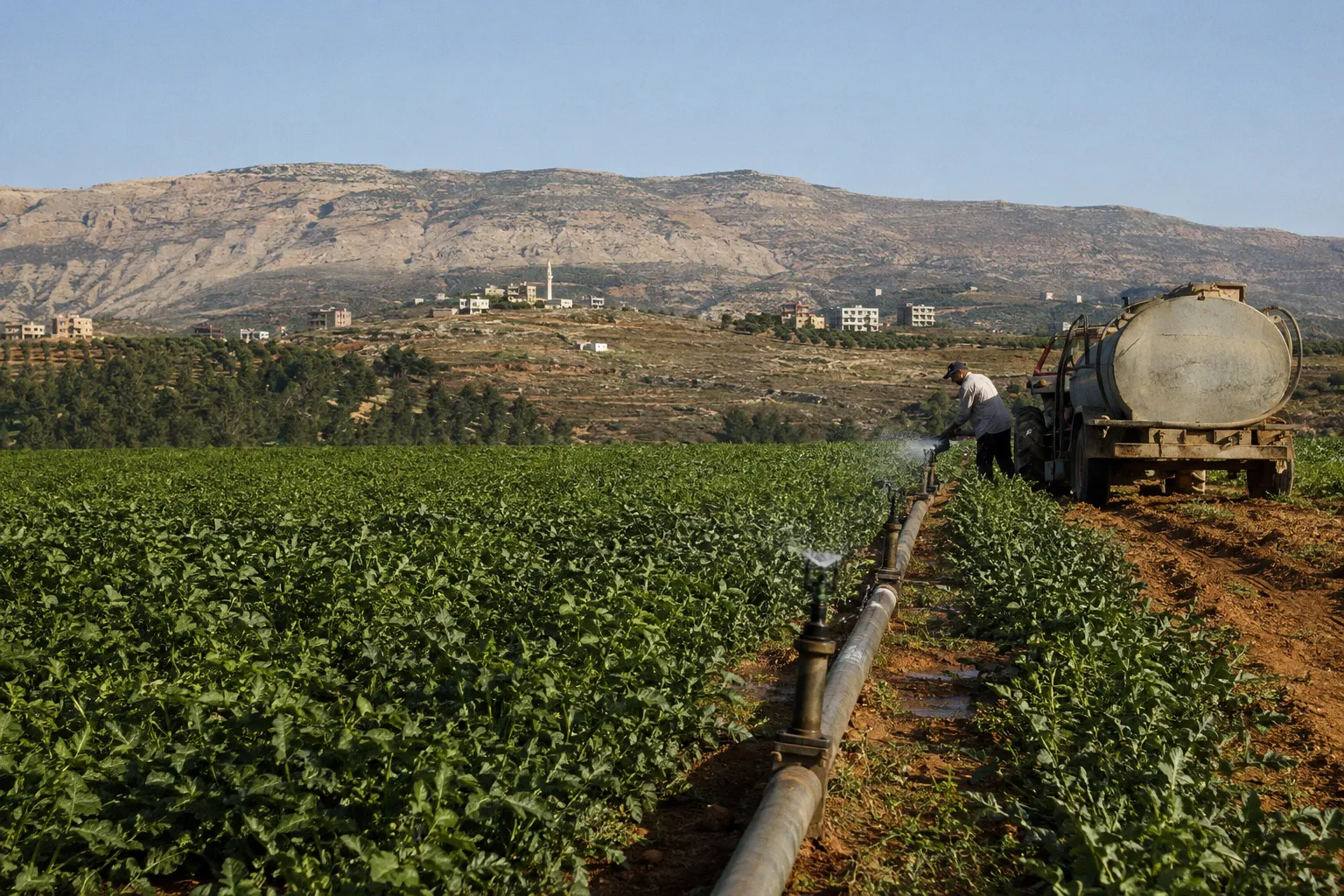
Water Scarcity Knocks on Every Farm Gate
As the High Holy Days approach, reports from Israeli outlets flag a worrying signal for the wider agricultural community: desalination plants critical to Israeli farming have shut down again, and the country's agriculture ministry is warning of a crisis ahead of the holiday season, according to coverage by The Times of Israel and aggregated by Yahoo.
For us in the Lebanese cooperative world, this is more than a headline next door. When one of the region's most water-secure nations — built almost entirely on desalination for its intensive export sectors — hits a wall on operational water supply, the ripple is felt across every packing house, every refrigerated truck route, and every buyer's spreadsheet we share.
What We're Watching
The confirmed facts are narrow but pointed: desalination systems remain nonfunctional, and a government-level warning has been issued about the agricultural implications heading into a period of peak domestic demand. No further detail has been confirmed from the snippets at hand, so we hold our reading lightly — but the pattern matters.
A few things worth keeping on our radar as cooperative leaders and growers:
- Regional water infrastructure is fragile, even where it looks solid on paper. Desalination downtime in a country that depends on it almost exclusively reminds us that no single water strategy is bulletproof.
- Holiday-driven demand spikes tend to expose cracks in the supply chain first. If Israeli shelves thin during the High Holy Days, buyers will pivot quickly toward Mediterranean alternatives — and that includes Lebanese apples, citrus, and stone fruit if we can deliver.
- Shared logistics corridors mean shared risk. The same shipping lanes, port congestion points, and freight pricing that affect Israeli produce affect ours. A crisis there is a stress test for all of us.
Our Next Move as a Community
This is the moment to do what cooperatives do best: pool our preparation. Talk with your cooperative's logistics lead this week about whether any regional buyers have already started making alternative-sourcing inquiries. Check the cold-chain capacity you have reserved versus what you might need if a demand window opens unexpectedly. And reach out to neighboring cooperatives — not just to compare notes, but to coordinate so that if opportunity knocks, we answer as a unified Lebanese harvest, not as scattered farms.
We cannot control the desalination uptime of a neighboring country. We can control whether our collective house is in order when the market looks our way. That is the work in front of us this week, and it is work worth doing together.