Lessons from Europe: Strengthening Lebanese Agricultural Cooperatives for Global Markets
The European Court of Auditors has just put a magnifying glass to one of the most important engines behind European fresh produce — and what it found should give our cooperative leaders in Lebanon…
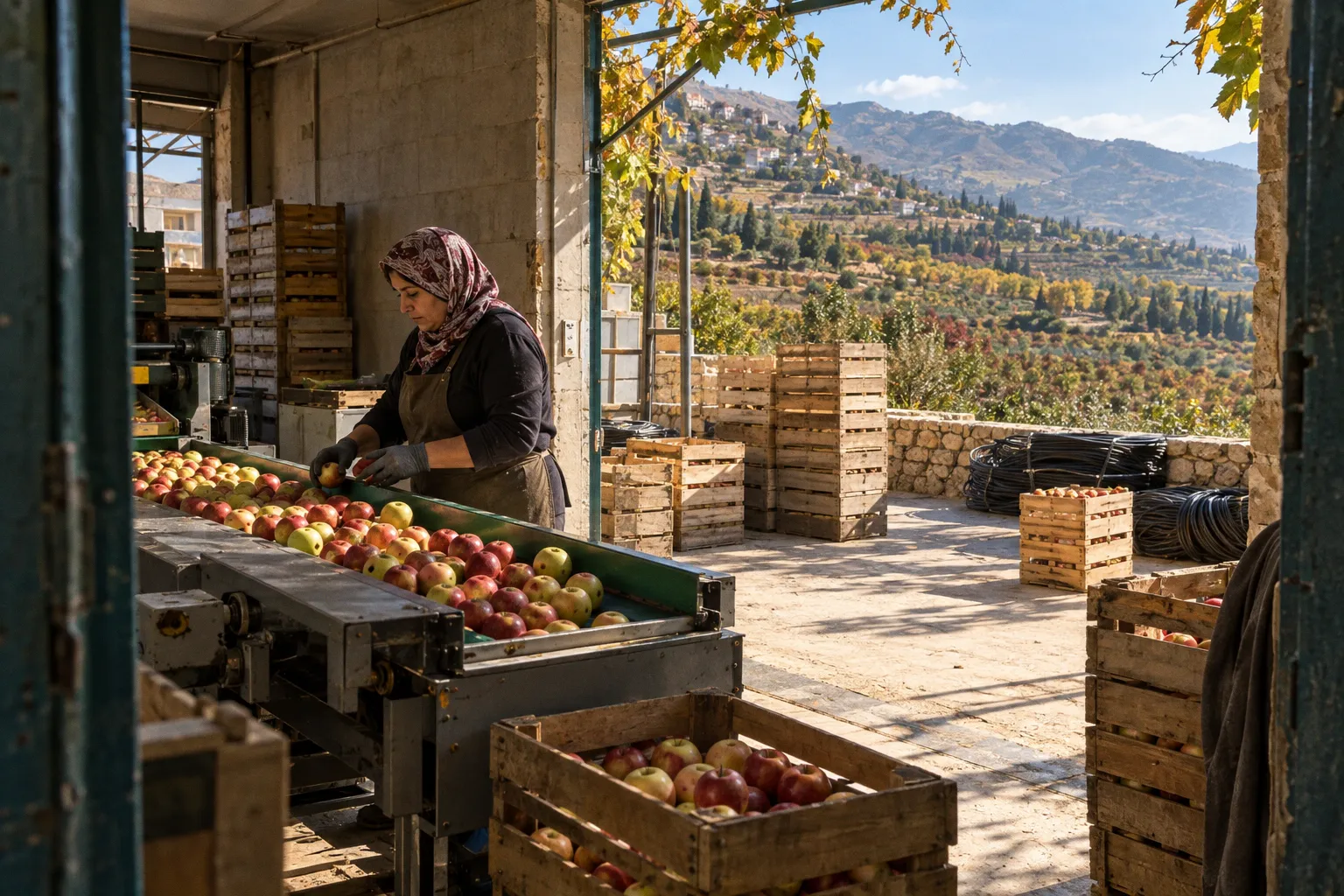
The European Court of Auditors has just put a magnifying glass to one of the most important engines behind European fresh produce — and what it found should give our cooperative leaders in Lebanon something useful to sit with. In Special Report 22/2026, the auditors reviewed how EU financial support flows to fruit and vegetable producer organisations, and the picture that emerges is genuinely instructive: around €1.06 billion in annual aid is genuinely strengthening technical competitiveness, yet tangled rules and uneven national support have pushed farmer membership down by 39%. It is a story about what works, and about what quietly unravels when the framework around growers gets heavier than the harvest itself.
What the auditors actually measured
The report's scope is practical, not abstract: it looks at whether public money flowing through producer organisations — the collective bargaining bodies that pool small farmers into a single commercial voice — is actually delivering sharper fruit, steadier supply, and better prices. By the auditors' own measure, the answer is yes on technical competitiveness. The wrinkle is membership. Across several member states, growers have been quietly stepping away, and the report traces that drift back to two things: rules that demand too much paperwork for too little clarity, and national-level support that varies so widely from country to country that the playing field stops being level. Money alone, the auditors suggest, is not the lever — the architecture around it matters just as much.
Why this matters to our growers
We have long watched how our own cooperatives navigate the European buyer, and the parallels are hard to miss. A Lebanese collective shipping apples, citrus, or table grapes into the EU is, in effect, competing with producer organisations that receive real structural backing — and that backing only translates into market power when the cooperative itself is coherent. The ECA's finding on declining membership is not a warning from a distant continent; it is a reminder that growers will only stay inside a cooperative if the paperwork respects their time, if the quality premiums reach their pocket, and if the standards — grading, sizing, blemish thresholds — are consistent enough that a buyer in Rotterdam knows exactly what is arriving. When those rails are wobbly, even generous funding cannot keep a farmer engaged.
What we can carry forward
Three threads from this report are worth pulling into our own season planning. First, competitiveness is technical before it is commercial: varietal selection, post-harvest handling, cold-chain discipline, grading consistency — these are where reputation is built, and where a cooperative earns the right to negotiate. Second, the rules must be legible. If our internal operating procedures require a member to read three documents before understanding how the seasonal bonus is calculated, we have already lost part of that member's attention. Third, membership is a relationship we tend every season, not a number we report once a year. The 39% decline the auditors documented did not happen in a single bad season; it happened because small frustrations compounded over many. Our growers deserve a framework that asks reasonable things, rewards clean fruit reliably, and treats their time as the valuable thing it is. That is the fertile ground the report's title is really pointing toward — and we already know how to cultivate it.