Bridging Research and Harvest: How Lebanese Cooperatives Are Adopting Climate-Smart Farming
According to WaterMellon EU, agricultural researchers, farmers' organizations, and Lebanese cooperatives gathered in Beirut under the patronage of the Minister of Agriculture to evaluate the results…
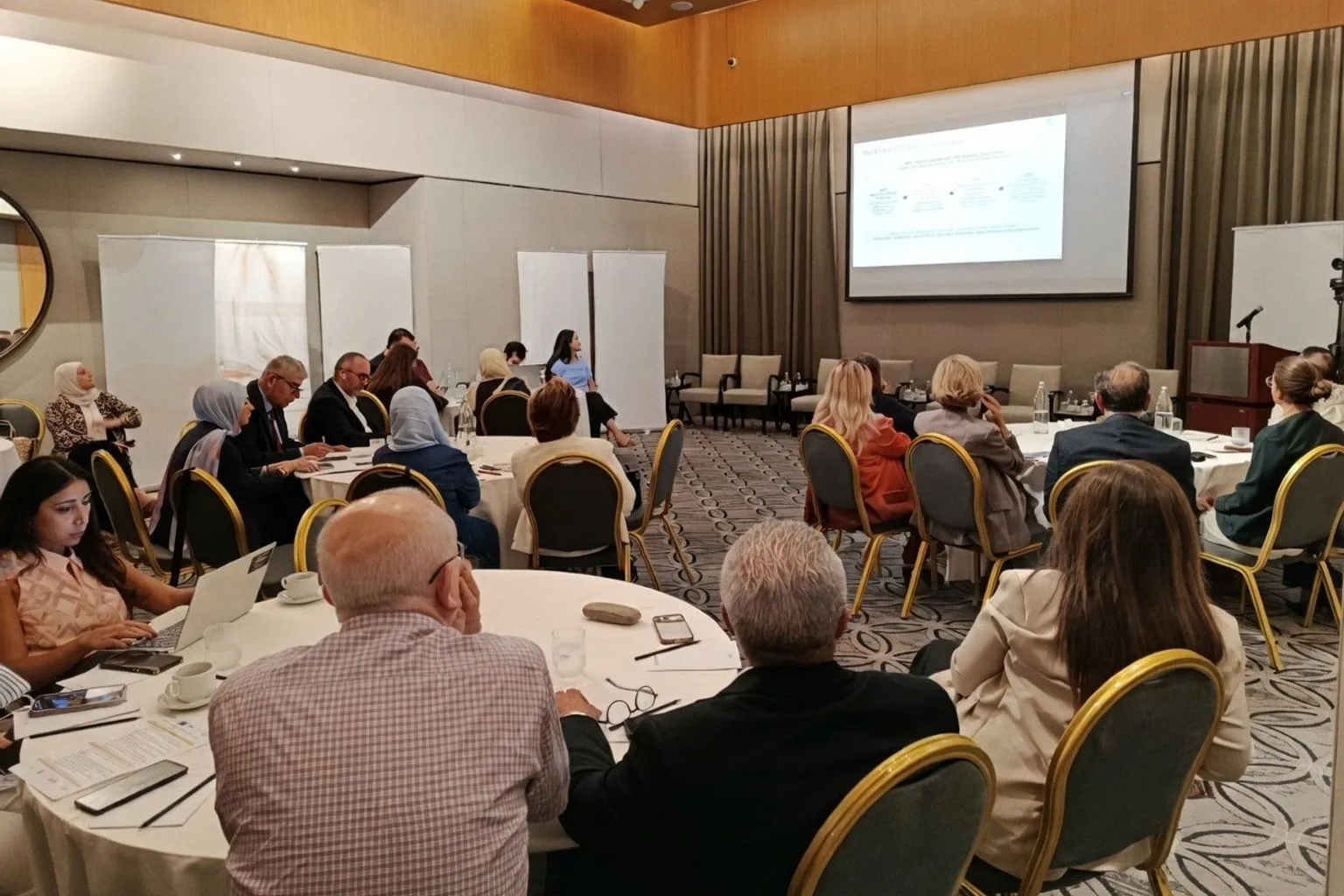
According to WaterMellon EU, agricultural researchers, farmers' organizations, and Lebanese cooperatives gathered in Beirut under the patronage of the Minister of Agriculture to evaluate the results of four PRIMA-funded projects. The workshop centered on moving climate-smart farming techniques and resilient crop management from research notes straight into the rows of our local fields. For our growers, this is the kind of room where the next harvest quietly takes shape — where shared challenges become shared frameworks.
From the policy table to the orchard floor
The Beirut meeting brought together a familiar mix for anyone working in cooperative development: researchers carrying field data, farmers' organizations translating that data into workable practice, and cooperatives asking the practical questions — what fits our soils, our water budget, our harvest calendar. The throughline was resilience. Climate-smart agriculture, in the language of PRIMA-funded work, is less about high-tech gadgets and more about management choices that protect yield and quality under shifting conditions. Think soil cover that holds moisture through a dry stretch, rotations that break pest cycles, and varietal selection that stands up to heat without losing the crisp, blemish-free finish our export buyers expect.
For Lebanese cooperatives, the relevance is direct. The Mediterranean climate that gives our stone fruit, grapes, and pome fruit their character is also the climate that punishes inconsistency. A workshop that evaluates four projects side by side gives our growers a chance to compare notes — what worked in a neighboring valley, what fell flat, and which techniques can be adapted without rebuilding an entire operation.
What to carry into the next planting cycle
The practical takeaway for cooperatives watching this space is straightforward: the conversation has already moved past whether climate-smart methods are useful, and into how to phase them in. That means mapping which techniques fit each crop, which require cooperative-level coordination — shared seed sourcing, collective irrigation scheduling, group certification audits — and which can be trialed by a single grower before scaling.
We can use this moment to do what our cooperatives do best, turning a Beirut workshop into a Beqaa or Akkar field trial. The next step is asking our own members: which of the four PRIMA project findings would solve a problem we already know we have? That is where the real transfer happens, not in a conference room but in the first row of seedlings after the autumn rain.