Boosting Lebanese Agricultural Cooperatives Through Certification and Strategic Support
According to the Food and Agriculture Organization of the United Nations, Lebanon's Ministry of Agriculture, FAO Lebanon, and the Government of Canada have joined forces on a program designed to lift…
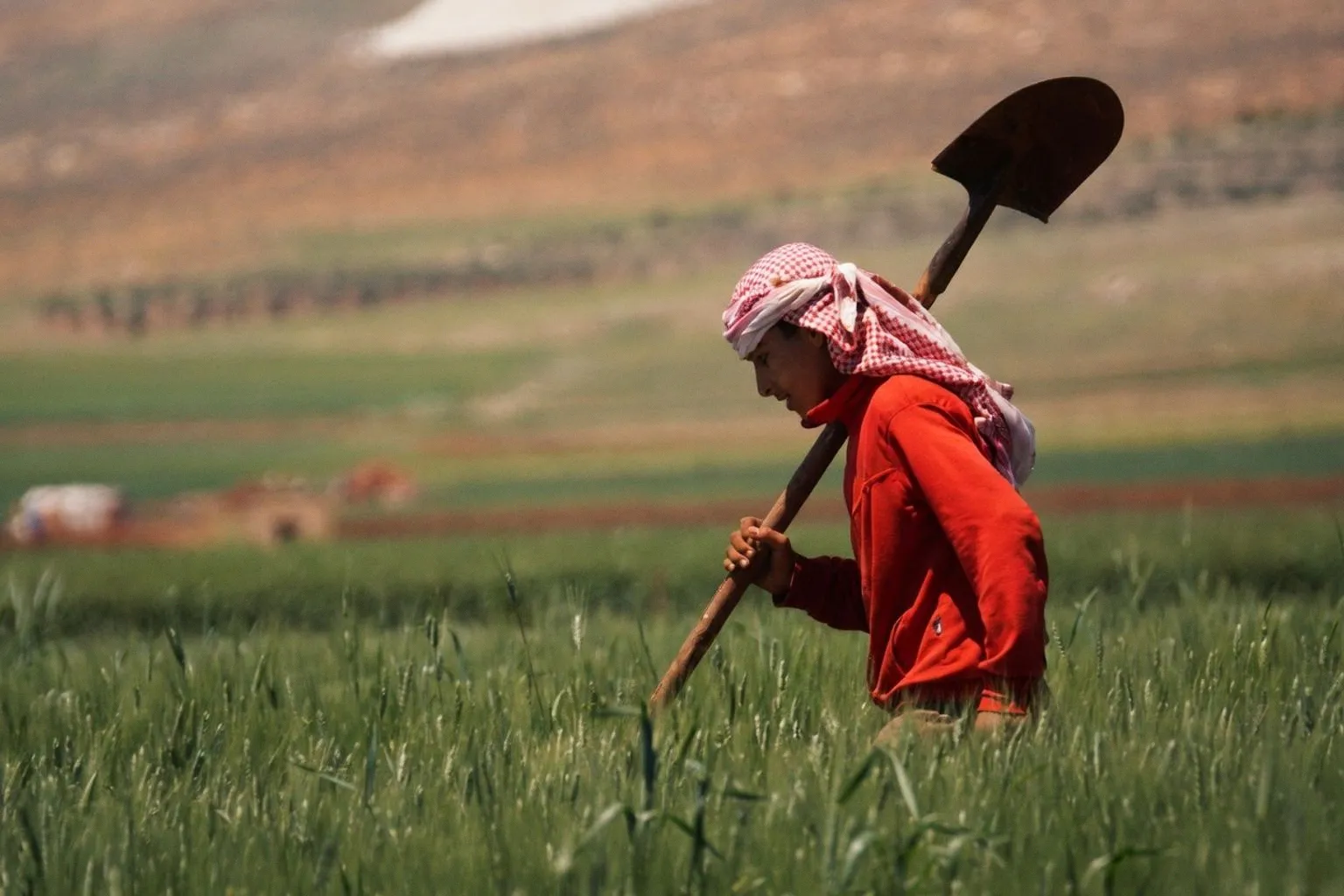
A new initiative landing in our orchards and fields this month is exactly the kind of collective momentum our grower cooperatives have been waiting for. According to the Food and Agriculture Organization of the United Nations, Lebanon's Ministry of Agriculture, FAO Lebanon, and the Government of Canada have joined forces on a program designed to lift small-scale farmers, rural women, and agricultural cooperatives out of the squeeze of severe production costs — with farm certification and crop quality at the center of the work. For our cooperatives chasing export-grade harvests, this is the kind of partnership that turns a wish list into a working plan.
What the partnership puts on the table
The collaboration is built around collective action rather than scattered handouts. By pooling the Ministry's field presence, FAO's technical backbone, and Canadian funding, the program aims to ease the input-cost burden that has been thinning margins for our growers, while opening a clearer path to formal farm certification. Certification, as many of our cooperative leaders know too well, is the threshold that separates a good local harvest from a shipment that meets international buyer specifications — the difference between apples that land in a Gulf supermarket and ones that stay at the border.
The backdrop shaping every harvest decision
The urgency behind this initiative is hard to overstate. As reported by QNA, Lebanese Minister of Agriculture Dr. Nizar Hani outlined that almost 56,264 hectares of agricultural land across roughly 285 towns in the south, Bekaa, and Baalbek-Hermel have been impacted by recent conflict, with around 18,559 hectares sustaining direct damage. A ministry survey covering 15,025 farmers in those areas found that 76.6 percent had been displaced — a figure that signals not just lost households but lost labor and disrupted growing seasons. Recovery needs are estimated at USD 263 million, with USD 95 million prioritized for 2025 and 2026, and about 1.24 million people in Lebanon facing elevated acute food insecurity between April and August of this year.
Climate tools arriving alongside certification support
While the certification push takes shape, our cooperatives are also gaining access to newer climate-smart tools. The WaterMellon project recently brought climate-resilient farming systems, sensor-driven water efficiency tools, and salt-tolerant crops to a multi-stakeholder workshop in Beirut, sitting alongside cooperative leaders and policymakers. The session pointed growers toward practical demonstration farms — a step that matters when our members are weighing which varieties will actually hold their quality through a dry season or a saline irrigation source.
Where we go from here as a cooperative community
The road ahead is practical, not theoretical. Our grower groups should be watching for the rollout details from the Ministry and FAO on how cooperatives can join the certification track, what input-cost support actually looks like at the farm gate, and whether demonstration plots from the WaterMellon workshop can be visited or replicated locally. If our cooperatives walk into this partnership with clear membership rosters, documented harvest volumes, and a short list of the quality gaps we want closed — blemish thresholds, sizing, post-harvest handling — we give ourselves the best chance of turning this collective effort into blemish-free, export-ready harvests that carry our community's name further than ever.