Lebanon Targets Qatari Export Markets Through Enhanced Farm Infrastructure
Lebanon's Agriculture Minister Nizar Hani recently sat down with farmers, cooperatives, and — most notably — a Qatari company interested in bringing more Lebanese crops into the Gulf, according to…
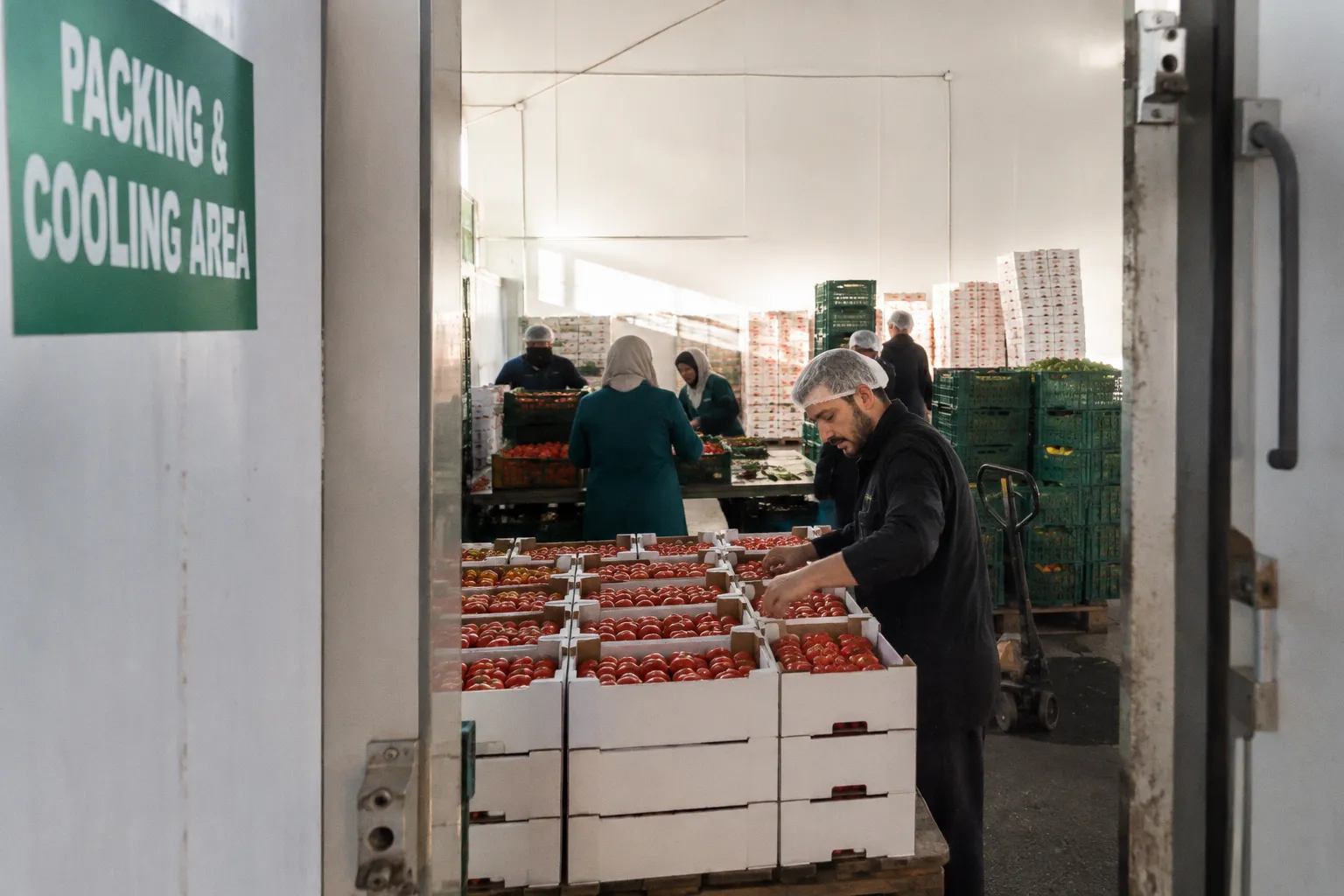
Lebanon's Agriculture Minister Nizar Hani recently sat down with farmers, cooperatives, and — most notably — a Qatari company interested in bringing more Lebanese crops into the Gulf, according to reporting from Arzi News. The conversations spanned post-harvest infrastructure, modern beekeeping, and the kind of cross-border market access our grower networks have quietly been working toward. For anyone watching how collective harvests reach international shelves, this is the thread worth pulling.
What came out of the table
The Minister's meetings covered the full span of what makes a cooperative harvest actually saleable beyond the farm gate. Cooling, sorting, packing, and canning facilities took center stage — the unglamorous but essential step where crisp apples and blemish-free stone fruit either earn their place in an export crate or don't. Hani also discussed adopting modern technology in beekeeping and apiary management, a reminder that honey production sits inside the same value chain our orchards and cooperatives depend on for pollination and supplementary income.
Alongside the export push, the Minister followed up on agricultural files in the town of Shebaa and the wider border region, where farmers are still producing under difficult conditions. Housing cooperatives and mutual funds were on the agenda too, reinforcing the cooperative and solidarity work that already underwrites so much of rural resilience here.
Why a Qatari buyer matters for our growers
The video meeting with the unnamed Qatari company is the detail most worth holding onto. A new trade channel into Qatar means Lebanese produce could land in a market that values Mediterranean freshness but currently sources it through longer, more expensive routes. For our cooperatives, that translates into practical questions worth sitting with now: do we have the cold-chain capacity to deliver consistently? Are our grading and packaging lines aligned with what Gulf retailers expect? Can we organize collective shipments that meet minimum volumes without leaving smaller growers behind?
These are the gaps post-harvest infrastructure is designed to close, and the reporting made clear that cooling, sorting, and packing centers are being treated as essential links rather than optional upgrades. That is the framework our groups can plan around — shared facilities, shared standards, shared access to a buyer who has just signaled interest.
The wider context we are working in
Two recent signals frame how seriously this export push should be taken. The FAO has reported that it is supporting Lebanese chickpea farmers through its One Country One Priority Product initiative, providing improved seed access, training, and field demonstrations aimed at expanding domestic production and strengthening food security. Separately, the Ministry of Agriculture has stated that roughly 22.5 percent of Lebanon's agricultural land — about 56,000 hectares, with 52,000 of those in the South and Nabatieh — was affected by the war, and that rehabilitation of greenhouses, wells, and irrigation networks is underway alongside direct farmer support.
Taken together, the picture is one of a sector under pressure but actively rebuilding, with cooperative work and infrastructure sitting at the center of the recovery plan.
What to track next
If you are part of a cooperative or a municipality thinking through post-harvest planning, three things are worth watching in the coming weeks: whether the Qatari company conversation produces a concrete trial shipment or formal agreement; whether any of the cooling, sorting, or packing facility discussions turn into announced investments or partnership models our groups can plug into; and how the FAO chickpea work connects to broader seed-quality improvements that might benefit other legumes and grains in our rotations.
The meetings themselves are signals, not promises — but they are signals our cooperatives can use to start organizing around the standards and volumes an export channel like Qatar will eventually require.