New EU-Lebanon Monitoring Committee Signals Shift for Agricultural Export Oversight
The committee's opening conversation, EEAS reports, was anchored in support to vulnerable communities — education, healthcare, social protection, and water and wastewater.
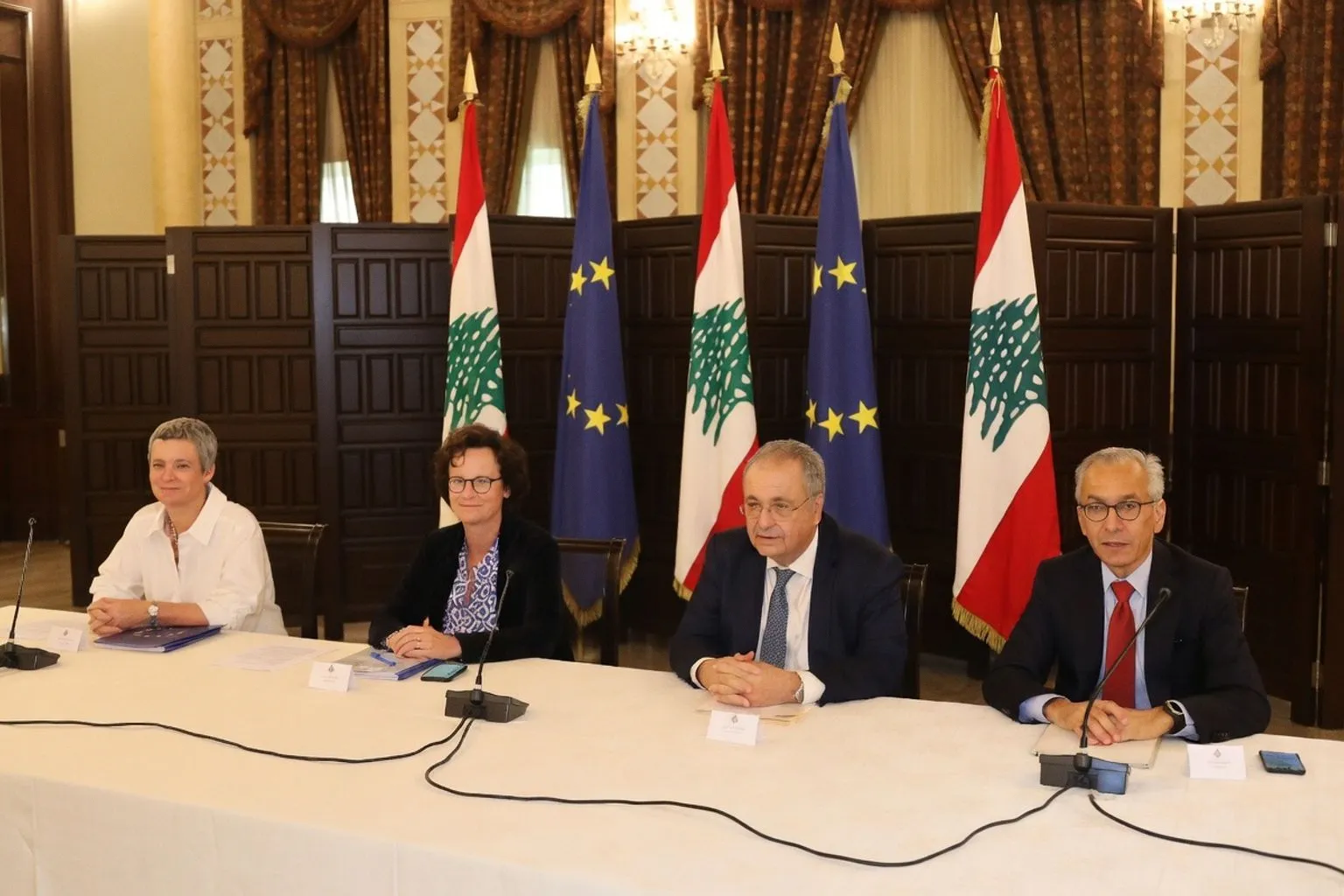
A new standing table — and why cooperative boards should pay attention
According to the European External Action Service, Lebanon and the European Union convened the first session of the EU-Lebanon Joint Monitoring Committee on 3 September, a new platform for structured, high-level dialogue on how the two partners work together. The meeting was co-chaired on the Lebanese side by Deputy Prime Minister Dr. Tarek Mitri and Minister of Economy and Trade Amer Bisat — with Bisat stepping in as Vice-Chair on behalf of the Ministry of Finance — and on the EU side by Ambassador to Lebanon Sandra De Waele and Henrike Trautmann, the European Commission's Director for the Middle East and North Africa division. For those of us running cooperatives and packing stations, the quiet but telling detail sits further down the attendee list: Minister of Agriculture Nizar Hani joined ministers of culture, defence, social affairs, interior, energy, water and public health around the same table.
Day one: basic services, with agriculture in the room
Officials reviewed progress on existing programmes, surfaced implementation bottlenecks, and looked for ways to make EU cooperation more sustainable and effective. That framing matters for us: this is a results-monitoring body, not a photo-op. Agriculture was not the headline theme of the first sitting, but the agriculture ministry's presence alongside its line counterparts suggests that sector-specific work streams — including the export pipeline our cooperatives depend on — are intended to be tracked through the same structure over time, rather than handled in a separate silo.
The wider trade-diplomacy picture
A parallel signal worth holding alongside this one: according to WAM, the UAE Chambers federation recently signed an agreement to establish a joint UAE-Lebanon Business Council, opening a standing trade-diplomacy channel into the Gulf. Different forum, similar purpose — building the institutional scaffolding between Lebanese producers and the markets that buy from them. For our cooperatives weighing where to invest staff time and political attention over the coming season, both channels point the same way. Structured, government-to-government dialogue is becoming the default environment in which standards alignment, certification assistance, and logistics questions get discussed.
Three things to track from the cooperative seat
First, watch who represents which directorate at the next session. A committee co-chaired at deputy-PM and minister-of-economy level sets the tone for which programmes get airtime, so the agriculture ministry's preparation between meetings will shape what our sector can bring forward. Second, follow the reporting lines. The Joint Monitoring Committee is built to track implementation results, and when the EU side — through Trautmann's division — signals which sectors are on track or need course correction, that is a real steer about where supplementary technical assistance will flow. Third, note how trade facilitation lands. With Bisat carrying the finance ministry's seat, customs modernisation, export pre-financing, and the everyday frictions at the border all fall inside this committee's mandate — which gives cooperative leaders pushing for smoother cold-chain crossings a genuine point of entry, provided we show up prepared.