How Global FAO Support for Farming Collectives Shapes Export Success
According to Global Agriculture, FAO Director-General Qu Dongyu sat down with Thailand's Ministry of Agriculture and Cooperatives to reinforce institutional backing for smallholder farming…
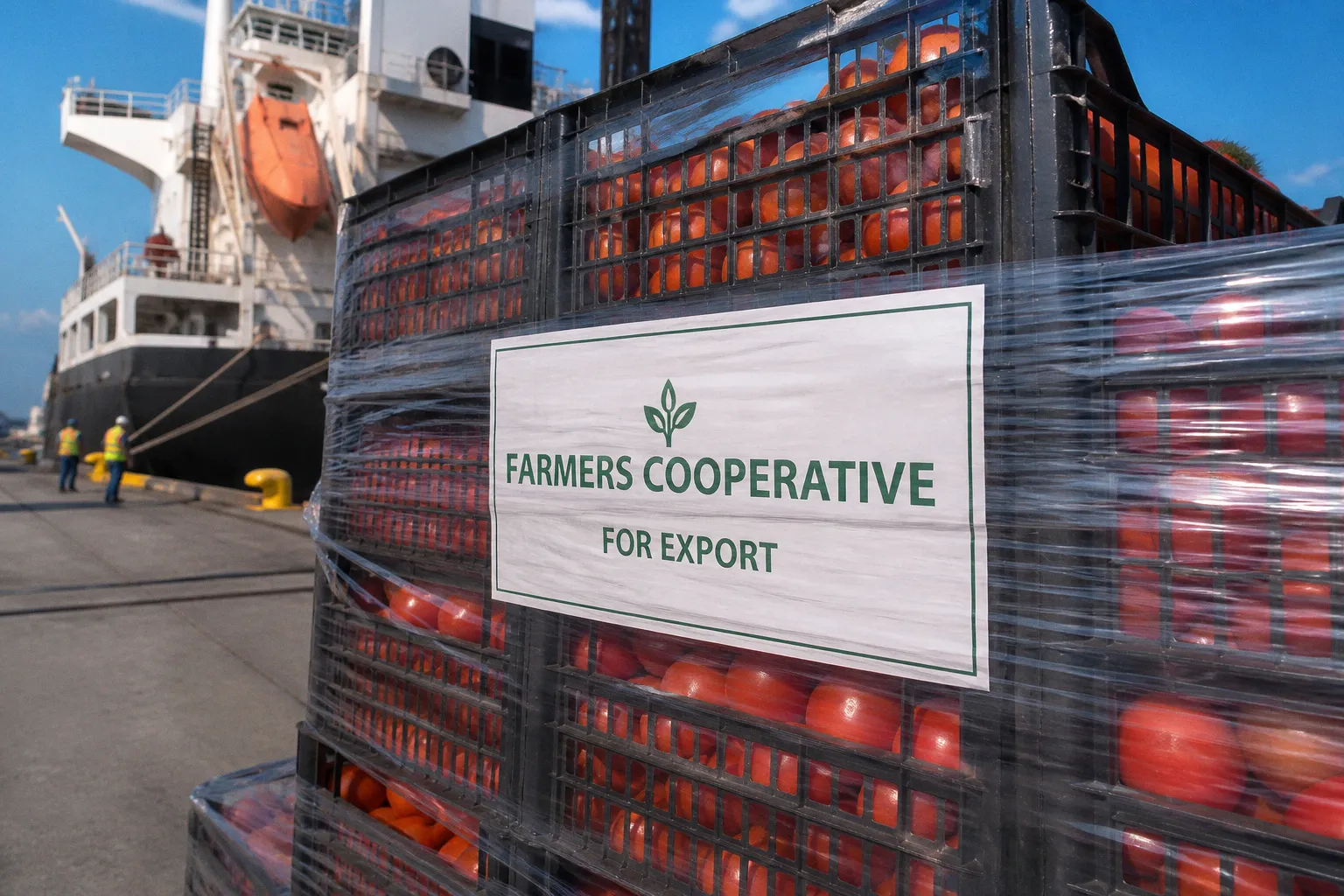
Why a Thailand Meeting Matters for Our Harvests
According to Global Agriculture, FAO Director-General Qu Dongyu sat down with Thailand's Ministry of Agriculture and Cooperatives to reinforce institutional backing for smallholder farming collectives — a conversation centered on weaving rural handicraft and farming cooperatives into sustainable agro-food value chains.
We hear about international meetings like this from a distance, but they quietly shape the rules of the road for every cooperative trying to move fresh produce across borders. When the FAO publicly commits to supporting collective models, it signals to trading partners, logistics providers, and buyers that the cooperative way is not a relic. It is the organizing principle being endorsed for the next generation of export-ready farming, and that endorsement travels farther than any single shipment.
What the Conversation Actually Centered On
The discussions, as reported, focused on integrating rural handicraft and farming cooperatives into sustainable agro-food value chains. In plain terms, that means helping small groups of growers meet the standards, traceability expectations, and supply consistency that global buyers increasingly demand before they will sign a contract.
For our own cooperatives, this is the same hurdle we face every season — getting our harvest graded, packed, and documented well enough to clear customs and earn premium pricing on arrival. The Thai meeting is essentially a public confirmation that large institutions want to invest in making that leap easier for collectives, not just for the well-capitalized industrial farms. That is a meaningful shift in where support is being pointed.
Three Things Worth Watching From Here
First, follow how FAO's backing translates into concrete programs — training, certifications, or cold-chain support — that neighboring cooperatives can eventually tap into or replicate. Second, keep an eye on whether similar institutional attention begins to focus on Levantine export pipelines, because the appetite for cooperative-led supply chains is global right now and our region is part of that map. Third, use this moment to pressure-test your own collective's documentation practices; if the international conversation is moving toward traceability and sustainability standards, our paperwork and post-harvest handling need to be ready before buyers come asking.
The world is publicly recommitting to the cooperative model. Our growers have always known that collective effort is what turns a scattered harvest into a reliable one. Now the task is to align our systems with the standards these conversations are building toward — so when the next market opens, we are already standing in the doorway with a blemish-free crate and the right papers in hand.