Lebanon Tightens Agricultural Oversight to Protect Export Quality
anon's Ministry of Agriculture has announced a reinforcement of its prevention measures, according to L'Orient Today.
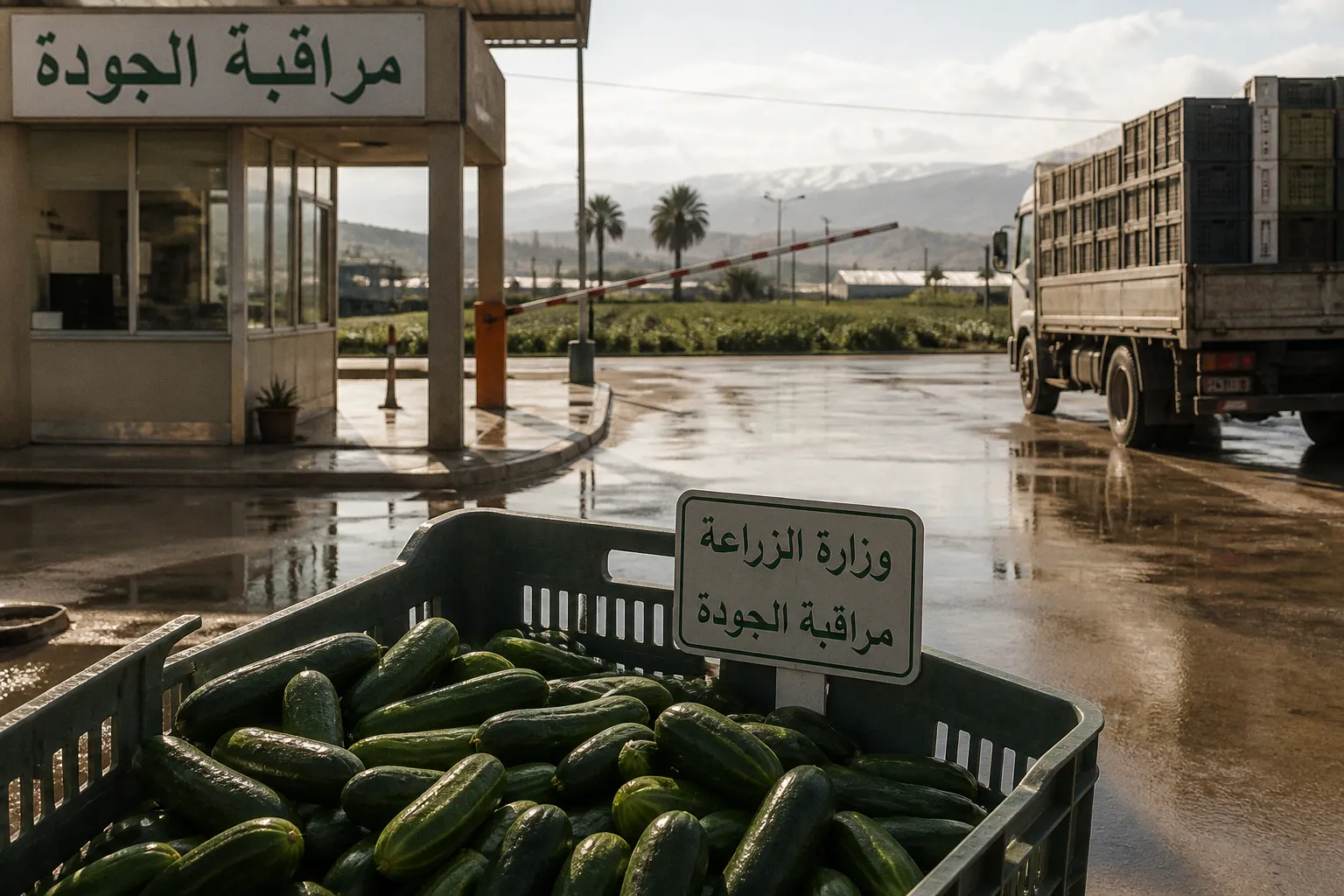
The brief announcement signals a renewed institutional focus on safeguarding domestic harvests before problems take root—a shift that matters to every cooperative managing quality from the field to the packinghouse.
What the ministry is signaling
While the full scope of the strengthened measures has not yet been detailed in publicly available reporting, the language of "prevention" in our sector almost always touches the same set of priorities: early pest and disease surveillance, stricter pre-harvest interval guidance, phytosanitary checks at collection points, and tighter documentation chains for export-bound consignments. For our growers, this is the work that quietly determines whether a pallet clears Beirut's port or sits waiting for a re-inspection.
In practical terms, prevention is what keeps an entire season's cooperative effort intact. A single rejected shipment can ripple back through the sorting line, the field crews, and the smallholder farms supplying the lot. We have all watched that ripple in past seasons.
What cooperatives should verify now
A practical first step after this kind of announcement is to check where your cooperative already stands against the ministry's existing prevention protocols. Review your spray records, your harvest-to-collection timing logs, and your traceability paperwork. If any of those documents have gaps, the days between now and the next export window are when to close them—collectively, not alone.
It also helps to coordinate with neighboring cooperatives in your region. Prevention works best when collection points across a valley share the same baseline: aligned treatment schedules, consistent residue testing, and a shared calendar of field walks. Our growers have always done their best work when they pool observations rather than guarding them.
Keeping our eyes on the field
We will be watching for the ministry's full technical guidance and any cooperative-facing briefings that follow. If you receive clarification from your local agriculture office or regional chamber, bring it back to your group—those notes often travel faster through informal channels than through official circulars. The more our growers arrive prepared, the more our collective harvest holds its value on the international shelf.