Asia Fruit Logistica Opens Its Doors as International Exporters Seek New Markets
The 19th edition of Asia Fruit Logistica opened its doors with more than 760 exhibitors from 41 countries crowding the floor, according to eComercio Agrario — and for Lebanese cooperatives watching…
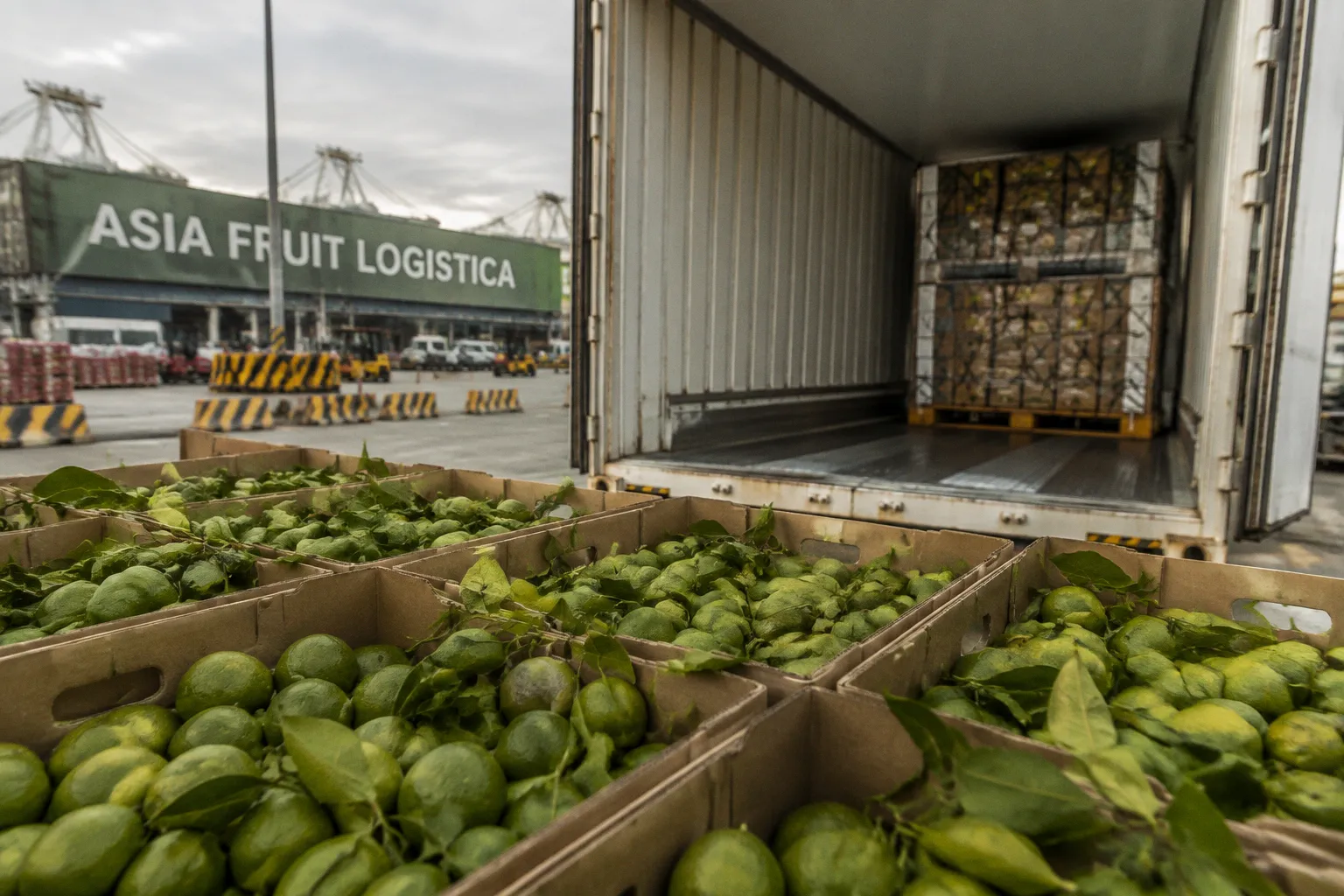
Hong Kong just lit up the global produce map. The 19th edition of Asia Fruit Logistica opened its doors with more than 760 exhibitors from 41 countries crowding the floor, according to eComercio Agrario — and for Lebanese cooperatives watching from Beirut, Sidon, and the Bekaa, that floor is where the next contract window lives.
The Pressure Behind the Pivot
Before you book a flight, look at the macro signal. The UN Food and Agriculture Organization reported an increase in its global Food Price Index for August 2026, driven by tightening supply balances and trade constraints across key agricultural commodities, per ReliefWeb. Translation: buyers are nervous, cargo space is tightening, and the table is shifting toward suppliers who can guarantee volume and cold-chain integrity. If you run pomegranates, citrus, grapes, or avocados out of Lebanon, that pressure is your entry ticket, not your exit sign.
The Gulf Door Is Creaking Open
Separately, UPPERNEWS reports that Elite Agro is exploring Lebanese agriculture for Gulf supply chain expansion. The snippet is thin — no volumes, no commodities named, no timeline — so treat it as a live signal, not a signed deal. What matters operationally: a Gulf-facing aggregator is sniffing around Lebanese origin. If you sit inside a cooperative with post-harvest capacity and a packing house that meets phytosanitary baselines, this is the moment to update your grower list, your GlobalG.A.P. certificates, and your transit-window math for Jeddah and Dammam reefer lanes.
Your Asia Fruit Logistica Playbook
If you're sending a delegation — or just a scout — to Hong Kong, run this before you board:
- Pin three buyers per SKU. Don't wander the hall cold. Map exhibitors by country, then pre-book 15-minute slots for citrus, table grapes, stone fruit, and pomegranates.
- Lock your cold chain numbers. Show transit time from Beirut port to buyer DC in hours, not vague windows. Reefer integrity at +2°C to +8°C is the difference between a PO and a polite handshake.
- Bring phytosanitary paperwork. Lebanese consignments get flagged on documentation more than on produce. Originals, certified copies, and pre-cleared templates cut dwell time.
- Quote two price tiers — CFR and CIF — with clear Incoterms. Gulf and Asian buyers want one-page offers, not PDF essays.
- Flag your seasonality gaps. If you can't ship year-round, say so now and pre-sell slots to avoid spot-market exposure when the FAO index keeps climbing.
What to Track This Week
Three signals will tell you whether the Asia Fruit Logistica buzz converts into real Lebanese tonnage: confirmed buyer visits to Lebanese packhouses through Q4, any phytosanitary protocol updates for citrus and pomegranates heading to Asia, and whether Elite Agro's Gulf exploration turns into a named sourcing MOU. Watch those, not the headlines. The deals that move containers are signed in the back of the exhibition hall, not on the press release.