Logistics Lessons for Lebanese Growers from South Africa’s Export Strategy
According to reports from Moneyweb and Fruitnet, South Africa is urgently preparing its Cape Town port for the upcoming deciduous fruit export season to avoid massive losses, while simultaneously…
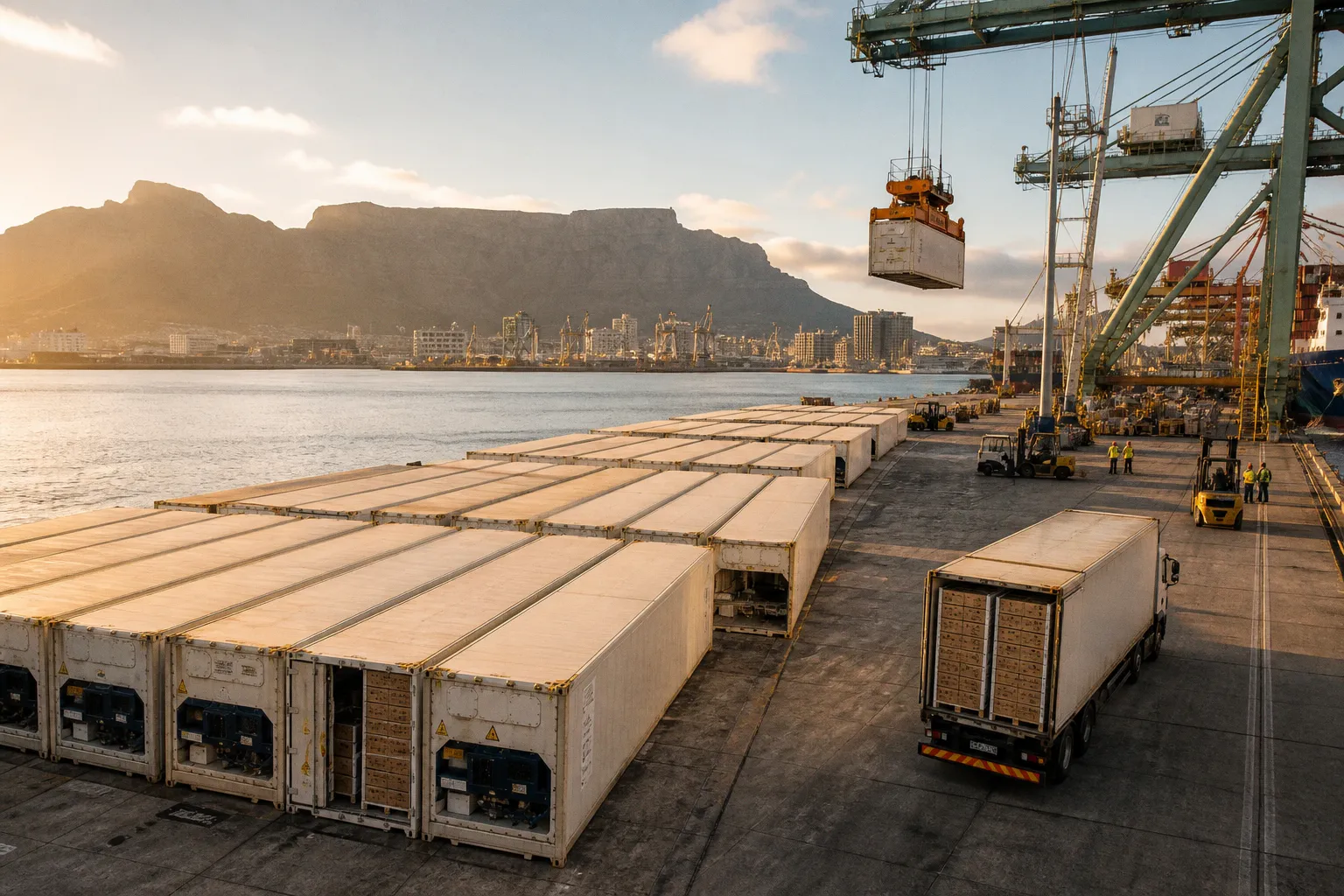
We're seeing two significant developments in global fresh produce logistics this week, and for our growers in Lebanon, they offer both a cautionary tale and a model of success. According to reports from Moneyweb and Fruitnet, South Africa is urgently preparing its Cape Town port for the upcoming deciduous fruit export season to avoid massive losses, while simultaneously celebrating a decade-long breakthrough with India on citrus treatment protocols. These moves highlight the relentless pressure and complex negotiations required to get our harvests to market reliably.
A Port in the Storm: The Logistics Lesson
The situation at Cape Town is a stark reminder that even the best harvest can be stranded by logistical bottlenecks. Transnet, the state logistics firm, is implementing measures to prevent what could be multi-billion rand losses. For our cooperatives, this underscores a critical point: our export pipeline is only as strong as its weakest link. Whether we're shipping through Beirut or using regional hubs, proactive coordination with port authorities and logistics partners isn't just helpful—it's essential to protect our collective yield and income. We must build those relationships now, not when the trucks are already waiting.
A Decade of Dialogue Pays Off in India
On a more hopeful note, the news from India shows what sustained, technical partnership can achieve. After nearly ten years of negotiations, Indian authorities have approved new fruit fly cold treatment options for South African citrus. This isn't just a win for citrus; it's a blueprint. It demonstrates that overcoming phytosanitary barriers requires persistent, science-backed engagement between industry bodies and governments. For Lebanese exporters facing similar hurdles with new markets, this is the path forward: combining our field expertise with rigorous research to meet international standards, one protocol at a time.
What This Means for Our Collective Effort
These stories from South Africa are not distant problems. They are direct reflections of the challenges we navigate together. The port delays remind us to scrutinize our own logistics chains for vulnerabilities. The India deal inspires us to persist in our technical dialogues with target markets. Our strength lies in sharing this intelligence, learning from global peers, and applying those lessons to strengthen our own cooperatives. Let's use this as a catalyst to review our export plans, engage our logistics contacts, and double down on the technical work that opens doors.