Scaling Lebanese Agricultural Exports Through Strategic Logistics and Traceability
Vietnam's Logistics Business Association is sounding the alarm: freight rates are climbing and supply chain transparency requirements are tightening, squeezing the competitiveness of agricultural exports as a result.
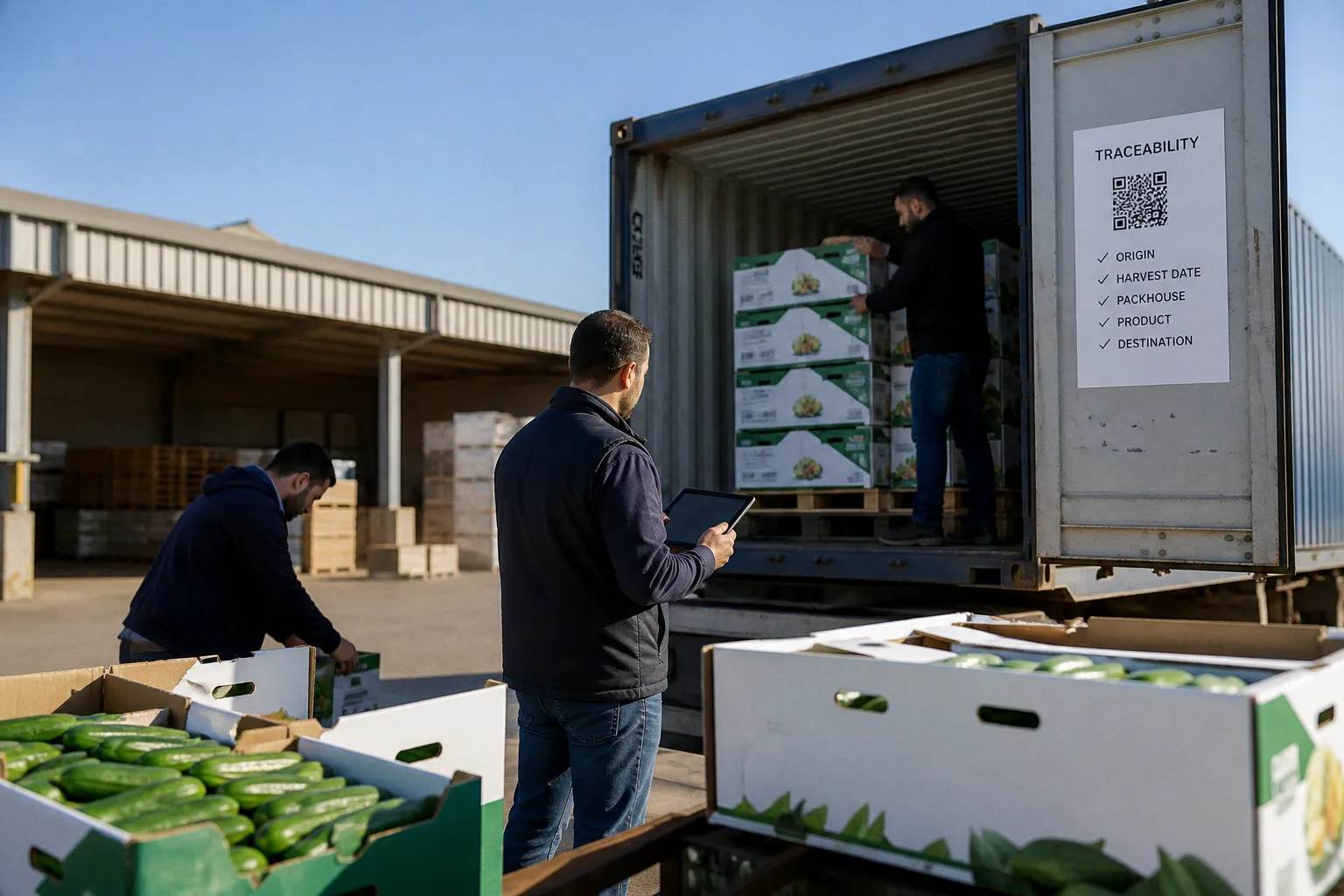
For Lebanese cooperatives shipping fresh produce to Gulf and European buyers, this is not a distant warning—it's your next shipment's margin. The contrast came this week from Rwanda, where the National Agricultural Export Development Board (NAEB) reported agricultural and livestock exports crossing $1.1 billion for the first time in the 2025/2026 financial year, crediting improvements in export infrastructure and product traceability.
The freight problem won't wait
High freight rates are eating into the landed cost of fresh produce, and buyers are demanding traceability documentation most small cooperatives can't produce on demand. Vietnam's logistics experts specifically flagged the lack of coordinated infrastructure investment as the core bottleneck. If you're moving avocados, citrus, or table grapes out of the Bekaa or Akkar, your transit window is shrinking while compliance overhead is expanding. Every extra day at port, every missing phytosanitary data point, costs you the contract—and the next one.
What Rwanda did differently
NAEB's $1.1 billion milestone wasn't a harvest story. It was a logistics story. Export infrastructure upgrades and traceability systems turned Rwandan coffee, tea, and horticulture into bankable volumes for international buyers. That playbook applies directly to Lebanese cooperatives: structured cold chain, documented chain of custody, pre-cleared transit corridors. As the Vanuatu Daily Post reported this month from its National Agriculture Expo, the recurring theme across producing regions is the same—farmer investment alone won't move the needle without downstream logistics capacity behind it.
Operational checklist
- Lock your freight contract. Fix rates before the next quarter's spike. Spot-market exposure on fresh produce is margin suicide.
- Map your traceability gaps. If you can't produce lot-level origin documentation in under 24 hours, you're already behind the Rwanda benchmark.
- Pressure-test your cold chain. Pre-cool to target temperature before loading, not after. Cold chain breaks at transshipment, not transit.
- Put transit windows in writing. Verbal ETAs don't survive port congestion. Bake penalties and fallback routing into your freight terms.
- Consolidate volumes with neighboring cooperatives. Shared containers at TEU-level planning cut per-unit freight cost and improve buyer leverage.
The Vietnam warning and the Rwanda result point to the same conclusion: logistics is the export gate. Cooperatives that treat it as a cost line will lose to those treating it as a competitive weapon.