How Lebanese Cooperatives Can Leverage New Ministry Price Bulletins for Fairer Trade
Lebanon's Ministry of Agriculture has rolled out its latest wholesale and retail price bulletin, covering meat, vegetables, fruit and milk for August 17–19.
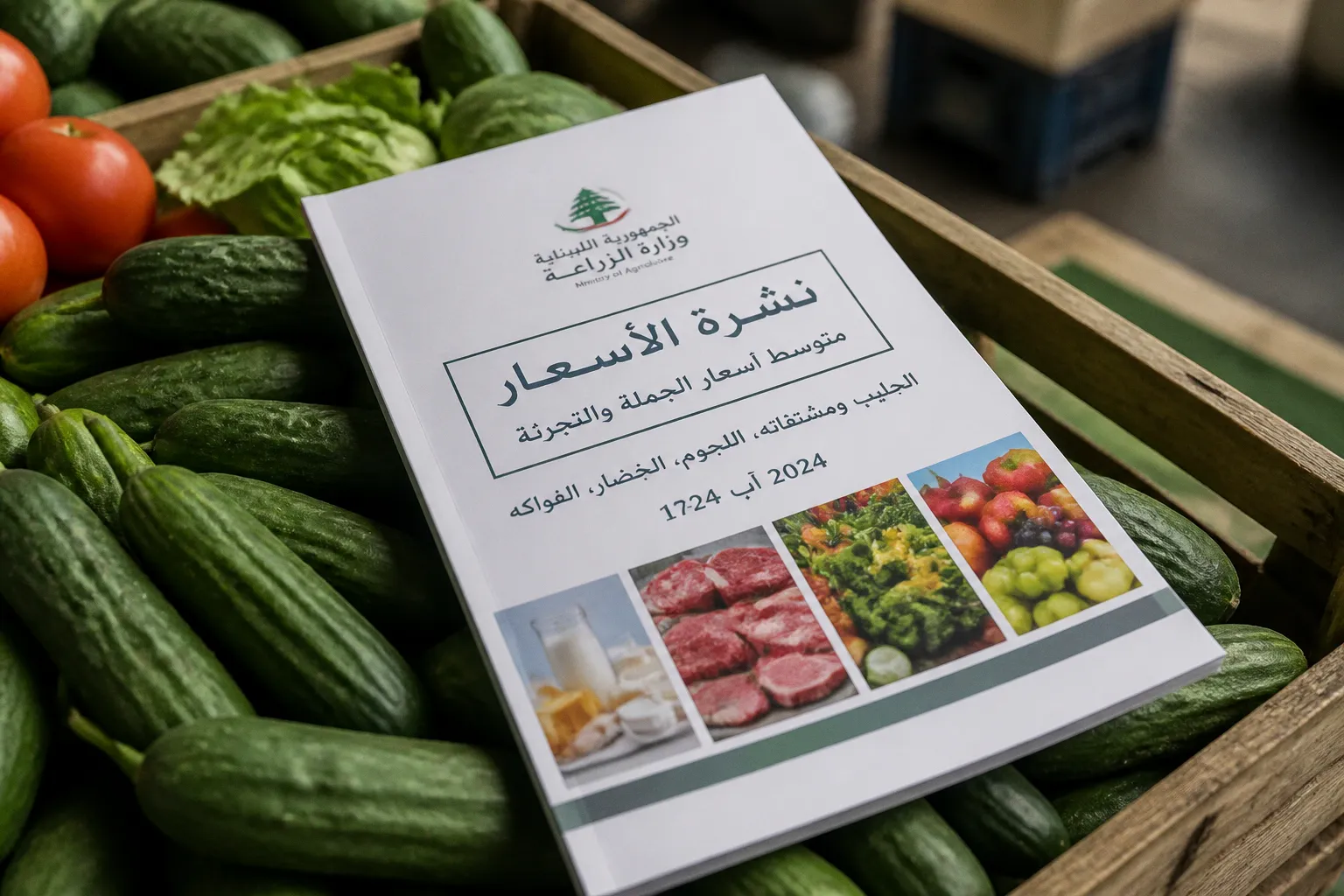
The release is part of the ministry's daily price-monitoring effort — and for our growers and cooperative leads, it's the kind of transparency that turns gut-feeling negotiations into informed ones.
What the bulletin gives us
For three days at a stretch, we now have a shared reference point: average wholesale and retail prices across key categories. That's more than a spreadsheet on a ministry page. When a cooperative in the Bekaa is benchmarking what its tomatoes or leafy greens should fetch at the wholesale floor, or when a dairy collective is mapping how milk prices move alongside feed costs, this is the kind of data that keeps conversations grounded. It narrows the gap between the farmer who tracks every fluctuation and the buyer who arrives with a number already in hand.
How we put it to work
The practical question every cooperative asks next: how do we actually use a bulletin like this? A few shared steps we've walked through before, refreshed for this release:
- Cross-check before you commit. Pull the ministry's averages the morning of any bulk sale, then compare them against what your last three transactions actually cleared. If the gap is widening, you have something concrete to raise with your buyer.
- Share it across the cooperative. The bulletin only matters if it travels — post it at the collection point, in the shared group chat, at the sorting table. Price awareness spreads faster when it's a collective habit, not a solo project.
- Pair it with your own yield notes. A blemish-free harvest at peak volume belongs near the upper end of that range, not the middle. Your quality data layered with the ministry's average gives you a defensible floor.
- Watch the rhythm. Daily monitoring means the picture shifts. Track what changes between bulletins — even small moves in fruit or milk pricing can signal what's coming through the wholesale channel in the weeks ahead.
What we're keeping our eyes on
The bulletin covers a narrow window, so the next question is consistency. Daily monitoring is only as useful as it is dependable. We'll want to see how often the ministry publishes, whether vegetables and fruit receive the same depth of coverage as meat and dairy, and whether regional wholesale markets — not just national averages — find their way into future releases. For now, this is a step worth folding straight into our weekly cooperative routine, and one our growers can build on together.