Lebanon Releases Official Price Benchmarks for Fresh Produce and Dairy Products
According to the Lebanese Ministry of Agriculture, the latest monitoring bulletin publishes average wholesale and retail prices for meat, vegetables, fruit, and milk for August 31 through September 3, 2026.
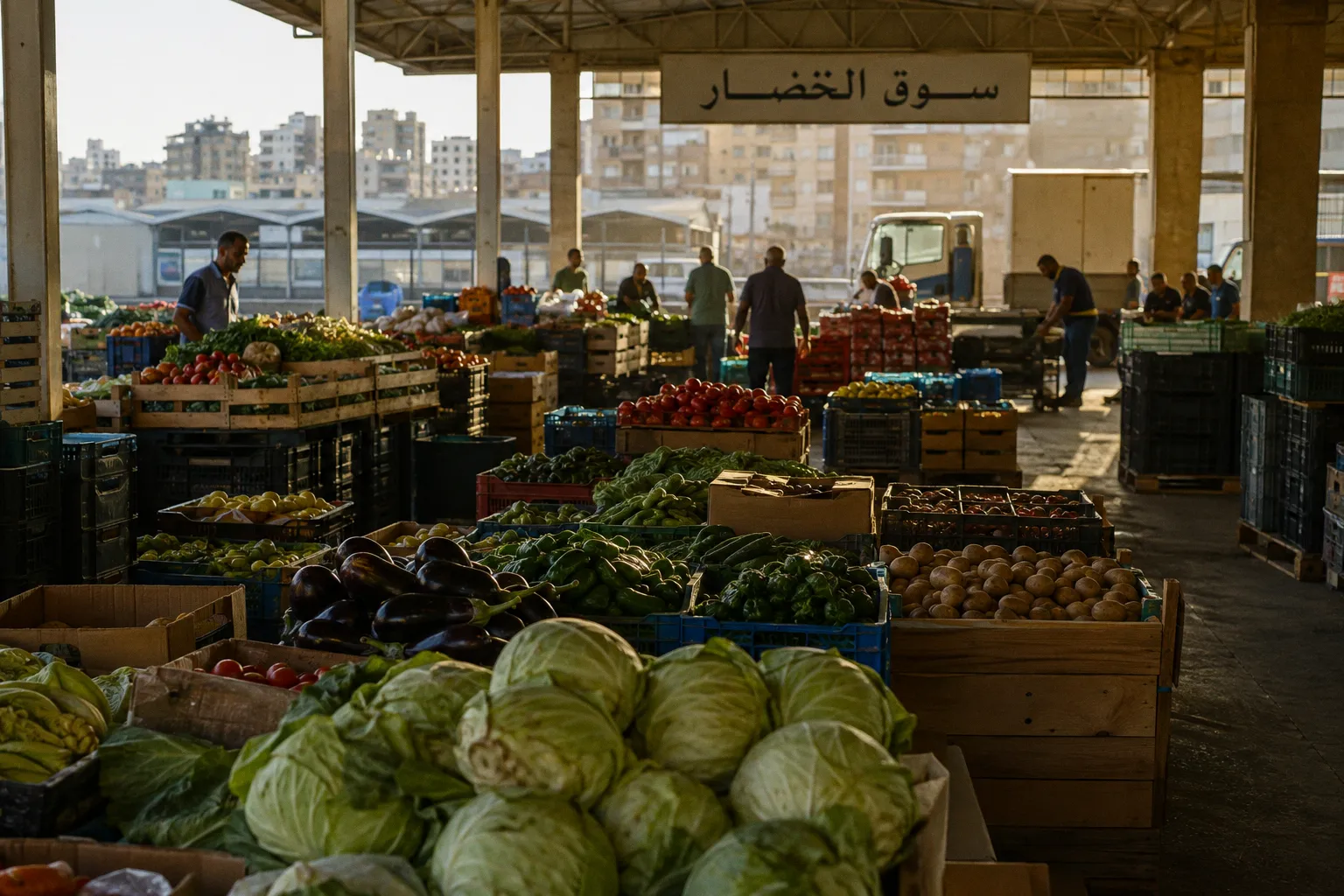
The ministry says the bulletin is intended to improve market transparency and limit manipulation—a useful reference for our cooperatives as growers, traders, and buyers try to read the market without losing sight of the real value of fresh produce.
A shared reference for a fragmented market
For agricultural groups, price information is most useful when it becomes a common starting point. A cooperative can use the ministry’s averages to compare the prices recorded in its own sales channels, while keeping wholesale and retail figures clearly separated.
That distinction matters. A farm-gate or wholesale price reflects one stage of the journey; a retail average reflects another, after handling, transport, storage, and selling costs may have entered the chain. The bulletin does not, in the available information, provide a price for every individual product or transaction, so it should be treated as a market reference rather than a promise of what every grower or buyer will receive.
For our growers, the practical first step is simple: record the date, product, grade, quantity, and selling channel alongside each transaction. A crisp crate of produce and a mixed-quality lot should not quietly become the same comparison point. Good records allow a cooperative to see whether a difference comes from market movement, produce quality, timing, or the route to market.
What cooperatives can check now
The bulletin covers vegetables and fruit alongside meat and milk, giving produce groups a broader view of the food market. That does not replace local records, but it can help members ask better questions when prices shift.
A cooperative reviewing the bulletin can:
- compare its wholesale sales with the corresponding market average;
- keep retail references separate from prices received by growers;
- note whether a product was sold fresh, sorted, packed, or through another channel;
- bring the figures into a shared member meeting rather than leaving each grower to interpret the market alone;
- flag large differences for further checking before changing a planting, packing, or sales plan.
This kind of collective review is especially valuable when market information is uneven. One grower may see a strong price at a single outlet, while another faces a weaker offer elsewhere. A shared record does not erase those differences, but it makes them visible and gives the group a firmer basis for negotiation.
Transparency only works when we use it together
The ministry’s stated aim is to improve transparency and limit manipulation. For cooperatives, the lasting benefit will depend on how consistently the information is used alongside field-level evidence. A published average can help us challenge an unclear quote, but it cannot by itself explain quality, delivery timing, losses, or the cost of moving produce.
The most useful habit is therefore to treat each bulletin as one checkpoint in an ongoing market log. Save the date of the reporting period, match it with cooperative sales records, and review the comparison with growers who handled different products or routes. Over time, that shared effort can give our communities a clearer picture of where value is being created—and where better coordination, cleaner grading, or stronger market links may be needed.