Lebanon Moves to Cut Middlemen with Direct Farm-to-Consumer Sales Initiatives
, Agriculture Minister Nizar Hani met with savings cooperatives to talk about buying crops straight from farmers — a conversation our grower groups have been pushing for, because every intermediary…
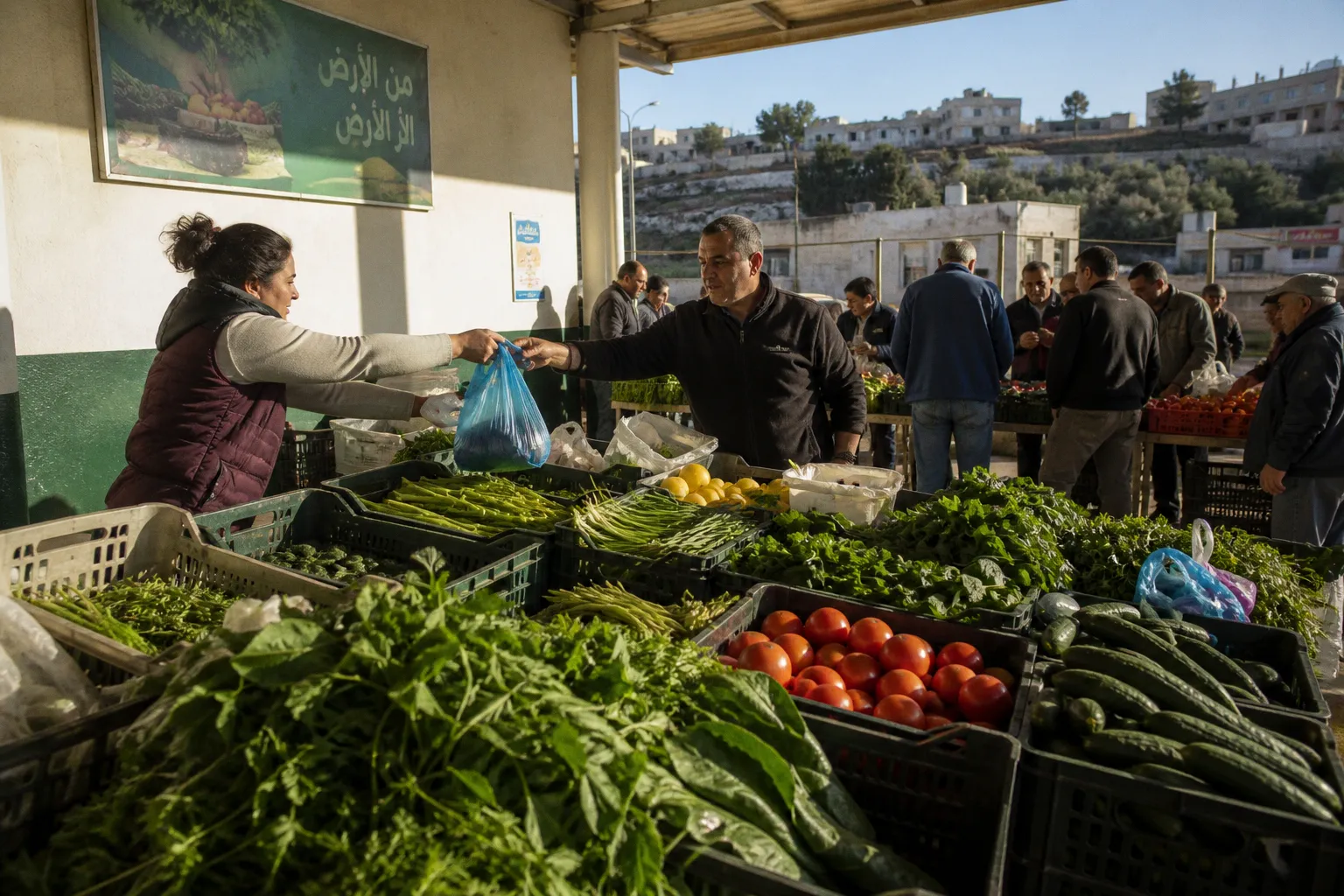
, Agriculture Minister Nizar Hani met with savings cooperatives to talk about buying crops straight from farmers — a conversation our grower groups have been pushing for, because every intermediary between the field and the shelf takes a bite out of returns that should be landing in cooperative accounts. According to the Ministry of Agriculture, the meeting focused on cutting those middlemen and improving producer returns, and the minister also reviewed a proposed digital-marketing project from Akkar designed to link producers directly with consumers. The timing matters: nothing has rolled out yet, which means this is the window where our input shapes what actually gets built.
What the Ministry Is Exploring
The direct-purchasing angle is exactly the lever our cooperatives have chased for seasons. When savings cooperatives step into the buyer role, the value chain shortens — and more of what a harvest is worth stays with the grower who put in the work. Alongside that, the Akkar digital project caught our attention because it targets the consumer end of the chain: a platform where farmers and buyers meet face to face, without the layers of traders in between.
Neither piece is finished. The cooperative purchasing framework is still being discussed, and the Akkar platform is a proposal under review. For us, that is not a gap — it is an opening.
What Our Cooperatives Should Prepare Now
If you sit on a cooperative board, or your savings group works alongside growers, here is the groundwork worth doing before the next round of meetings:
Map your harvest calendar. Direct buying only works if we can promise consistent supply week after week, not just at peak. Walk through your crops, your typical yield windows, and where you already have standing orders. Any gaps in that calendar will be the first thing a new scheme tests.
Write down your quality standards in plain language. When intermediaries disappear, the buyer and the farmer meet directly, and our grading, sizing, and packing language has to be unambiguous. Crisp, blemish-free, properly graded, packed to travel. Spell it out the way a buyer in a distant market would need to read it on a printed page.
Survey your members about a direct-to-consumer platform. A digital tool only delivers if our growers are ready to use it. Ask who already sells at roadside stands or through social channels, what frustrations they have, and what would make such a platform worth their time.
Track what percentage of your final sale price currently reaches the farmer. Hard numbers give our cooperatives real leverage when we sit across from ministry staff and ask whether the direct-buying plan will actually shift that ratio — not just on paper, but in our growers' pockets at the end of the season.
The Path Forward, Together
We have watched cooperative conversations end in ministry press releases and never reach the packing house. What is different this time is that both halves of the plan — cooperative purchasing and the Akkar digital project — are concrete enough for us to push on. We know what direct buying should look like in practice. We know what a farmer-to-consumer platform needs to deliver to actually serve our growers.
Our collective effort is what turns a meeting into a market.