Lebanon's Agricultural Divide: Corporate Strategy Versus Southern Recovery
On one side, major agro-enterprises are reshaping their operations around inflation and shifting trade conditions, as outlined in a recent industry report covered by Executive Magazine.
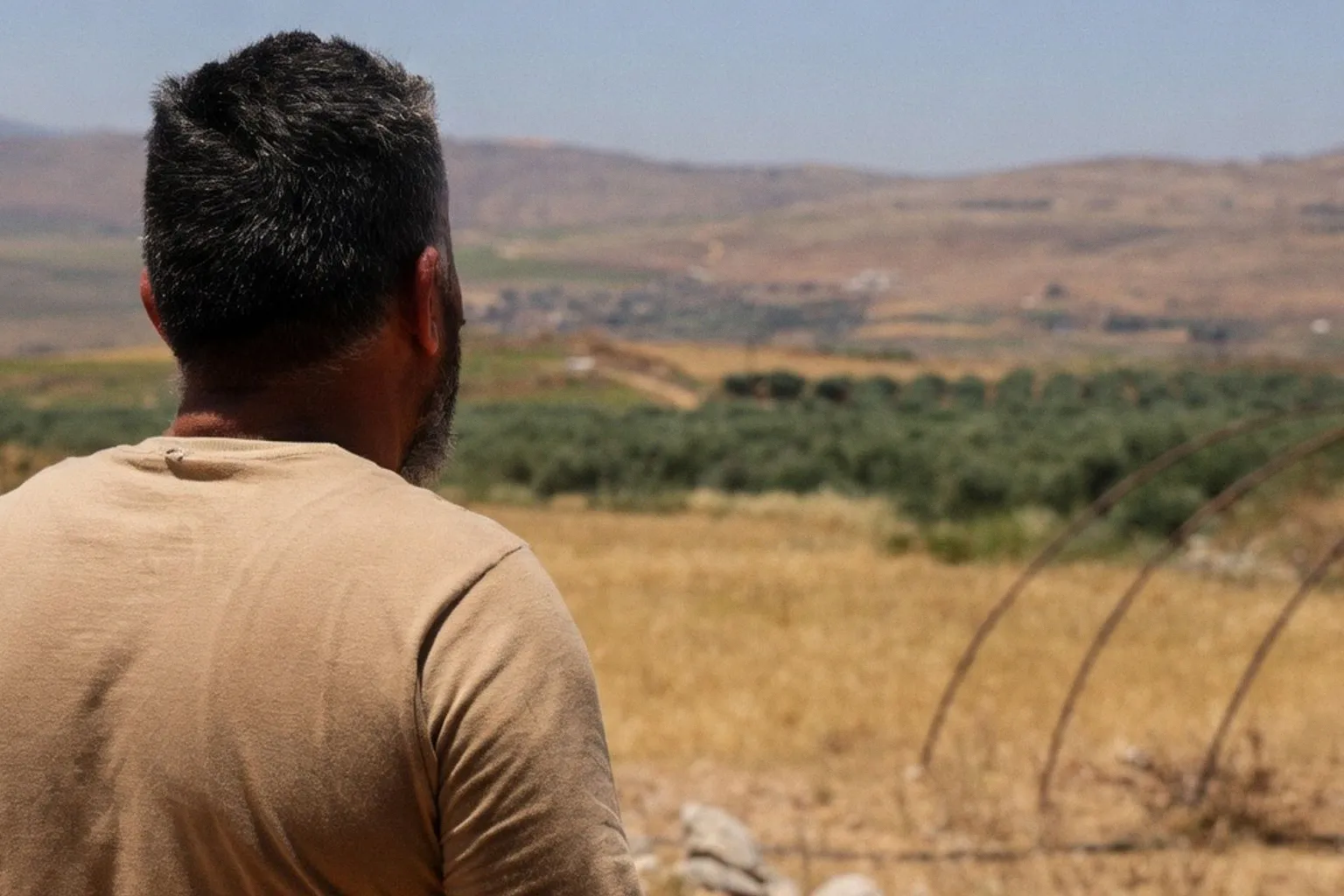
Two Lebanese food stories are unfolding at the same time, and they pull in opposite directions. On one side, major agro-enterprises are reshaping their operations around inflation and shifting trade conditions, as outlined in a recent industry report covered by Executive Magazine. On the other, producers in the south are working through damaged fields and emergency relief channels, with cooperatives and municipal leaders meeting the Minister of Agriculture to map a path forward.
The enterprise pivot
According to Executive Magazine's reporting, larger Lebanese players are not standing still. Agrifresh in the Bekaa Valley, the southern juice processor Balkis, and the national fresh produce network Biomass are recalibrating how they source inputs, run their supply lines, and position their volumes. The report frames these moves as responses to domestic inflation layered with regional operational pressures, the kind of squeeze that forces a cooperative or processor to rethink everything from supplier contracts to cold-chain scheduling. For our growers watching from the sidelines, the takeaway is that the bigger names are treating cost discipline and footprint flexibility as survival skills, not luxuries.
Southern fields under pressure
The same week brought a sharper set of numbers from the south. Anadolu Agency reported that Israeli attacks have damaged 22.5% of agricultural land in southern Lebanon, a figure that lands heavily on the producers already working the most exposed border belts. Into that gap stepped Lebanese Minister of Agriculture Nizar Hani, who met with delegations from the Southern Farmers' Union and municipal representatives to discuss urgent recovery support and credit facilities under the GATE project, a program aimed at agricultural cooperatives and producers in the affected areas. The meetings signal that emergency financing and cooperative-level relief are moving through formal channels, though how quickly those resources translate into replanting, equipment, and working capital on the ground remains the open question.
What our cooperatives can act on now
This is the moment where the two realities meet, and where our collective effort matters most. For cooperative boards and union representatives in unaffected regions, a few practical steps can keep the pipeline healthy while southern members stabilize. First, track the GATE project eligibility criteria closely, because credit facilities announced in ministerial meetings are only useful once the application paperwork is understood and queued. Second, use the breathing room that enterprise-level pivots create: if Agrifresh, Balkis, and Biomass are restructuring supply footprints, there may be room for cooperatives to step into processing or aggregation roles that were previously locked in. Third, document field damage and operational disruptions with timestamps and photos, so that when recovery support flows, claims are ready rather than reconstructed. We have seen before that the cooperatives that come through a hard season are the ones that share the load early, lending equipment, pooling transport, and matching surplus from one valley to shortages in another. The diverging realities do not have to stay divergent; they call for the kind of bridge-building our movement does best.