How Escalating Conflict in Southern Lebanon Threatens Agricultural Supply Chains
When airstrikes shake southern Lebanon, the ripple reaches far beyond the blast zone — straight into the orchards, packing houses, and collection points our growers depend on.
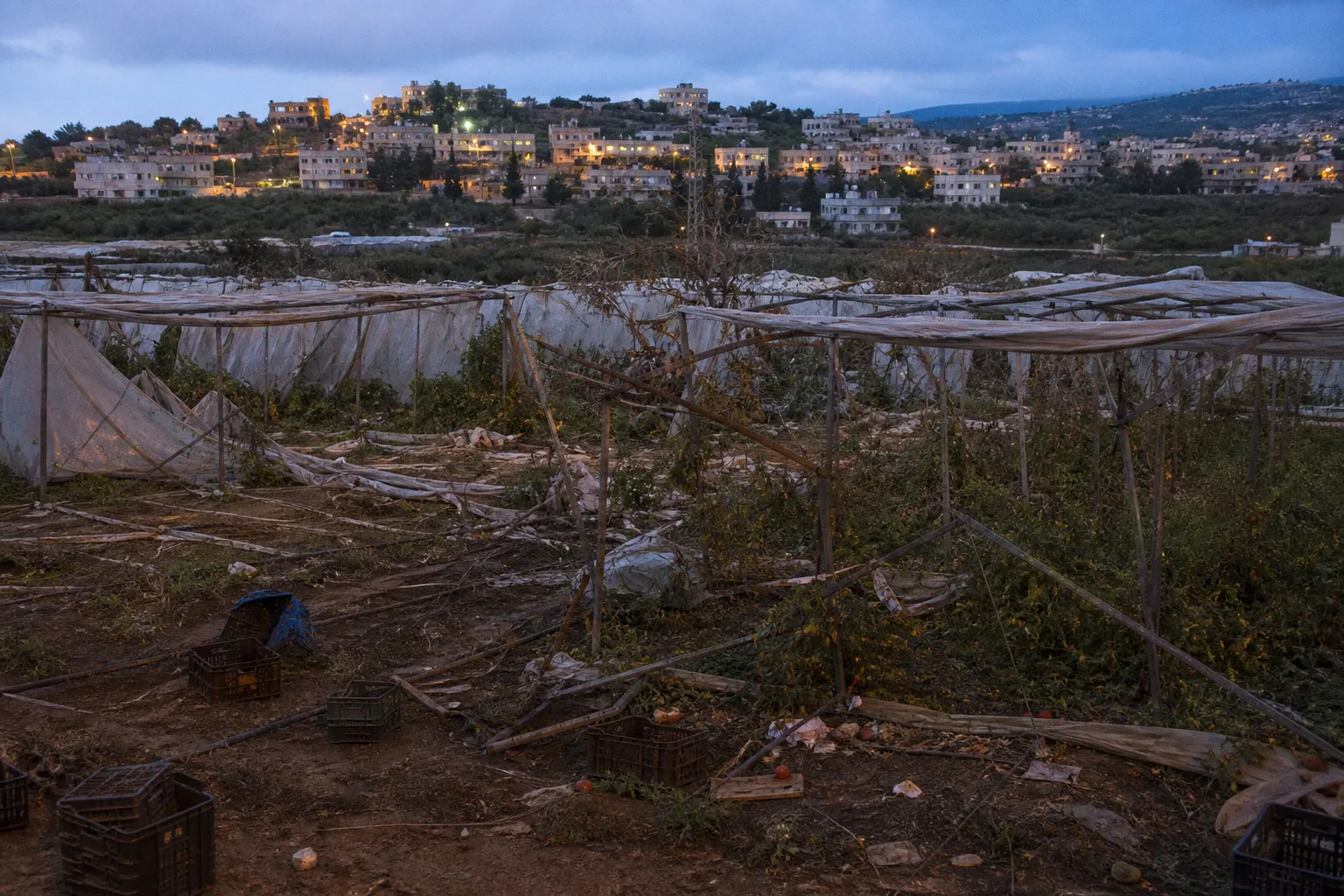
Reports emerging today from regional wire coverage confirm that intensified Israeli attacks are pushing Lebanon's already strained economy into deeper trouble, with bombings reported over two towns in the south leaving multiple casualties. For those of us who work alongside Lebanese farming cooperatives, this news lands with a familiar heaviness: we have seen how quickly conflict turns into lost harvests, blocked roads, and canceled shipments.
What our cooperatives are bracing for
Conflict in the south rarely stays confined to the news cycle. For cooperative members in the Bekaa and Akkar, the pattern is well worn — transportation routes through affected corridors become unreliable, cold-chain logistics stall, and buyers abroad begin asking questions no one on the ground can yet answer. The economic pressure that follows these attacks tends to compress quickly, squeezing the margins our growers operate on and making it harder to meet the grading and sizing standards that European and Gulf markets require.
We should be honest with each other here: even without fresh details beyond what regional outlets have published, the trajectory is one our community recognizes. When the broader Lebanese economy contracts under this kind of shock, cooperative financing tightens, input costs climb, and the careful work of building export-ready supply chains takes real damage.
Where collective effort matters most now
This is the moment where our shared frameworks carry their weight. Cooperatives that pool resources — shared refrigerated transport, collective sorting facilities, joint negotiations with freight partners — tend to absorb shocks better than isolated farms. In the days ahead, our growers will need clear communication channels between collection points, realistic contingency plans for southern route disruptions, and steady coordination with the ministries and trade bodies that keep export documentation moving.
We will be watching the situation in the south closely, because every orchard there is part of the same harvest season we all share. The work ahead is not glamorous — it is phone calls, route adjustments, and standing by our growers when the headlines move on but the fields still need tending.