How Border Conflict Is Destroying Southern Lebanon’s Fruit Orchards
Xinhua's reporting from southern Lebanon, a second consecutive summer has slipped past untended for thousands of fruit growers along the border.
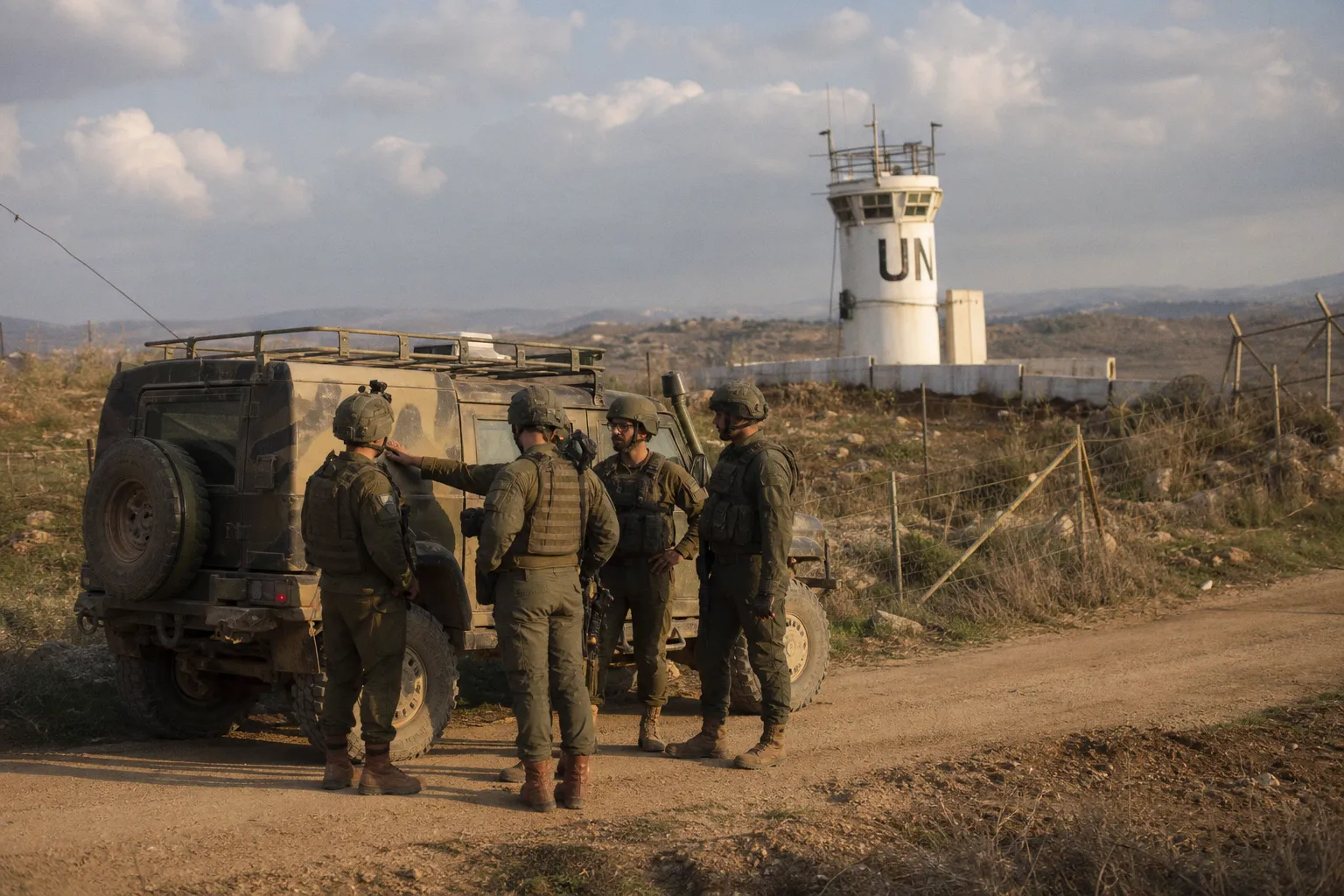
More than 56,320 hectares of orchards in the country's southeast — our southeast, where grapes, apples, cherries, persimmons, peaches, and pears define both the harvest calendar and household income — have gone without their keepers. For those of us who work alongside cooperatives year-round, this is not just a season lost; it is the slow erosion of the trees themselves.
A second season changes everything
Last year we read about unreachable orchards and felt the urgency. This year the math has shifted, and every grower in our network knows it. A joint assessment by Lebanese authorities and the United Nations placed agricultural production losses at roughly 530.5 million U.S. dollars between March 2, when cross-border fighting reignited, and April 16, when a ceasefire entered into force — and that figure captures only the first weeks. Israeli airstrikes have continued intermittently since the ceasefire, keeping growers like Mohammad Shibli, who farms two kilometers from the town of Shebaa, from walking his rows. Mohammad Yassin, another farmer quoted by Xinhua, put a normal year at around 27,000 tons of summer fruit from the region. This year, that harvest has simply been left to fall.
What two untended years do to a tree
Here is what worries our cooperative community most, and what we want every member and partner to understand clearly. Fruit trees are not annual crops we can replant next spring. They need plowing, pruning, irrigation, and regular pest control to stay productive, and when those routines are skipped for two consecutive seasons, the trees themselves begin to weaken. Agricultural engineer Hassan Hamdan, also speaking to Xinhua, warned that restoring orchards after years of neglect will be more difficult and costly, and that some trees may never return to their previous level of production. This is the part the headlines tend to miss: even if access is restored tomorrow, our growers are not returning to the same orchards they left behind.
Where our shared work begins
Our growers are asking for something simple and long overdue — safe, reliable access to their land. Qassem Najm, mayor of Hebbariyeh in the Arqoub region, told Xinhua that landowners have lost both their harvests and their ability to maintain and protect their orchards, and urged authorities to secure safe passage so what remains of the season can be salvaged. In the weeks ahead, we will be watching three things closely: whether coordinated access windows open for pruning and pest control before winter dormancy, what the assessment translates into in actual support packages for cooperative members, and whether long-term replanting costs are addressed, not just this season's fallen fruit. If you sit with a cooperative whose members farm in the southeast, now is the moment to walk the records, count every living block, and bring those numbers to whoever is at the table. Our collective recovery begins before the next harvest, not after it.