Managing Energy Costs: How New Generator Pricing Impacts Lebanese Agricultural Collectives
According to news outlet وردنا, Lebanon's Ministry of Energy has announced fair-pricing measures for private generator operators covering the month of August.
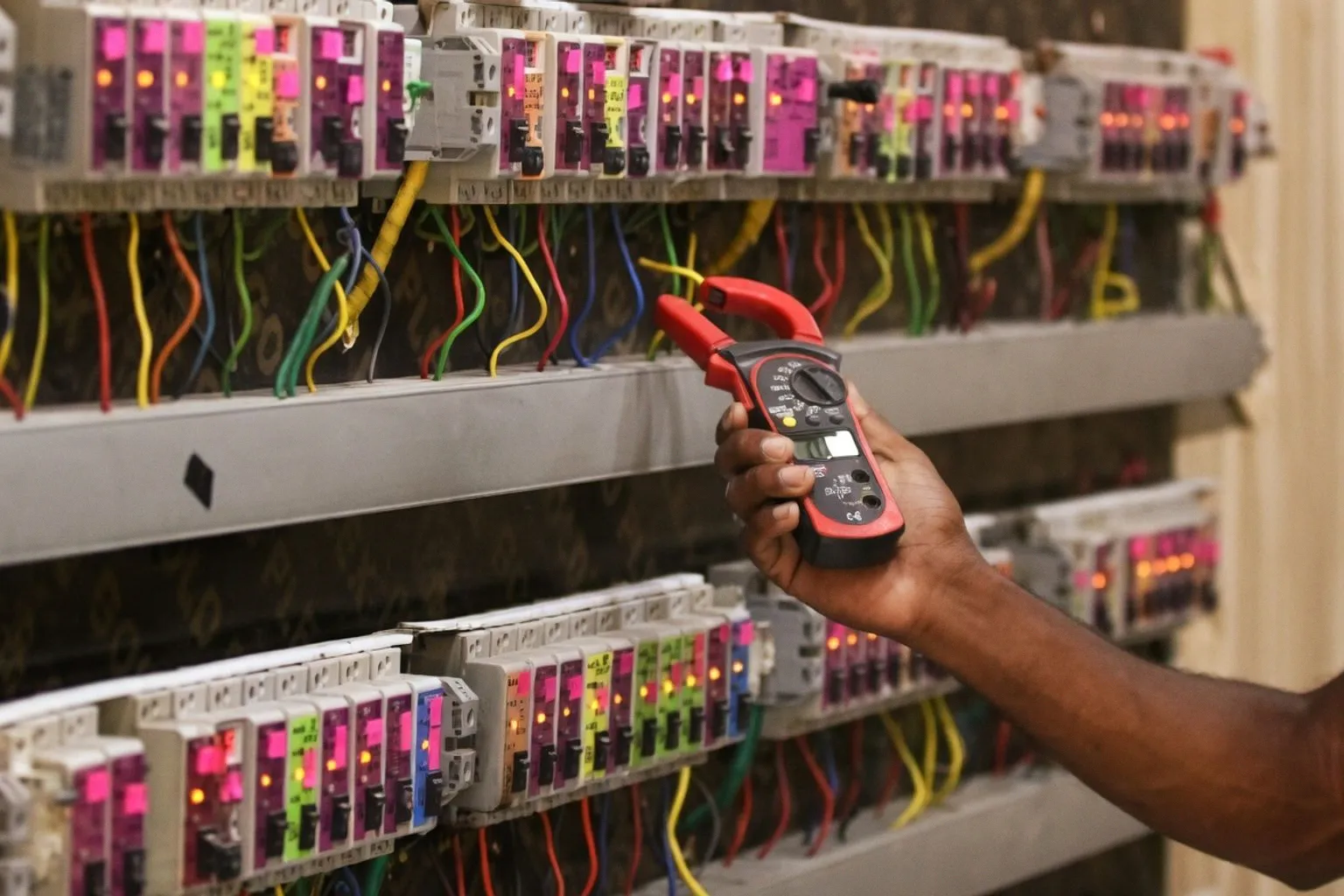
For our growers and packinghouse collectives, the announcement itself matters as much as the fine print: every kilowatt-hour we pay flows through the cold chain, the irrigation pumps, and the sorting rooms that keep Lebanese produce export-ready, and a clearer pricing reference point from the Ministry is something we can build into how we plan our late-summer operations.
The cost hidden in plain sight
Private generator overhead is one of those line items every cooperative learns to live with — until it quietly reshapes what a kilogram of apples or a crate of tomatoes actually costs to bring to market. When each neighborhood negotiates rates with its own operator, our collectives end up absorbing a patchwork of charges that no single invoice truly explains. The Ministry's move to publish a fair-pricing benchmark for August, as وردنا reports, gives us, for the first time in a while, a shared number to measure our bills against. That shared number is the beginning of any honest cooperative conversation about energy costs this season — and it arrives at exactly the moment our late-summer harvests are pulling the hardest on our generators.
A practical checklist before the month closes
We can turn this announcement into action in three steps, even before the full tariff schedule reaches every village. First, gather last month's generator invoices from every shared facility — cooling rooms, grading lines, pump stations, packhouses — and log the rates side by side in one shared document; a clean baseline is the only way to see whether the new benchmark is being honored where we actually work. Second, confirm with your local municipality or the relevant energy office where the Ministry's pricing guidance has been formally circulated and where it still hasn't reached; an announcement in one place and an unchanged bill in another is a gap worth documenting and escalating for the whole network. Third, bring those numbers, alongside the kilowatt-hours our cold-storage and grading equipment pulled last month, to the next cooperative meeting — so that the real, full cost of keeping our produce crisp and blemish-free finally shows up on the prices we quote our buyers this season.
What we gain if we move together
If even a handful of cooperatives in a single region collect their invoices, compare them against the announced benchmark, and present a unified picture to their municipalities, the conversation shifts from each of us bargaining alone to all of us asking the same question together. That is how an August headline becomes more than a news item — it becomes a tool our growers carry into the next harvest, with steadier margins, fairer bills, and a clearer view of what it really costs to bring Lebanese fruit and vegetables from the field to the world.