Controlled atmosphere reefers: Gulf transit spoilage shifts
For Lebanese fresh produce, the first serious break in the cold chain often happens before the cargo reaches a port, border, or Gulf distribution centre.
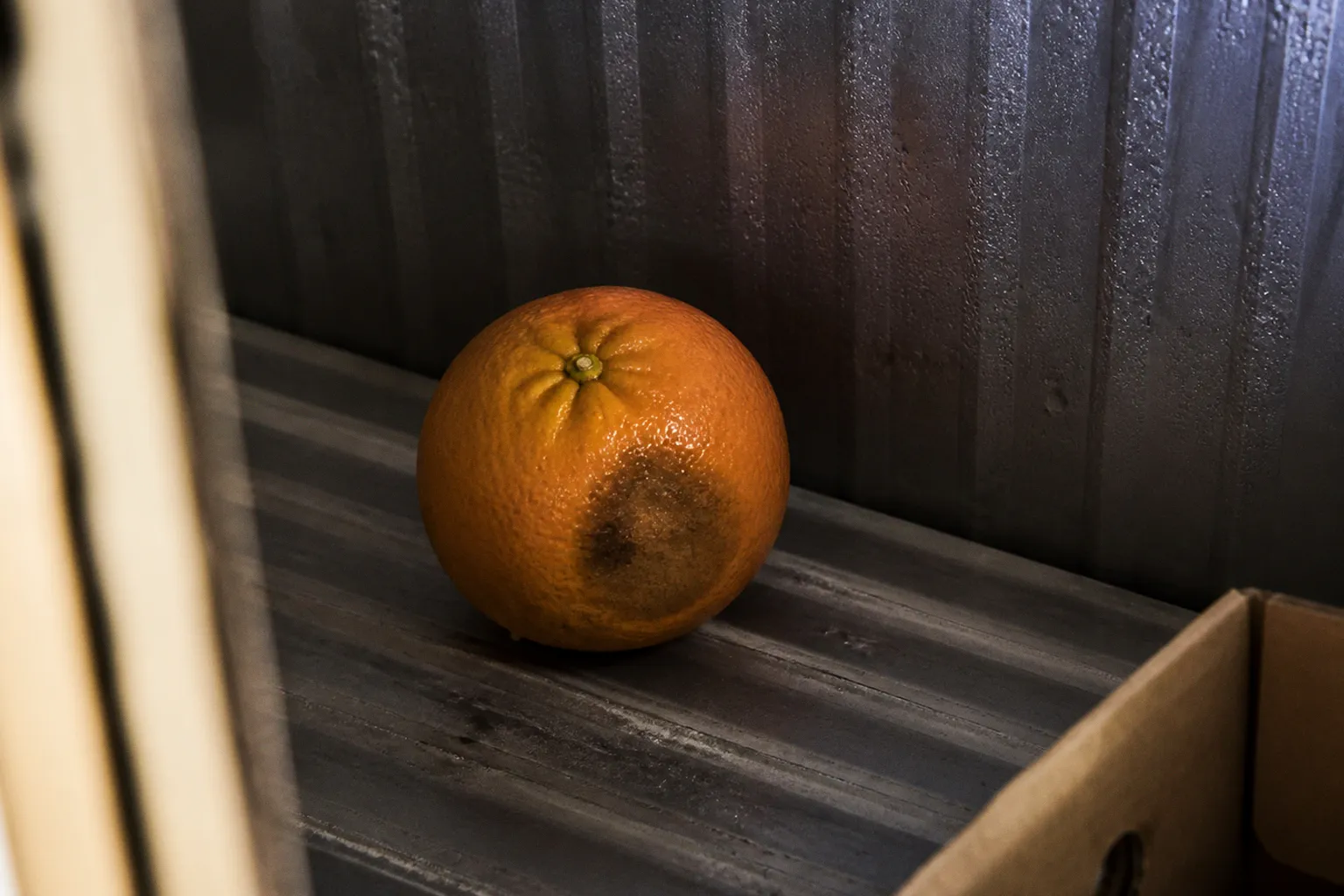
Controlled Atmosphere Reefers: Reducing Lebanese Export Loss
A pallet can leave the farm looking sound, enter a refrigerated truck, and still carry enough field heat to lose its export window before the journey has properly started.
That risk becomes sharper when Lebanese agricultural exports move through Gulf corridors where summer temperatures can exceed 45°C. Standard refrigeration can lower the air temperature inside a reefer, but it cannot reverse poor pre-cooling, bruising, blocked airflow, or the natural respiration of harvested fruit. For soft fruit, even a 2°C temperature spike can reduce shelf life by up to 50%.
This is why controlled atmosphere reefers are becoming a more consequential tool for Lebanon’s export logistics. They do not replace careful harvesting or proper cooling. They change what happens after those steps have been done correctly: oxygen, carbon dioxide, temperature, and humidity are managed together so that the produce respires more slowly and remains commercially viable for longer transit windows.
For cooperatives shipping to Gulf markets, the technology is not simply a premium container choice. It is a decision about where the supply chain is most vulnerable, which crops justify additional control, and whether the farm, packhouse, carrier, and importer can maintain one continuous handling discipline.
The thermal threshold: why standard refrigeration can fail in Gulf transit
Fresh produce remains biologically active after harvest. It continues to respire, consuming oxygen and releasing heat, water vapour, and carbon dioxide. The warmer the crop, the faster that process runs. A refrigerated container removes heat from the surrounding air, but the product itself may cool much more slowly, particularly when crates are densely packed or the airflow path is restricted.
This distinction matters in Lebanese export operations. A reefer set to the correct temperature is not necessarily carrying produce at the correct temperature. If grapes, berries, stone fruit, avocados, or mangoes enter the container warm, the refrigeration unit must first remove the field heat. During that period, the fruit is still respiring quickly, and condensation may form around packaging or on the product surface.
In a short domestic movement, that delay may be recoverable. On a long route toward Gulf markets, it compounds with every handling event:
- Harvest takes place during a warm part of the day.
- Produce waits in the field or at the cooperative before grading.
- Packed cartons are loaded before the core temperature has stabilised.
- The vehicle door is opened repeatedly at consolidation points.
- A border or port delay interrupts the intended transit schedule.
- The reefer operates in extreme ambient heat and has limited time to correct the temperature profile.
The result is often described as spoilage, but the biological causes are more specific. Some fruit softens before visible decay appears. Some loses firmness, colour, or marketable appearance. Others develop condensation-related mould because humidity and temperature were not balanced during cooling.
A standard refrigerated container controls temperature. It does not automatically control the crop’s gas environment, and it does not know whether the fruit was harvested at the correct maturity or packed with adequate ventilation.
A reefer can hold a temperature setpoint; it cannot repair a crop that entered the box warm, bruised, or biologically overactive.
The 2°C sensitivity gap is particularly important for soft fruit. A temperature spike of that size can cut shelf life by up to half. That is not a minor fluctuation for an exporter. It can determine whether a shipment arrives with enough time for customs clearance, wholesale handling, and retail display—or arrives already outside the buyer’s quality specification.
What Gulf conditions add to the problem
The Lebanese export pipeline has to absorb more than distance. It must absorb heat. Gulf summer conditions along transit corridors can exceed 45°C, placing additional pressure on the refrigeration unit, insulation, loading discipline, and transfer operations.
Extreme ambient temperature affects the system in several ways:
1. The container works harder to remove incoming heat. Every door opening, poorly sealed joint, and exposed loading bay increases the thermal load.
2. The crop’s respiration accelerates when cooling is delayed. Produce that has not been field-cooled remains a source of heat inside the load.
3. Roadside and border operations become critical control points. A stationary vehicle can experience a different thermal profile from a moving one, especially when power supply, shade, or trailer ventilation is inconsistent.
4. Small errors become difficult to recover. A reefer may eventually return to its setpoint, but the fruit may already have lost firmness or developed physiological damage.
This is the central issue in fresh produce shipping from Lebanon: the cold chain must manage the crop, not just the container.
Quantifying the impact: Lebanon’s post-harvest loss is a logistics problem
Supply-chain assessments place Lebanese post-harvest losses in the range of 30% to 40%, compared with an estimated regional MENA baseline of 20% to 30%. These are broad assessment ranges rather than a single measurement for every crop or cooperative, but the difference is still operationally meaningful.
Losses at this level do not come from one dramatic failure. They accumulate through harvesting, sorting, packing, storage, loading, transit, and destination handling. A cooperative may lose part of a crop through bruising at harvest, another portion during grading, and a further share because the remaining produce cannot tolerate the planned transit duration.
Export logistics often exposes those weaknesses rather than creating them. If the buyer expects consistent arrival quality, every weakness in the pre-export process becomes visible at the destination.
The value of extending the commercial window
Controlled atmosphere storage can prolong optimal conservation periods by approximately 40% to 60% compared with standard atmosphere storage. That does not mean every crop can be held for the same length of time, nor that a CA container makes a perishable product non-perishable. It means the rate of deterioration can be reduced when the crop, temperature, humidity, packaging, and gas settings are compatible.
The available transit windows differ by commodity. Under controlled atmosphere conditions, indicative limits include:
| Produce | Potential CA transit window | Main logistics implication |
|---|---|---|
| Avocados | Up to 35 days | More tolerance for long multimodal routes and scheduled delays |
| Bananas | Up to 45 days | Gas management is central because respiration remains active during transit |
| Blueberries | Up to 28 days | Pre-cooling, humidity control, and careful handling remain decisive |
| Mangoes | Up to 28 days | Maturity at harvest must match the intended route and arrival programme |
These figures should be treated as operational ceilings, not promises. Variety, maturity, harvest temperature, disease pressure, pack style, and loading density all influence the outcome. A 28-day window for blueberries is irrelevant if the berries were bruised during packing or loaded without adequate pre-cooling.
The practical question for a Lebanese cooperative is therefore not, “How many days can this container provide?” It is, “How many days does this crop need, and how much of that allowance has already been spent before loading?”
That calculation changes the conversation. The transit clock begins at harvest, not at the port gate.
How controlled atmosphere reefers slow deterioration
A controlled atmosphere reefer regulates the composition of the air around the produce, usually by managing oxygen and carbon dioxide alongside temperature and humidity. The objective is to slow respiration without creating conditions that damage the crop.
Reducing oxygen can lower the rate at which the fruit consumes stored energy. Adjusting carbon dioxide can further slow some physiological processes and suppress certain forms of deterioration. Humidity management helps reduce water loss, although excessive humidity can increase condensation and fungal risk. Temperature remains the foundation: gas control cannot compensate for poor thermal management.
This is why CA should be understood as a system rather than a switch.
The four controls work together
Temperature determines the basic respiration rate and influences the growth of many spoilage organisms. It must be matched to the crop; colder is not automatically better because some tropical and subtropical produce is vulnerable to chilling injury.
Oxygen affects respiration. Lowering it within a crop-appropriate range can slow metabolic activity, but an excessively low oxygen environment can trigger anaerobic respiration and undesirable flavours or tissue damage.
Carbon dioxide can suppress some biological processes and slow ripening, but an unsuitable concentration can injure sensitive produce. The correct atmosphere is crop-specific.
Humidity limits water loss and shrivelling. Yet if moisture condenses on the fruit or packaging, it can create conditions for mould. Humidity therefore has to be managed alongside airflow, temperature stability, and packaging ventilation.
A CA programme needs a defined target for the specific commodity and cultivar. The container should not be booked merely because the phrase “controlled atmosphere” appears on a carrier’s equipment list. The exporter must know which operating profile is intended, how the cargo will be loaded, and how deviations will be monitored.
Why pre-cooling remains non-negotiable
Pre-cooling removes field heat before the produce enters long-term storage or transit. Depending on the crop and packhouse design, this may involve forced-air cooling, hydrocooling, room cooling, or another suitable method. The method must match the product and packaging.
The principle is straightforward: the reefer should maintain the required condition, not perform the entire initial cooling job.
This distinction is especially important for cooperatives consolidating produce from several farms. Fruit harvested at different times may arrive with different core temperatures. If those loads are packed together without a controlled cooling sequence, the container receives a mixed thermal profile. The coldest cartons do not cancel out the warmest ones.
A practical packhouse routine should therefore include:
- harvesting during the coolest feasible part of the day;
- moving filled field crates rapidly out of direct sun;
- measuring product temperature rather than relying only on room temperature;
- separating lots with different maturity or thermal histories;
- allowing sufficient time for the packed product to cool through the carton;
- confirming airflow channels before loading;
- loading the reefer only after the crop has reached its intended shipping condition.
The required detail is not bureaucratic decoration. Export certification and buyer specifications increasingly depend on evidence that handling conditions were controlled. Temperature records, lot identification, packing dates, and treatment documentation connect agronomic practice with commercial acceptance.
From farm gate to Gulf market: where the cold chain actually breaks
Lebanese agricultural exports often involve several handovers. The crop moves from farm to cooperative, from cooperative to packhouse or consolidation point, then into road transport and onward through a port, border, or regional distribution route. Every handover creates a chance for heat gain, impact damage, or lost traceability.
The most effective CA programme is therefore built around the route, not just the container.
Farm and cooperative intake
At intake, the cooperative needs to distinguish between produce that is export-ready and produce that is merely visually acceptable. Surface appearance alone does not reveal internal heat, bruising, latent fungal infection, or maturity that is too advanced for the route.
Lot records should connect the produce to its farm source, harvest date, variety, and intended destination. This allows the cooperative to direct more sensitive lots toward shorter routes or faster buyers instead of placing all produce under one transit assumption.
Sorting and packing
Packing materials influence airflow, compression, and heat removal. Cartons that are too dense can obstruct cooling. Excessive stacking pressure can bruise fruit even when the temperature is correct. Vent placement must work with the container’s airflow pattern; more ventilation is not always better if it weakens the package or exposes the product to excessive moisture loss.
The packhouse also needs a clear rule for rejected or marginal fruit. A single damaged piece can become a source of decay in a tightly packed carton, particularly when the shipment will spend weeks in transit. Removing it before loading is less expensive than discovering the problem at destination, when the entire lot may be subject to a claim.
Loading and transport
Loading should preserve the return-air path and avoid blocking the reefer’s airflow. Cartons should not exceed the intended loading height, and the cargo should be stabilised without crushing the package.
The trailer or container must be inspected before loading for cleanliness, odour, residual moisture, and evidence of previous contamination. Setpoint records should be matched with product requirements, but the setpoint alone is not sufficient. Data loggers positioned within representative cartons or pallets provide a more useful picture of the crop’s actual thermal experience.
Border, port, and transfer points
A shipment can be well managed at the farm and still deteriorate during a delay. At ports and border crossings, the questions become practical:
- Is the reefer connected to reliable power?
- How long will the doors remain open?
- Is the cargo exposed to direct heat during inspection?
- Who is responsible for the unit if the route changes?
- Can the carrier provide temperature and atmosphere records after delivery?
These questions should be answered before the cargo departs. A CA reefer is not a substitute for route planning. If the gas system is not supported during a prolonged power interruption or if the container is repeatedly opened without a recovery plan, the technology’s value is reduced.
Controlled atmosphere buys time, but only a disciplined chain turns that time into sellable produce.
Regulatory compliance: the equipment must fit the handling system
Decision No. 1/87 of the Lebanese Ministry of Agriculture forms part of the regulatory framework governing cold-storage and handling operations. For exporters and cooperatives, the practical meaning is that cold storage should be treated as a documented operating process rather than an informal holding stage.
The regulatory and commercial requirements overlap in useful ways. Buyers, inspectors, and logistics providers need to see that the cargo was handled under defined conditions. A cooperative should be able to explain:
- where the produce was received and stored;
- how the cold room and reefer were maintained;
- which lots were combined;
- when the product was pre-cooled;
- what temperature range was recorded;
- which packaging and treatment methods were used;
- how the shipment was sealed and handed to the carrier.
This does not mean every export route has one universal compliance package. Requirements vary by product, destination, buyer, and transport mode. Gulf importers may request specific certificates, residue documentation, phytosanitary evidence, packing records, or traceability information. The details must be confirmed for the shipment rather than assumed from a previous season.
Controlled atmosphere also introduces another layer of operational responsibility. The carrier and exporter need agreed settings, monitoring procedures, alarm protocols, and a method for handling a failed sensor or interrupted power supply. A CA unit that is poorly configured can create a different kind of risk: the cargo remains cold but develops atmosphere-related injury.
Connecting ecology to export readiness
Healthy soil does not eliminate logistics risk, but it affects the quality and resilience of the crop entering the supply chain. Soil microbiology, balanced inputs, crop rotation, and irrigation management influence plant stress, fruit firmness, disease pressure, and harvest uniformity.
That connection is often missed because certification documents begin near the packhouse. In reality, export performance starts much earlier. A crop that reaches harvest with uneven maturity or excessive disease pressure will be harder to cool, grade, and hold, regardless of the sophistication of the reefer.
For cooperatives, this makes agronomic records part of the export pipeline. Field-level information can help determine harvest timing, intended market, and whether a lot is suitable for a long Gulf route. It also helps avoid a common mistake: sending the most fragile fruit through the longest corridor simply because the booking is available.
Choosing between standard reefers and active CA systems
Not every shipment needs controlled atmosphere. Some crops have a short route, a robust post-harvest profile, or a buyer schedule that allows rapid sale. In those cases, strong pre-cooling and a reliable standard reefer may be the better allocation of resources.
The comparison should focus on risk and route duration rather than on equipment prestige.
| Decision factor | Standard refrigerated reefer | Controlled atmosphere reefer |
|---|---|---|
| Primary control | Temperature and, depending on equipment, humidity | Temperature, oxygen, carbon dioxide, and humidity |
| Best suited to | Shorter transit, less sensitive produce, rapid turnover | Longer corridors and produce whose respiration can be slowed safely |
| Dependence on pre-cooling | Very high | Very high; CA does not remove the need for field-heat removal |
| Tolerance of transit delay | Limited by crop and maturity | Potentially greater, within crop-specific limits |
| Main technical risk | Heat gain, uneven cooling, dehydration, decay | Incorrect gas settings, sensor failure, poor ventilation, or condensation |
| Documentation needs | Temperature and handling records | Temperature, atmosphere, loading, and monitoring records |
| Commercial question | Can the crop arrive quickly enough? | Is the extra control justified by the route and product value? |
The financial comparison cannot be reduced to a universal equipment price. The exact cost of equipping land-transit trailers with CA systems versus leasing sea-freight CA containers depends on the carrier, route, equipment availability, contract terms, and cargo volume. For Lebanese exporters, the sensible approach is to compare total landed risk: rejected cartons, downgraded quality, delayed sales, and lost buyer confidence against the cost of the stronger control system.
A cooperative does not need to convert every shipment at once. It can start with the crops and corridors where the loss mechanism is clearest.
A practical selection method
1. Map the route by hours, not only kilometres. Include collection, consolidation, border waiting, port transfer, and destination clearance.
2. Measure the crop before loading. Record pulp or core temperature for representative lots. If the product is still carrying field heat, the CA decision is premature.
3. Separate crops by biological behaviour. Bananas, avocados, blueberries, and mangoes do not share one atmosphere programme or one maturity target.
4. Estimate the delay exposure. If the route regularly approaches the crop’s standard shelf-life limit, controlled atmosphere may provide useful resilience.
5. Check the packhouse first. Weak airflow, inconsistent grading, and insufficient cooling will remain weak points inside a more advanced reefer.
6. Agree the operating profile with the carrier. Confirm gas settings, monitoring, alarm response, power requirements, and access to the data after arrival.
7. Review the destination evidence. Compare arrival temperature, quality grade, rejected quantity, and time to sale. The purpose is not to collect impressive equipment data; it is to see whether more produce reaches the intended market in the intended condition.
This approach is more reliable than adopting CA because another exporter uses it. The correct question is always biological and logistical: what is causing the loss, and which intervention addresses that cause?
Building a seasonal transition plan for Lebanese exporters
A cooperative considering controlled atmosphere should not wait until peak summer, when equipment is scarce, harvest volumes are high, and the route is already under thermal pressure. The transition is easier when it follows the crop calendar and uses the quieter period to repair process weaknesses.
Three to four months before the main export window
Review the previous season’s loss points. Separate rejected cargo caused by temperature, bruising, decay, maturity, documentation, and transit delay. If those categories were not recorded, begin a simple lot-level log rather than relying on memory.
At the same time, identify the crops most exposed to long Gulf transit. Avocados, bananas, blueberries, and mangoes may justify different CA trials, but each needs its own harvest and atmosphere protocol.
Confirm equipment availability with carriers and freight partners early. Ask whether the CA units are suitable for the planned route and whether monitoring data will be available throughout transit.
One to two months before harvest
Train field crews on harvest timing, crate handling, shade management, and lot separation. Review irrigation and disease-control practices so that fruit enters the packhouse with uniform maturity and manageable disease pressure.
Test the packhouse cooling sequence. The objective is not merely to cool the room; it is to cool the product through the packaging that will travel. Check whether the existing cold room can handle the expected volume without creating a queue of warm harvested produce.
Prepare the records required for traceability, certification, and buyer communication. A well-organised export file reduces delays later, particularly when several farms contribute to one cooperative shipment.
During the export season
Harvest in the coolest practical conditions and move the crop under shade. Measure incoming and post-cooling temperatures. Keep lots with different maturity profiles separate, even when combining them would simplify loading.
Use CA selectively. A trial shipment should have a clearly defined route, commodity, maturity range, loading pattern, and arrival evaluation. Compare the result with a similar standard-reefer shipment where possible, but do not interpret one shipment as a universal crop rule.
At each handover, record time, temperature, container status, and any door opening or power interruption. These details reveal whether the main risk lies at the farm, packhouse, border, port, or destination.
After the season
Review commercial outcomes, not only technical readings. Did the shipment arrive with better firmness? Was the buyer able to sell it over a longer period? Were claims reduced? Did the additional controls expose a packing or maturity problem that had previously been hidden?
Then revise the crop-specific protocol. Controlled atmosphere is most useful when it becomes part of a repeatable operating system—one that connects soil and crop management to harvest decisions, pre-cooling, documentation, transport, and destination handling.
The strategic shift: from refrigerated cargo to managed biology
Lebanon’s export challenge is not solved by adding refrigeration capacity alone. Post-harvest losses in the 30% to 40% range indicate a chain with several interacting weaknesses: thermal exposure, handling damage, inconsistent maturity, limited traceability, and route delays.
Controlled atmosphere reefers address one important part of that system. They slow respiration and can extend the optimal conservation period by 40% to 60% compared with standard atmosphere storage. For suitable produce, they can create transit windows of up to 35 days for avocados and 45 days for bananas, with shorter but still significant windows for blueberries and mangoes.
But the technology works only when the crop arrives prepared for it. Field heat must be removed. Packaging must allow airflow. The atmosphere must match the commodity. The carrier must maintain the unit. The exporter must retain enough records to prove what happened when the cargo reaches the buyer.
The most productive next step for Lebanese cooperatives is therefore not a blanket conversion to CA equipment. It is a disciplined seasonal programme: measure where losses occur, pre-cool with purpose, select the crops that genuinely need extended protection, test the route, and use the arrival data to refine the system.
That is how controlled atmosphere becomes more than a container feature. It becomes part of an export strategy built around the biology of the crop and the realities of the Gulf corridor.