How Southern Lebanon's Escalating Conflict Disrupts Agricultural Supply Chains
According to a report by Manassa, Israeli airstrikes and artillery shelling in southern Lebanon killed at least four people and injured about 20 others, including women and children.
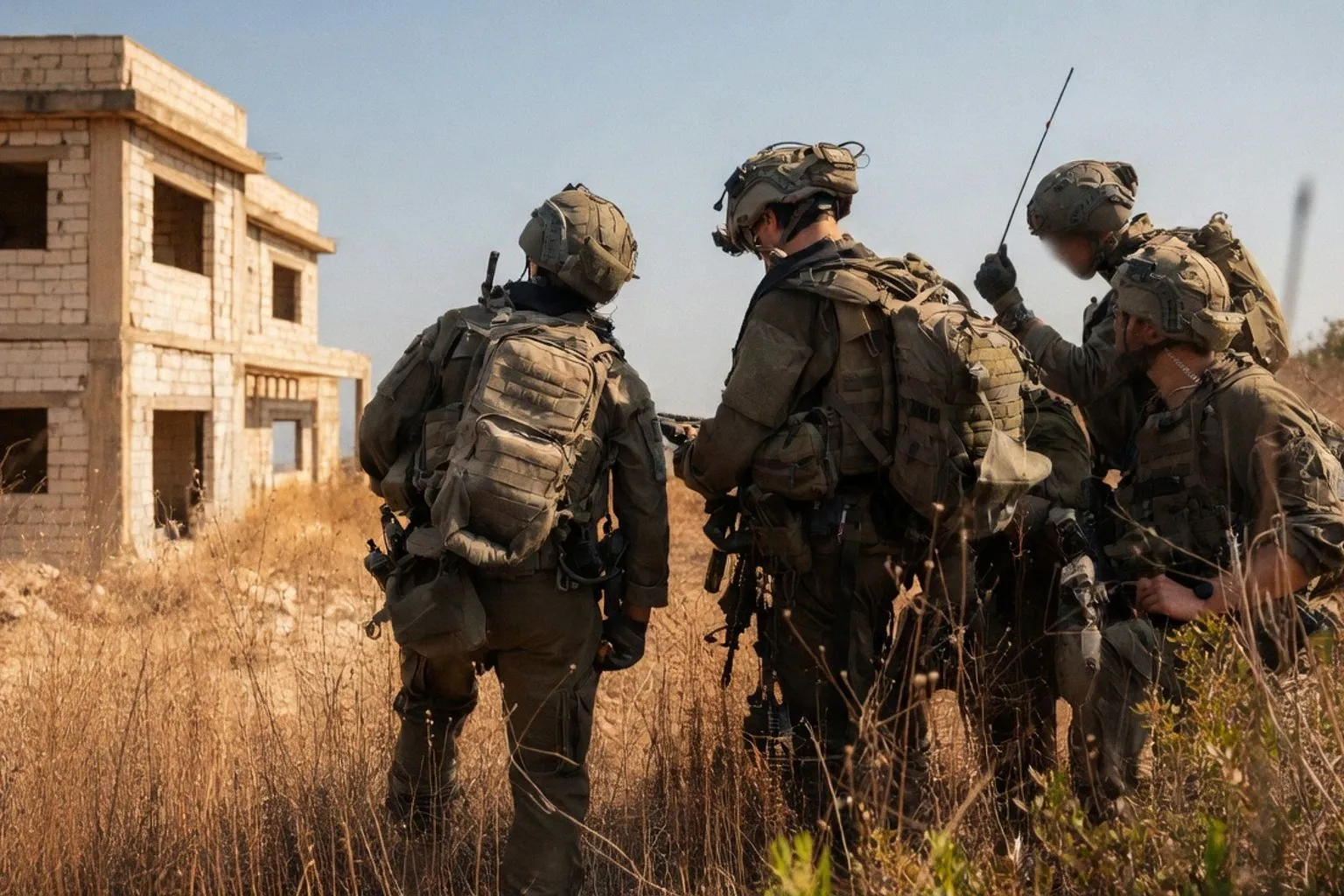
Israeli attacks expose limits of US-brokered Lebanon framework
The attacks, concentrated around Nabatieh, have again tested the US-brokered security arrangements between Lebanon and Israel. For agricultural cooperatives, the immediate concern is not only physical safety but also whether damaged local services, roads, records, and commercial links can continue supporting the harvest and its movement.
When public infrastructure becomes part of the supply chain
The reported damage extended beyond residential areas. The strikes hit public facilities in Nabatieh, including the Regional Financial Department building, while the local agriculture office and nearby commercial shops were also reported damaged. A former hospital facility and other buildings were mentioned among the sites affected.
For our growers and cooperative managers, this matters because export readiness depends on more than crisp produce and a confirmed buyer. It also relies on functioning administrative offices, accessible records, local banking and finance services, transport coordination, and the small businesses that help farmers prepare a shipment. When even one part of that chain is disrupted, a cooperative may be forced to delay collection, change its storage plan, or recheck paperwork that would normally move through familiar local channels.
The report says Lebanon’s finance minister ordered urgent measures to protect official records and maintain government services. Cooperatives should make a similar priority of their own records: membership lists, harvest estimates, buyer contacts, land and production documents, invoices, and any certificates needed for domestic or international trade. Keep current copies in more than one secure location, and make sure at least two people can access the essential files if an office or meeting point becomes unavailable.
A ceasefire arrangement under renewed pressure
The reported strikes followed competing claims around the ceasefire. The Israeli military said Hezbollah had launched two explosive-laden drones toward its forces in a southern Lebanon security zone, while the report described the Israeli response as a wide-scale offensive. The same account said that Lebanon and Israel had reached US-brokered security arrangements on June 26, although Israel retained its stated intention to maintain a security zone in southern Lebanon.
The situation is therefore difficult for cooperatives to treat as a single, settled disruption. The report says Israeli forces have continued ground operations in the south, and that the Israeli military claimed on September 1 to have destroyed launch platforms, anti-tank guided missiles, and other combat equipment found within civilian infrastructure. Those claims remain part of the reported account; they should not be turned into assumptions about the safety of any particular farm, road, or village without local confirmation.
A practical response is to separate decisions into three layers. First comes worker and grower safety: no shipment, field visit, or collection schedule should outrank that. Second is local continuity: which collection points, drivers, cold-storage facilities, and municipal or agricultural contacts are currently reachable? Third is export timing: which buyers can accept a delay, a revised quantity, or a different loading point without compromising produce quality?
What cooperatives should check now
The most useful collective step is a shared status map, updated by growers rather than left to one coordinator. Each group can record which farms are operating, which roads are open to local traffic, where produce can be cooled or stored, and which administrative services remain available. The map does not need to be elaborate; a dated spreadsheet and a phone-based contact tree can be enough, provided updates are verified and circulated quickly.
Cooperatives should also agree in advance on who can authorize a route change, who communicates with buyers, and who checks the condition of produce after any delay. Clear roles reduce confusion when families, drivers, packers, and growers are all receiving incomplete information at once.
The attacks reported in southern Lebanon show the limits of relying on a security framework alone to protect the everyday systems that agriculture needs. Our collective strength lies in preparing those systems together: preserving records, sharing verified updates, protecting quality, and keeping more than one path open to market.