Adapting Lebanese Agriculture to Climate Volatility and Supply Chain Shifts
Fruitnet reports that the global fresh produce sector is discussing how to adapt to increasing droughts and crop shortages.
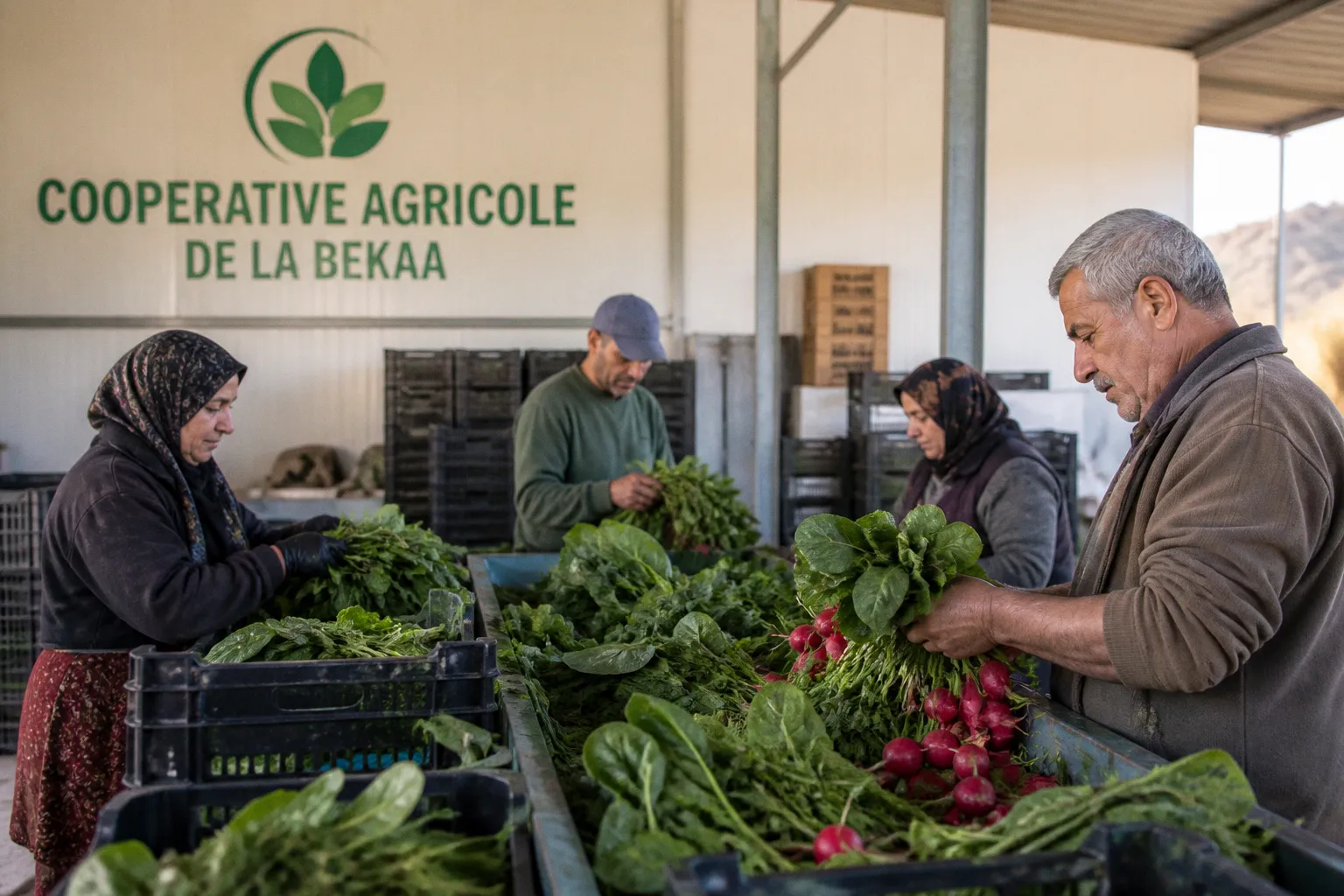
A related report from Jordan’s Petra news agency notes that Jordan University of Science and Technology and the FAO discussed a climate-adaptation readiness programme. For Lebanese cooperatives, the important point is not a new forecast for one harvest, but a shift in the questions our sector must ask about water, supply continuity and shared preparation.
The pressure is moving from the field to the whole chain
Fruitnet’s discussion links drought and crop shortages with two areas that cooperatives know well: farming techniques and supply-chain adjustments. That matters because a difficult growing season does not stop at the farm gate. It can affect the volume available for collection, the consistency of produce arriving at a packing point and the ability to meet an agreed market programme.
We should be careful, however, not to turn a sector discussion into a prediction that shortages will automatically become permanent. The available report does not provide a Lebanese harvest forecast, crop-by-crop figures or a timeline. What it does show is that climate resilience is now being discussed alongside the practical movement of fresh produce from growers to buyers.
For a cooperative, this makes shared planning more valuable than isolated decisions. If one grower faces a lower yield while another has a more stable supply, the collective needs a clear way to record, compare and communicate that difference before an order is confirmed.
What our cooperatives can check now
The first useful step is a simple supply-readiness review, built around information the group already holds:
- Which crops and varieties are expected to be available, and over what period?
- Where could a shortage affect collection or packing commitments?
- Which quality characteristics must remain consistent for the buyer, such as crispness, size or blemish-free presentation?
- What information can growers report early enough for the cooperative to adjust a delivery plan?
- Which parts of the supply chain require a contingency rather than a last-minute response?
This is not a substitute for agronomic advice, and the sources do not identify one technique as the answer. Fruitnet’s point is broader: climate-resilient farming techniques and supply-chain adjustments need to be considered together.
That distinction is important for our growers. A cooperative may invest attention in the field while leaving collection schedules, grading expectations or buyer communication unchanged. In a shortage year, that gap can turn a manageable reduction in yield into a much harder commercial problem. A shared reporting rhythm—agreed crop updates, a common quality vocabulary and one person responsible for communicating changes—gives the group a firmer base without requiring a large new system.
Why regional cooperation deserves attention
The Petra report records a discussion between JUST and the FAO on a climate-adaptation readiness programme. Even without detailed project information in the report’s available summary, the meeting is a reminder that adaptation is also being addressed through institutions and regional cooperation, not only by individual farms.
That is a useful direction for Lebanese cooperatives to watch. Access to future programmes, finance or technical partnerships will depend on being able to describe our needs collectively and practically: what water-related pressure affects production, where supply planning becomes fragile, which investments could protect quality and how many growers could participate.
The next season may not offer a single answer to whether droughts and crop shortages are “the new normal.” But we can prepare for more uncertainty by treating reliable information as a cooperative asset. When growers share timely field signals, packing teams understand the likely volume and buyers receive clear updates, our produce has a better chance of reaching markets with its quality—and our collective effort becomes easier to support, finance and strengthen.