How the CIMMYT and WFP Partnership Reshapes Global Standards for Smallholder Farmers
According to ReliefWeb, the partnership will channel climate-resilient agricultural practices into the hands of growers who need them most — and that signal travels quickly into the procurement…
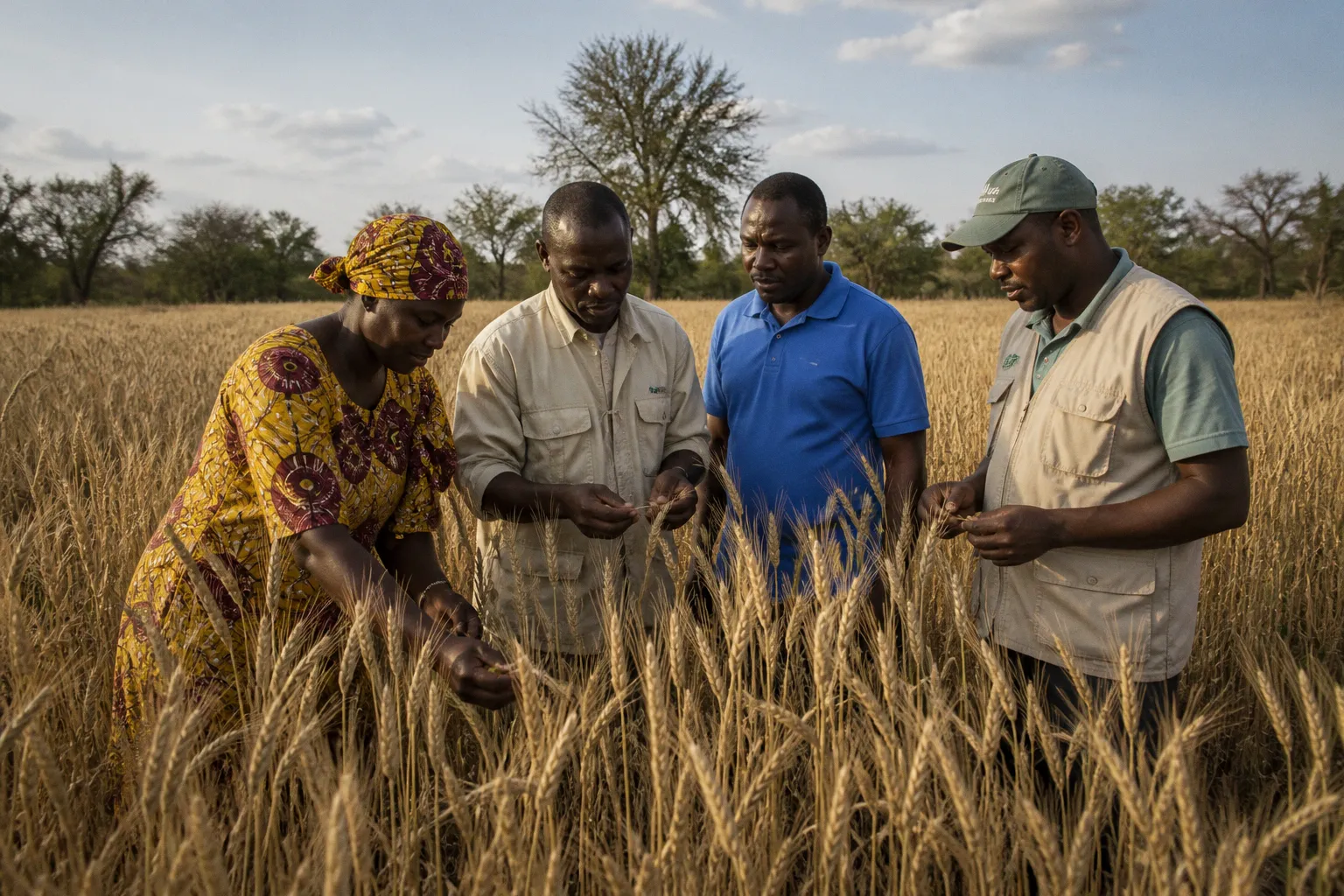
CIMMYT and the World Food Programme have signed a new agreement aimed squarely at the people who feed the most exposed landscapes: smallholder farmers working under climate stress. According to ReliefWeb, the partnership will channel climate-resilient agricultural practices into the hands of growers who need them most — and that signal travels quickly into the procurement standards of the global institutions that buy from cooperatives like ours.
What the agreement actually puts on the table
The core of the deal, as reported, is technical: climate-resilient practices reaching smallholders. Not a press-release abstraction — CIMMYT's mandate is seed systems, soil health, and cropping systems research, while WFP works the demand side through school feeding, emergency response, and structured procurement. When those two align, the practical result is usually farmer training hubs, validated seed for stress-tolerant varieties, and post-harvest handling protocols that meet the documentation requirements of institutional buyers. For a Lebanese cooperative exporting fresh produce, the question is not whether such programs will reach the Bekaa and Akkar — it is whether our growers will be ready to meet the same standards when the buyers come asking.
Why export-oriented cooperatives should pay attention
International food security budgets are quietly rewriting the rulebook for what counts as "market-ready." Heat-tolerant wheat lines, salinity-tolerant fodder, and drought-resilient rotations are no longer research curiosities; they are the varieties that bilateral and multilateral procurement contracts will prefer over the next planning cycle. The parallel signals from August reinforce this. UNDP reports that nearly 90% of Sudanese farmers have seen yields fall this season, a reminder that climate volatility is reshaping which origins can reliably supply which commodities. Meanwhile, separate sustainability-finance work through UNDP in small island states like Samoa shows where concessional capital is flowing. The throughline for Lebanese cooperatives: resilience credentials — soil organic matter data, water-use records, traceability — are migrating from "nice to have" to baseline expectation.
What to track and do this season
Three practical checkpoints worth putting on the cooperative calendar before the autumn planting window closes. First, request the updated CIMMYT variety lists for wheat, barley, and forage legumes suited to Mediterranean dryland conditions; seed availability in Lebanon often lags international releases by a season, so early inquiries matter. Second, audit your post-harvest chain against WFP's procurement specifications — cold-chain continuity, residue testing, and packing-house sanitation are the usual gaps that disqualify otherwise good produce from institutional contracts. Third, document soil health baselines now: organic matter percentage, electrical conductivity, and rooting depth. These are the data points that will be asked for when resilience-linked financing reaches our region, and the cooperatives that already have them will move first.
The field reality is straightforward. Partnerships between research institutions and humanitarian buyers reshape which farming systems get rewarded. The Lebanese cooperatives that read this shift early — and adjust their inputs, rotations, and record-keeping accordingly — will be the ones still shipping when the next climate shock tightens the global market.