Bridging the Gap: How Batroun’s Village Exhibitions Are Modernizing Lebanese Agriculture
The second edition of the Village Exhibitions in Batroun has drawn political leaders and our Ministry of Agriculture into the same gathering, and that overlap is doing more than the photo wall suggests.
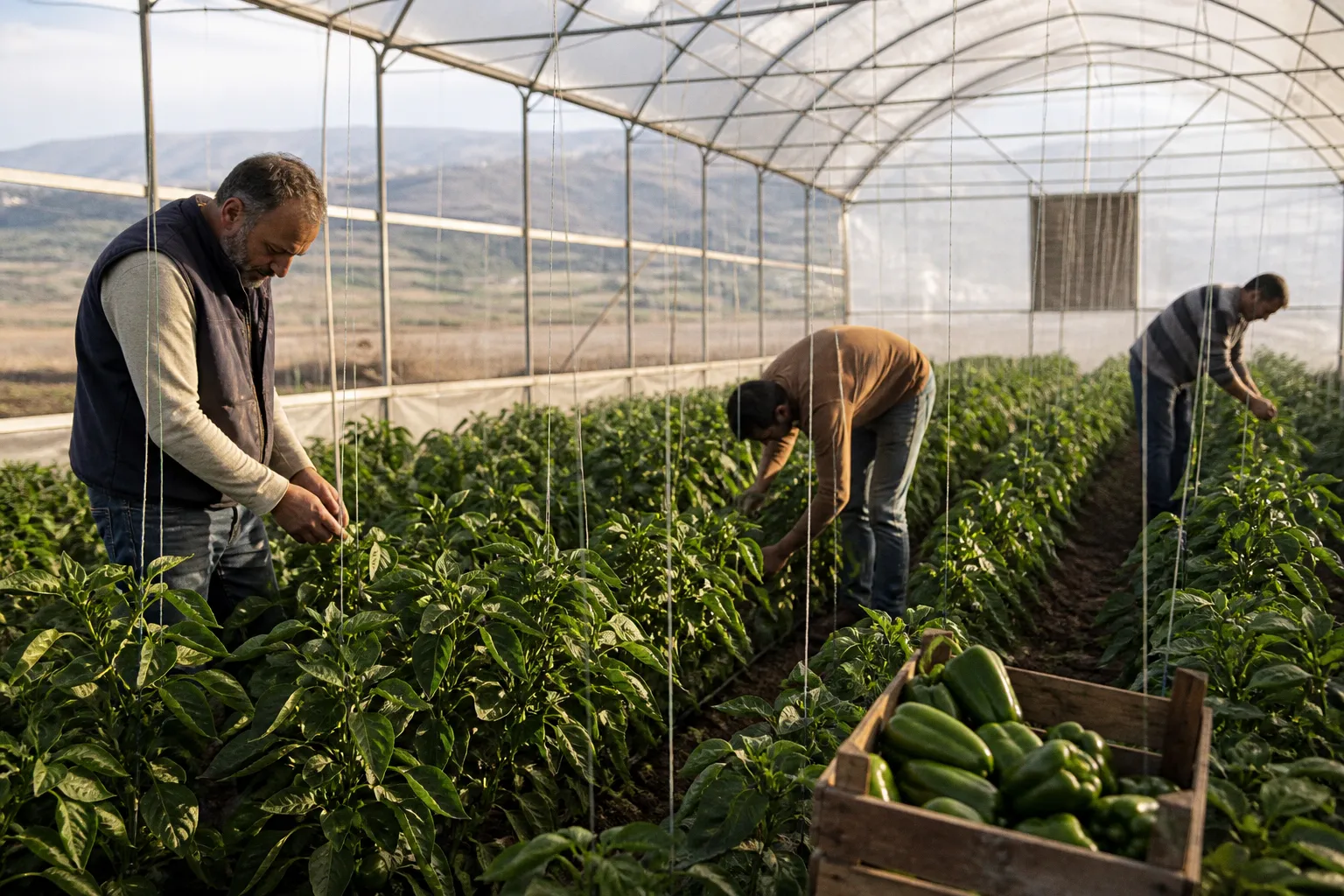
When our growers, local officials, and the Agriculture Minister sit under the same tents around rural Lebanese products, the conversation drifts past slogans about identity and into the practical work of getting our fruit, olive oil, and greenhouse vegetables onto more shelves with less waste along the way.
Greenhouse Tech and Olive Cultivation, Walking the Rows Together
According to the Lebanese Ministry of Agriculture, Minister Dr. Nizar Hani conducted a field tour through Byblos and Batroun, combining two threads our cooperatives know intimately: inspecting modern greenhouse technologies and discussing direct support for olive cultivation. These are the backbone crops of the northern smallholder economy, and for years they have waited for attention that survives past the closing speech and turns into budgeted programs our growers can plan against.
The fact that the Minister attended the second edition of the Village Exhibition while already in the region gives a local fair a weight that farmer-led events rarely carry. For our cooperatives, the honest question becomes whether this presence translates into something we can build a planting cycle around: shared cold-chain capacity, grading practices that match what international export buyers actually inspect for, or cooperative-level procurement of greenhouse inputs like climate screens and seedling trays.
Beyond Identity, Toward a Shared Export Standard
In coverage carried by tayyar.org, Bassil addressed the Batroun gathering with the framing that Lebanese products are part of our identity and a key strength of our economy. It is a message many of us in the cooperative world have heard through several seasons, and the test we keep returning to is what happens the Monday after the tents come down: which cooperatives receive follow-up visits, which villages get matched with specific buyers, and which upgrades get prioritized first across the union.
We know from the daily rhythm of harvest what the climb actually demands — blemish-free sorting tables, consistent cold storage from field to truck, transparent pricing rules our members can trust, and a single point of contact for the paperwork that export shipments require. A high-level gathering is useful to us only when it is translated into those small, repeatable steps that our cooperatives can carry out without waiting for further permission from anyone.
A Short Working List for Our Cooperatives This Week
Before the season turns, our cooperative leaders can press a few practical questions into motion: request the Ministry's greenhouse and olive-support timelines in writing rather than relying on verbal commitments, document by name what was offered at the Batroun exhibition, and bring our internal grading standards side by side with the export destination requirements our buyers already grade against. Small, collective steps like these are how a political appearance becomes a working plan our growers can build the next harvest on.