Table grape storage: 5 ways to stop harvest losses
You’ve got a harvest. Bins are stacked. But if your storage protocol is off, you’re not selling grapes—you’re shipping a problem.
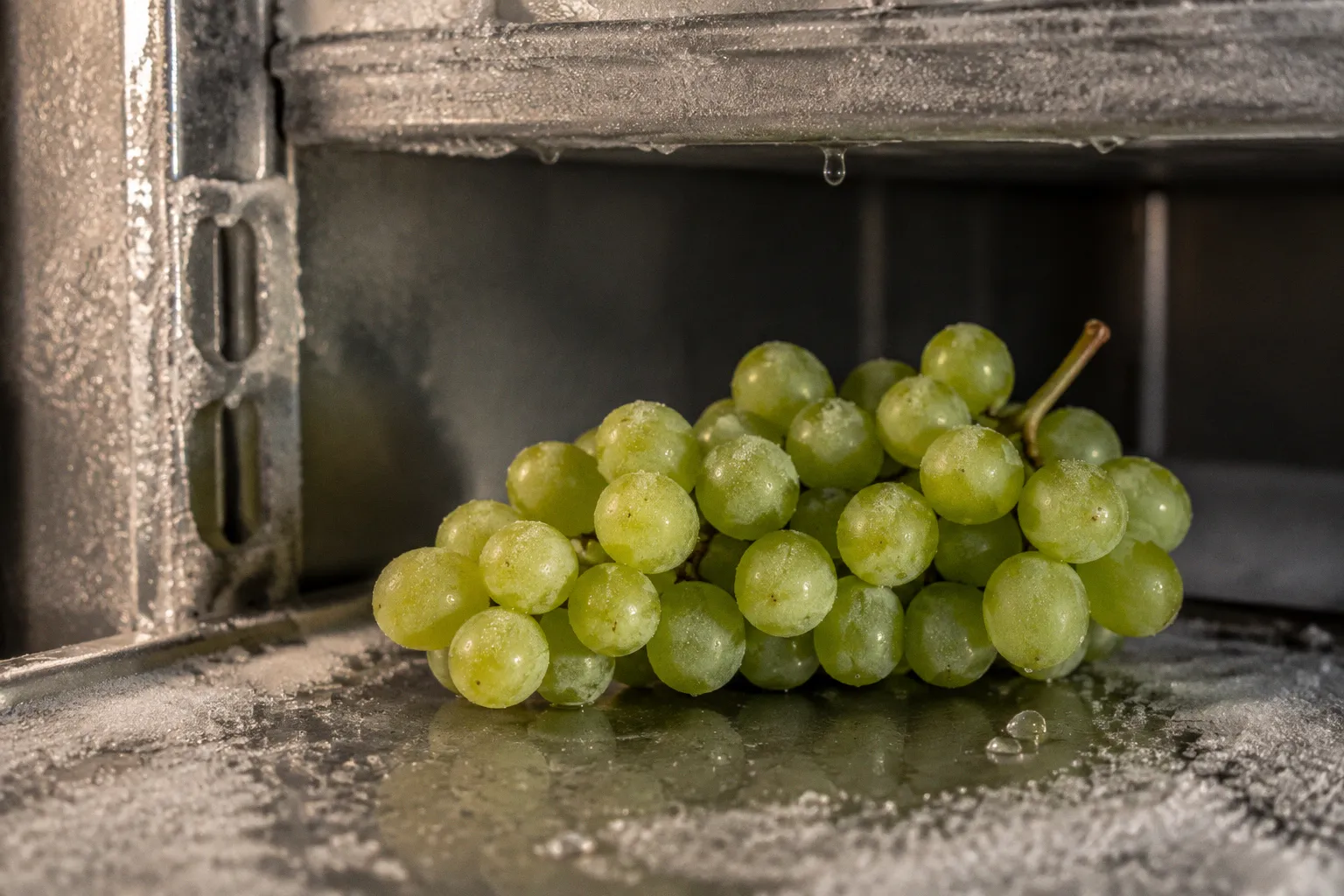
Postharvest losses in table grapes can reach 30%, and that number isn’t a statistic; it’s your profit margin disintegrating in a warm truck. Let’s cut through the noise and fix the five critical control points where your operation is likely hemorrhaging value.
The Non-Climacteric Reality: Why Harvest Timing Defines Storage Potential
First, understand what you’re packing. Table grapes are non-climacteric. They are picked at their peak. They will not get sweeter, softer, or more flavorful after leaving the vine. The soluble solids concentration (SSC) at harvest—ideally between 14% and 17.5%—is the sugar content you deliver. The SSC-to-titratable acidity (TA) ratio should hit at least 20 for balanced flavor in early-season varieties.
Mistake #1: Harvesting based on calendar or color alone. Color is a visual cue, not a chemical one. If you cut a berry and the seed isn’t fully lignified (brown), your grapes are immature. They’ll shatter. They’ll have poor shelf life. Your storage solution cannot fix a botched harvest decision. Get a refractometer. Know your numbers. This is your first and most irreversible checkpoint.
Your cold chain doesn’t start at the pre-cooler—it starts the second the shears clip the stem. Every minute of field heat is a debt you’ll pay with spoilage.
Rapid Pre-Cooling: The First Line of Defense Against Field Heat
Field heat is the enemy. Grapes harvested at 30°C in the Bekaa Valley sun are respiring furiously, breaking down sugars, losing water, and aging at a hyper-accelerated rate. Your job is to slam the brakes.
Protocol: Force-air pre-cooling. Period. Hydrocooling is a non-starter for grapes—free surface moisture invites fungal disaster. You need rapid, dry heat removal. The target is to bring the core temperature of the pallet or bin down to the optimal range within 2-4 hours maximum. Delay here is linearly correlated with later weight loss and stem browning.
| Cooling Method | Suitability for Grapes | Key Risk |
|---|---|---|
| Force-Air Pre-Cooling | Optimal | Requires proper airflow design in the packing house. |
| Hydrocooling | Prohibited | Promotes mold (Botrytis) growth on wet berries. |
| Room Cooling | Inefficient | Slow process; grapes can sit at damaging temperatures for days. |
Precision Cold Chain: Maintaining the -1°C to 1°C Threshold
Once cooled, your grapes must stay cold. The operational window is narrow: -1°C to 1°C. Drift even 2 degrees higher, and respiration and decay rates climb exponentially.
But temperature is only half the equation. Relative humidity (RH) must be maintained at 90%–95%. Too dry, and you get stem browning and shrivel—the berries look aged, the stems turn black. Too wet (condensation), and you’re cultivating Botrytis cinerea in your bins.
Operational Checklist:
- Calibrate thermocouples at different pallet positions. Air temperature ≠ fruit temperature.
- Avoid ethylene producers. Do not store grapes with apples, bananas, or stone fruit. Ethylene accelerates stem abscission (shatter).
- Manage airflow. Pallets must be stacked to allow air channels. A blocked vent means a hot pocket, which means a spoilage hotspot.
Managing Fungal Decay with Controlled Sulfur Dioxide Applications
Botrytis is the primary pathogen threatening your consignment. The industry-standard weapon is sulfur dioxide (SO₂). This isn’t a guess; it’s a verified protocol that can reduce fungal decay rates by up to 85%.
The Technology: SO₂-generating pads placed in the packaging. They release the gas in two phases—a quick initial burst to kill surface spores, then a slow, sustained release to protect during transit.
The Critical Caveat: Overexposure is your operational risk. Too much SO₂, especially with thin-skinned cultivars like Thompson Seedless or some red seedless varieties, causes:
- Hairline cracking of berry skin.
- Bleaching of color.
- Chemical taste detectable by consumers.
- Stem browning from chemical damage.
This is a precise chemical intervention. You must match the pad dosage to your transit time and cultivar sensitivity. For long-haul exports from Lebanon, dual-release pads are standard, but dosage must be confirmed with your supplier.
Humidity Control and Packaging Strategies to Prevent Stem Browning
We’ve discussed RH in storage, but the package itself is a microclimate. The battle against stem browning and shatter is won or lost here.
1. Macro-Perforation ≠ Micro-Perforation: Standard polybags with large holes are useless for humidity control. You need films with specific micro-perforations that allow for gas exchange while maintaining internal high humidity (around 95%).
2. The Clamshell Trap: Retail-style clamshells look professional but can be a nightmare. They restrict airflow, trap respiration gases, and can overheat if not pre-cooled sufficiently. If you use them, ensure they are vented and that the cooling is perfect.
3. Modified Atmosphere Packaging (MAP): For high-value, long-distance shipments, this is the next level. By altering the O₂/CO₂ mix inside the sealed package, you can significantly suppress respiration and decay. This requires consistent equipment and film quality.
The Exporter’s Compliance Checklist
Before the truck leaves your facility, run this audit:
- Harvest Verified: SSC ≥ 14%, TA ratio measured, seeds lignified.
- Pre-Cool Complete: Core temp of fruit verified at 1°C–4°C within 4 hours of picking.
- Storage Set: Cold room stable at -1°C to 1°C, RH verified at 90–95%.
- SO₂ Pad Active: Correct dose for cultivar and transit duration; pad placed correctly in packaging.
- Packaging Sealed: Micro-perforated film or MAP used; no free water in packages.
- Ethylene Isolated: No conflicting produce in the same cold store or container.
Your grape’s potential was set on the vine. Your protocol decides if that potential reaches the market in Beirut, Dubai, or Riyadh. The margin for error is zero, but the solution is entirely within your control. Execute precisely.