Strategic Harvest Scheduling: New 2026 Guidelines for Olive Growers and Mill Operators
Every fall, our cooperatives wrestle with the same quiet question: when do the olives actually come off the trees?
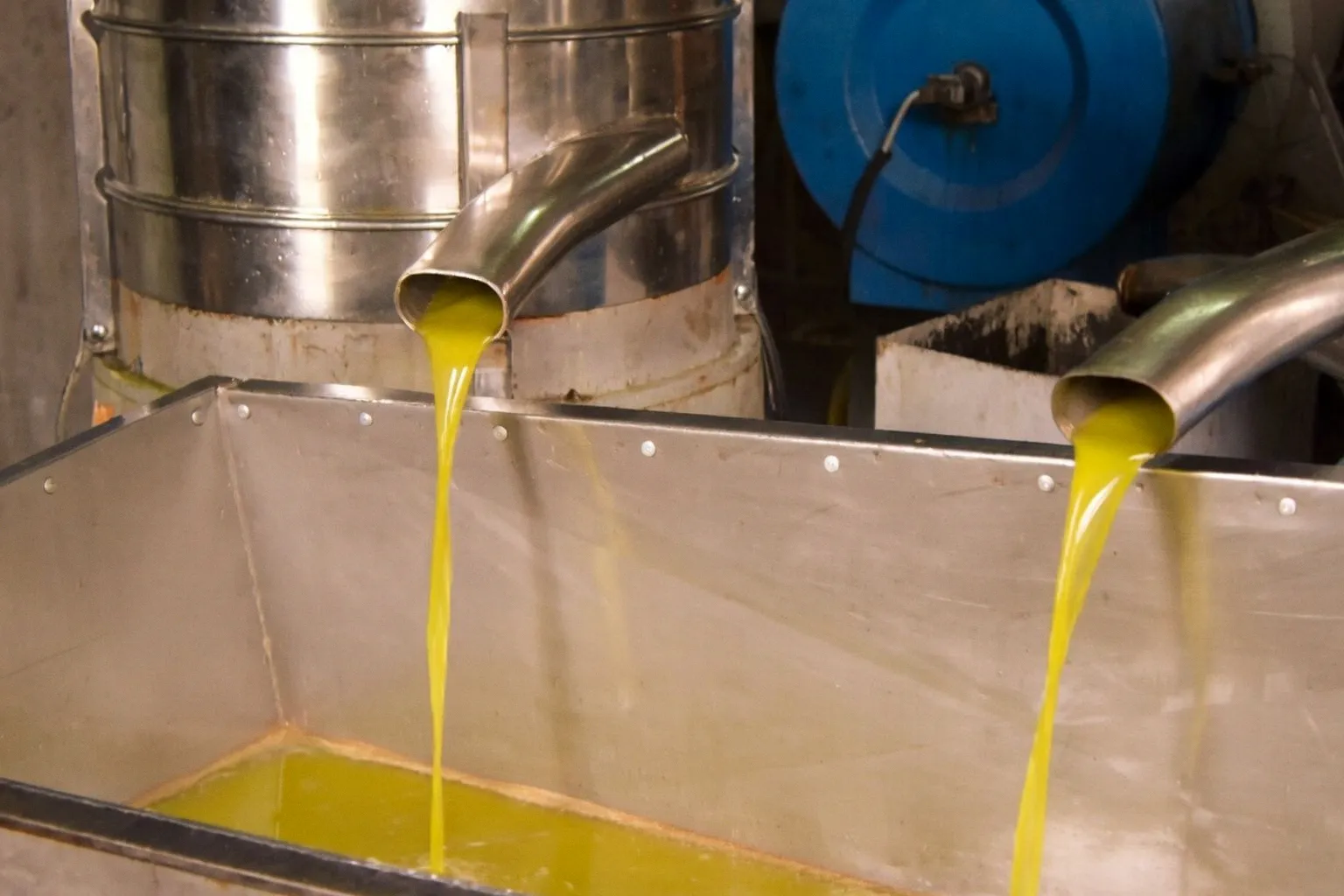
According to a Sada News report, Palestine's Ministry of Agriculture has just put its answer in writing for the 2026 season, anchoring pick dates to fruit maturity rather than the calendar alone. For growers tracking the wider region, the framework is worth borrowing — it maps neatly onto the same decisions we make each autumn.
The dates that shape the season
The schedule opens with table olives on September 20, 2026, moves into local Nabali pressing from October 15, and finishes with improved and irrigated oil varieties from November 5. Mills may begin maintenance, testing, and technical trials from October 11, though actual crop reception only follows the picking dates — a sequencing that keeps oxidation risk low and yields that crisp, blemish-free oil our buyers ask for.
Directors of agriculture can postpone any of these starts based on local climate and field conditions, after consulting growers and extension staff. That built-in flexibility is something we know matters: a warm October or an early frost across the Beqaa and the North can shift maturity by a full week.
What the numbers tell us
Initial ministry estimates point to roughly 21,000 tons of olive oil this season — enough to cover local consumption needs of around 15,000 to 15,500 tons, set aside about 4,000 tons for export, and keep a buffer in storage. The ministry has flagged these as preliminary figures, open to revision as harvest unfolds.
For our cooperatives thinking about export readiness, the ratio is the part worth noticing: roughly two-thirds staying domestic, one-fifth crossing borders, the rest cushioning market swings. When we sit down to plan cold-storage bookings and forward contracts, that same kind of split keeps us honest about volume risk.
Borrowing the coordination model
Beyond the calendar, the announcement points to a decentralized harvest structure — village and town committees chaired by local authorities, with civil society, national bodies, and volunteers at the table. The aim is faster response in vulnerable areas and tighter coordination between farmers, security services, and partner institutions during a high-risk window.
Our growers don't need to copy the politics of that model to learn from it. A simple pre-season checklist shared across our pickup crews, mill operators, and exporters — agreed in writing before the first ladder goes up — does most of the same work. Confirm maturity sampling dates, lock in mill slots, name a point person for each village cluster, and decide in advance how we'll reroute if rain or labor shortages tighten the window.
The Palestinian season doesn't run on our clock, but the shape of it does. Watching how a neighboring ministry sequences pick dates, runs mill trials, and shares production estimates gives us a free benchmark — one we can fold into our own cooperative's planning meeting before the trees start dropping fruit.