Navigating Lebanon’s Agricultural Challenges: A Strategy for Cooperatives
According to the latest GIEWS country brief on Lebanon, our 2026 cereal production is estimated at 160,000 tonnes — close to the five‑year average and a clear step back from the drought‑hit harvest of a year ago. The headline figure is reassuring.
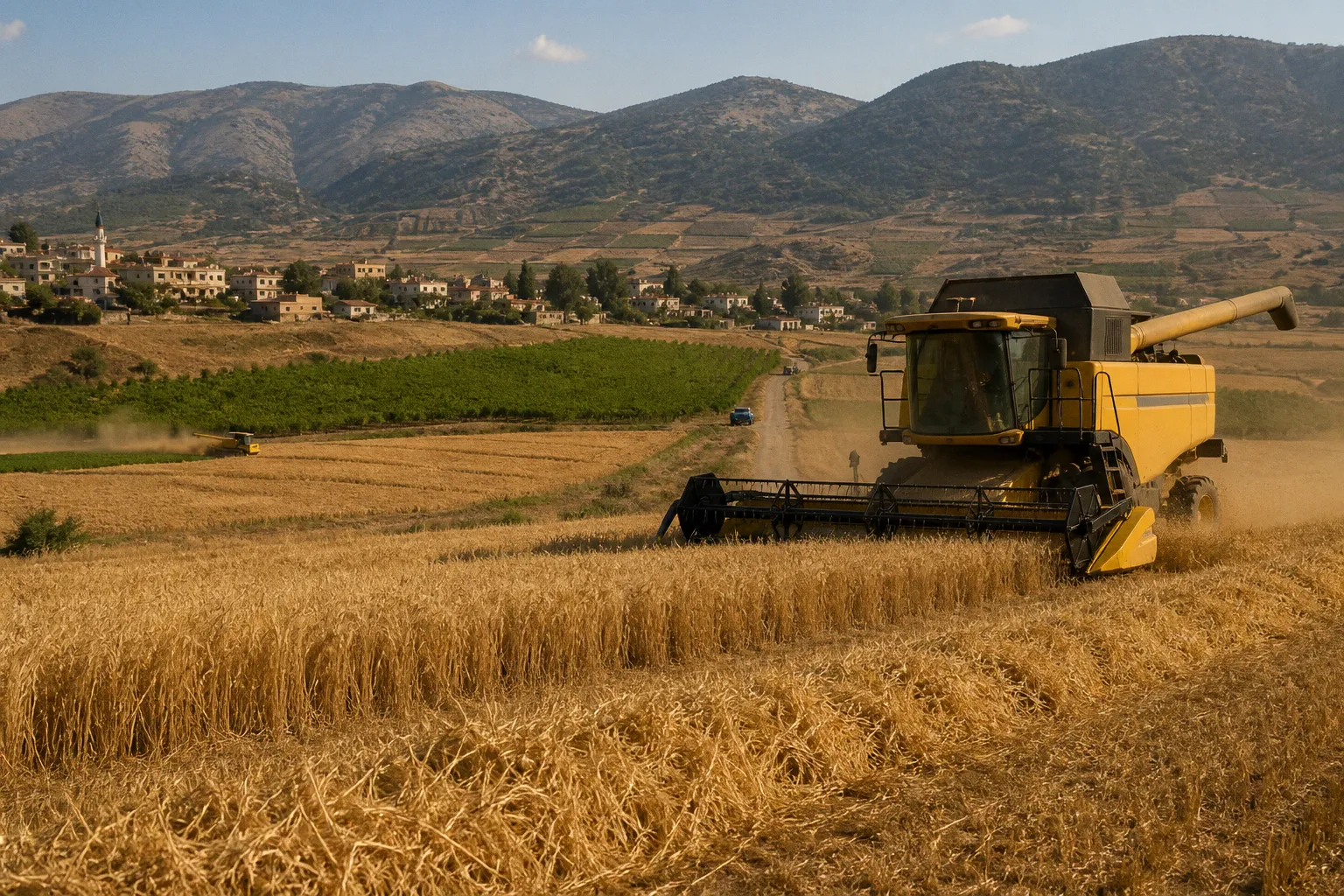
What sits beside it deserves a closer look: harvesting constraints persist in conflict‑affected areas, and the country's import requirements are forecast to climb. For a sector already balancing export commitments with domestic food security, that combination shapes the months ahead for every collection point we run.
A Familiar Pressure on the Rural Calendar
Cereals are not what most of our cooperatives ship abroad, but the brief still speaks to us in a language we have learned the hard way. When local grain output falls short and import dependence widens, the squeeze typically travels through the rural calendar in familiar directions — household food budgets come under strain, available hands drift toward the cheapest work available, and the shared infrastructure our grower groups rely on, from cold‑storage windows to transport bookings, comes under heavier concurrent demand.
The practical move this week is small and worth doing. Gather cooperative leadership for an hour and walk through three questions together: how exposed is our main collection zone to conflict‑related harvest risk, what is our current cold‑chain buffer if labor tightens unexpectedly, and have we written down realistic volume commitments for each export buyer rather than carrying last season's optimistic numbers forward? These quiet check‑ins take a morning, not a budget, and they are the kind that kept many of our groups moving through last season's disruptions.
The Weather Map Just Beyond Our Border
While our cereal picture steadies, the topfruit season across northwestern Europe is shaping up smaller than expected. Heat and a precipitation deficit since June have pulled average apple and pear sizes down in the Netherlands and Belgium, even as flavor development and overall quality remain strong, according to marketing manager Mark Loojenga of Staay Food Group. Farms with reliable irrigation have largely held their size curve; those without, the company noted, have lost ground.
For Lebanese cooperatives with consistent larger‑size apples and pears, the autumn market is opening a narrow window. It matters only if we walk into buyer conversations carrying this season's packhouse data — fresh grade‑out curves, accurate size distribution, and honest blemish counts — rather than last season's averages. Pull those reports this week. Carry the numbers into every call through October. A European squeeze on large fruit is an opening, not a guarantee, and our growers earn it through preparation rather than hope.
Together, as always, we tend what we have already planted — and we plan for the season our buyers have not yet seen.