Lebanon’s Agricultural Sector Faces Dual Crisis of Conflict Damage and Severe Drought
The fields are telling the story before any policy brief does. According to a joint report by Lebanon's Ministry of Environment and the National Council for Scientific Research, the country's…
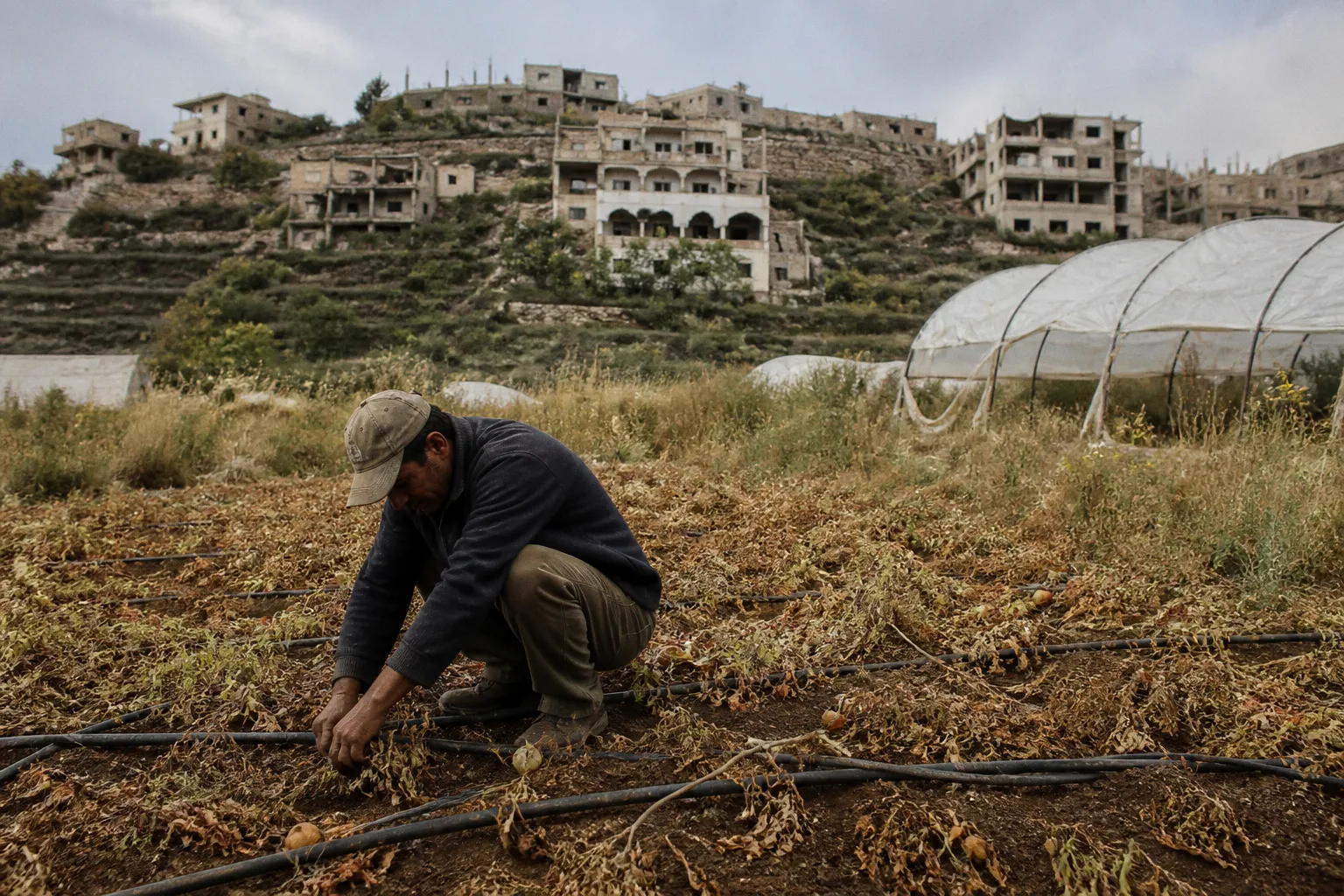
The fields are telling the story before any policy brief does. According to a joint report by Lebanon's Ministry of Environment and the National Council for Scientific Research, the country's agricultural sector has absorbed roughly $118 million in damages and $586 million in losses on top of an already punishing drought cycle. For cooperatives trying to keep fresh produce moving toward export windows, that is not a statistic — it is a harvest calendar collapsing in real time.
Where the damage concentrates on the ground
The report traces the hardest-hit zones to southern Lebanon and the Bekaa and Baalbek-Hermel governorates, where more than 56,000 hectares of agricultural land have been affected by attacks since 2023. Strikes have not only flattened harvests and disrupted local markets; they have also damaged water networks, with reports of munitions altering geological features and obstructing irrigation channels. The use of internationally prohibited substances, including white phosphorus, has compounded contamination risks in soils that smallholders depend on for seasonal rotation.
Drought is the second pressure acting on the same fields. Farmers have described an exponential rise in fruit and vegetable crop losses, while chronic and intermittent water shortages have made replanting decisions nearly impossible for cooperatives without reservoir infrastructure.
The structural squeeze behind the scenes
The numbers sit on top of a long-running political economy problem. Successive state budgets have directed less than 1% of public spending to agriculture, while land ownership remains concentrated in a few hands. Large operations tend to orient production toward export markets; small-scale farmers and cooperatives more often produce for local consumption and subsistence. That divide matters because it determines who can absorb a shock like this and who simply steps away from the land.
What cooperatives and buyers should track now
For cooperative leaders and their export partners, the practical read is straightforward. The first check is water — confirming irrigation flow, well integrity, and any sediment or chemical residue in distribution channels before the autumn planting window. The second is certification readiness: export buyers will increasingly ask for documented evidence of soil and water testing on previously affected plots, and cooperatives that prepare those records early will move faster through customs. The third is diversification — splitting production between export-oriented crops and shorter-cycle local staples to keep cash flow alive through a drought-stressed season.
The report does not soften the picture, but it does put a field checklist in front of anyone who still wants to ship Lebanese produce this year.