Systematic Destruction of Southern Lebanon’s Agricultural Infrastructure
According to an investigation by Lighthouse Reports, military actions have systematically targeted and destroyed agricultural land in southern Lebanon, which produces about 40 percent of the country’s harvest.
For Lebanese exporters, the issue now sits upstream of the booking: before discussing TEU allocation, reefer capacity, phytosanitary paperwork or a transit window, verify whether the production area and its access conditions are intact. The reporting does not establish a current export-volume loss or a recovery date, so the operational response should be verification, not guesswork.
Damage reaches the farm gate
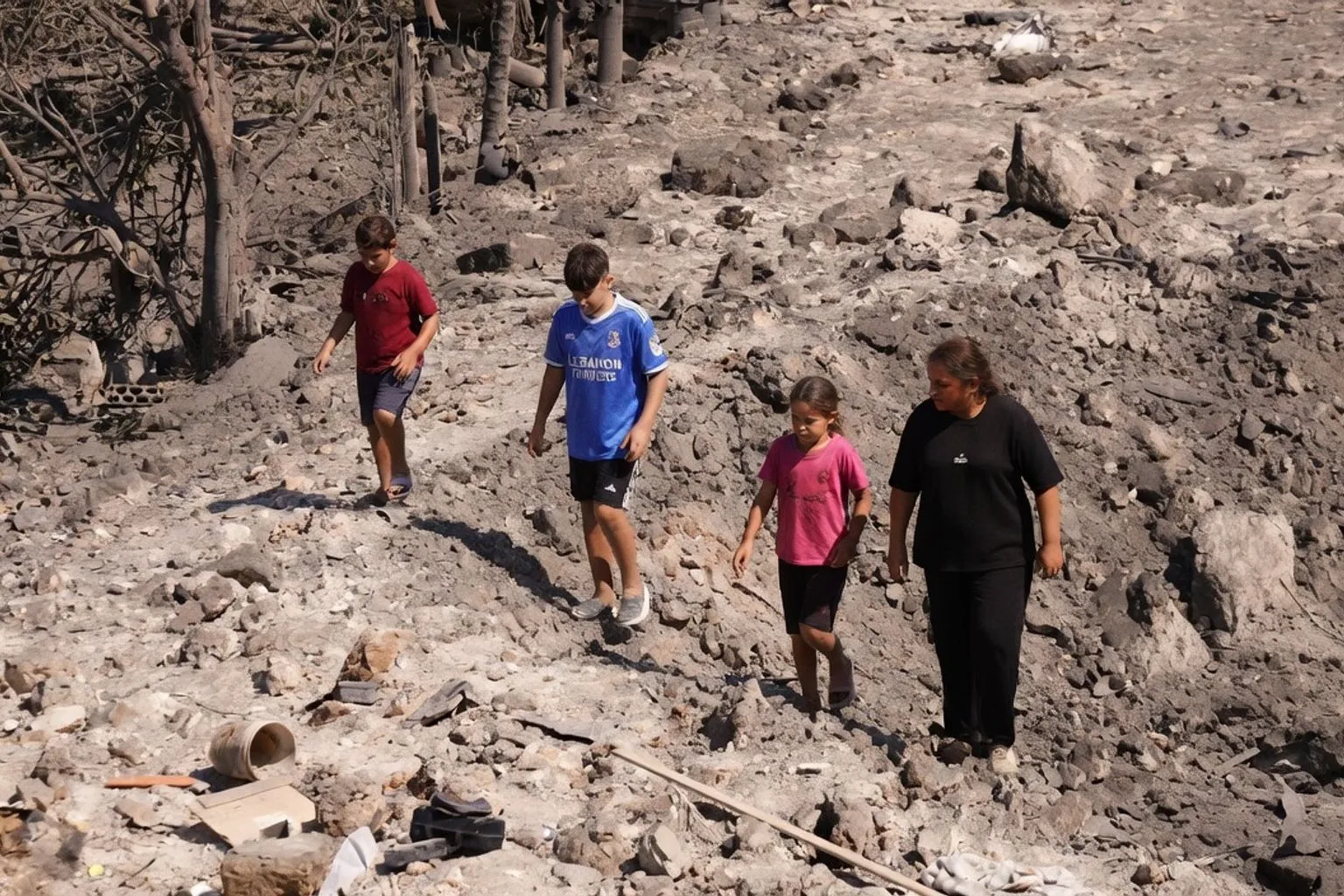
According to a visual investigation by Lighthouse Reports, satellite-imagery analysis, open-source data and verified footage show systematic destruction across the area the report describes as Israeli-occupied southern Lebanon. The investigation reports destruction spanning tens of thousands of homes and schools, as well as farmland and forests, and says much of the damage occurred after Israeli forces established control over emptied villages in mid-April.
Its satellite analysis across Khiam, Taybeh, Bint Jbeil and Haddatha found clearance beyond isolated buildings and town centres, in some cases extending across almost entire municipalities. The report also describes damage to water and energy infrastructure and medical care. It cites rights groups and legal experts who said the pattern appeared designed to prevent residents from returning.
For a cooperative, the first operational question is upstream: can the origin, access and service conditions be verified before a load is planned? The available reporting does not provide a current harvest-loss figure or a restart date for affected export areas. Do not price an estimate into a quote. Log the missing information, then close it field by field.
Separate the alert from the shipment forecast
The evidence cluster adds two location-level alerts. A Demócrata headline reports three people dead and one injured after an Israeli mine explosion in southern Lebanon. A Daily Beirut headline refers to an Israeli army raid in Taybeh.
Because only titles and snippets are available for those items, neither report is proof that a particular farm, packing house, road or checkpoint is affected. Use the reports to trigger a check, not to write a harvest forecast. Before dispatch, obtain a dated access confirmation for the pickup lane and planned handoff points. If the cooperative cannot confirm safe access, put the move on hold and tell the buyer the lane is unverified.
That protects the cold chain and the commercial promise: a headline cannot clear a route. Keep the distinction visible downstream so an alert is not turned into a false nationwide supply claim.
Run a go/no-go control plan
Use this five-point protocol for every load:
- Pin the origin. Record the municipality, collection points, confirmer, and what is verified versus unknown.
- Verify the lane. Confirm pickup, transfer and exit conditions. If the evidence is missing or conflicts, mark the route unverified.
- Check the load. Confirm the buyer’s current requirements and the applicable phytosanitary requirements, then document packaging, temperature control and handoff times for any reefer or temperature-controlled movement.
- Preserve proof. Keep the dated origin record, route confirmation, condition photos and chain-of-custody log together.
- Set the hold rule. No verified access, no confirmed handoff, no unsupported delivery promise. Escalate the hold to the cooperative, buyer and logistics lead before releasing the load.
This is not a blanket stop on southern shipments. It is a disciplined way to separate a reported security incident from a confirmed export problem, protect the cold chain, and keep the promise inside the evidence.