How Renewed Conflict Is Crippling Lebanon’s Agricultural Export Cooperatives
The World Bank's Summer 2026 Lebanon Economic Monitor projects a 6.4% economic contraction this year as renewed conflict reverses the fragile recovery recorded in 2025.
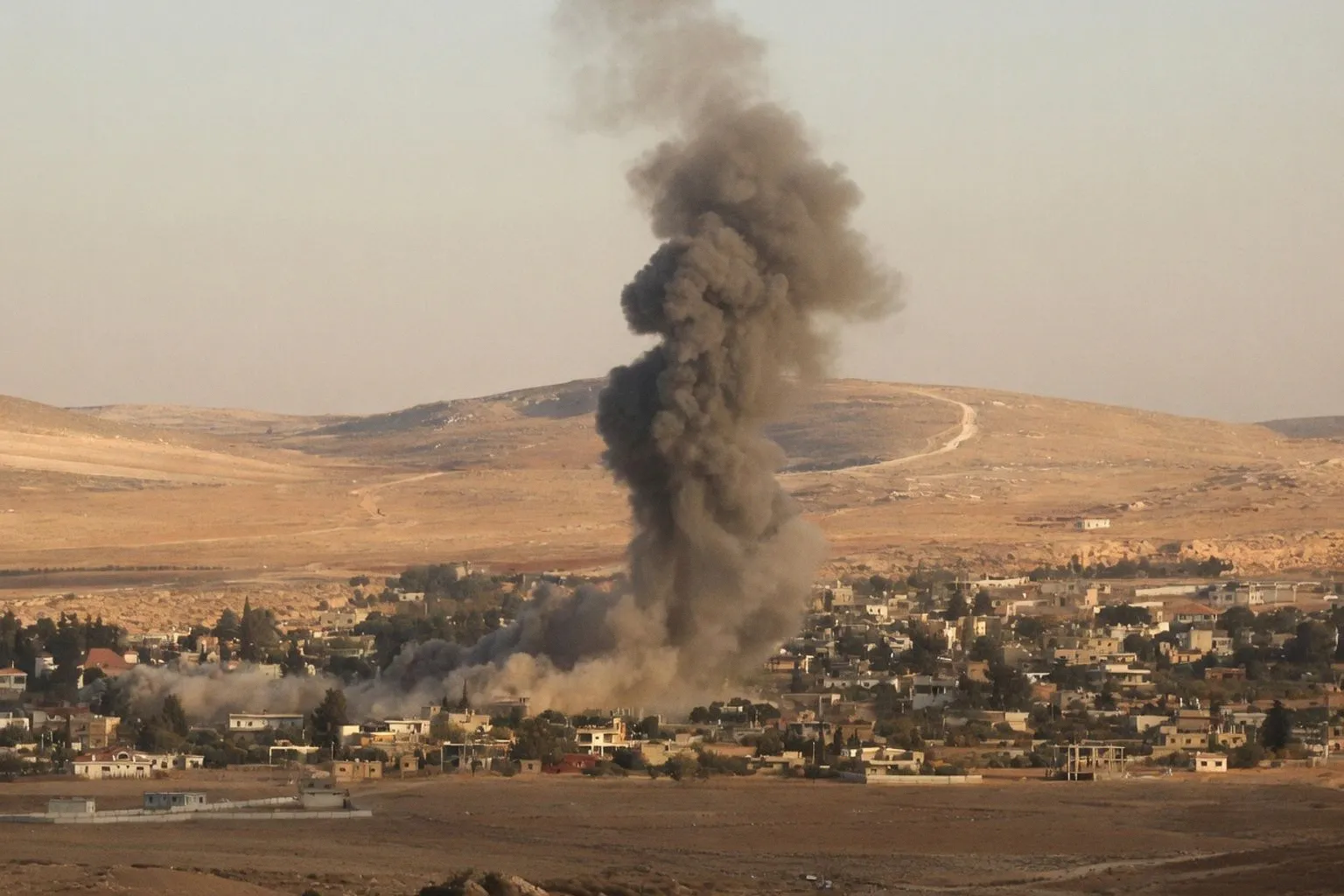
Agriculture sits among the hardest-hit sectors, and for the cooperatives moving Lebanese produce toward export markets, the report reads less like a forecast and more like a field diagnosis of what disrupted supply chains actually cost.
The Supply Chain Squeeze
The monitor's special-focus analysis finds GDP growth would run roughly 10.4 percentage points higher under a non-conflict scenario. In agronomic terms, that gap maps directly onto the bottlenecks cooperatives already manage: input delivery delays, inflated cold-chain fuel costs, and longer dwell times at border crossings. Inflation is expected to reach 17.5% in 2026, driven by supply disruptions, higher shipping costs, and rising oil prices — all of which compound the cost of seed, fertilizer, packaging, and refrigerated transport that export certification protocols require. When a cooperative's per-kilo margin is already thin, a double-digit jump in input and freight costs reshapes the entire planting calculus.
Public Finances and the Inspection Backbone
Lebanon posted a 3.9% of GDP overall surplus in 2025, supported by improved tax compliance and stronger customs and VAT collection. The same report warns that reconstruction spending, humanitarian needs, and public-sector wage pressures will strain the budget through the second half of 2026. For cooperatives, that squeeze matters beyond tax rates. Phytosanitary inspections, export licensing, and port logistics depend on a functioning public apparatus — precisely the services that come under pressure when government spending pivots toward emergency relief. A customs corridor running slowly during peak harvest season can spoil a season's work faster than any field pest.
Signals Worth Tracking This Season
The monitor flags prolonged displacement and destruction of physical capital as factors that will weigh on productive capacity well beyond this season. A parallel food-security country brief published through ReliefWeb on August 25 points to the same monitoring window on agriculture and supply. Cooperatives planning autumn planting and winter export cycles should watch three concrete signals: whether global shipping and fuel costs keep climbing into the citrus and olive harvest window, whether the Lebanese pound remains stable through the year-end export push (the report notes current stability relies partly on reserve drawdowns), and whether agricultural inspection capacity holds as reconstruction spending rises through late 2026. Each signal translates into a practical decision on the ground — when to commit to input purchases, how to price forward contracts, and whether to stagger shipments to manage cold-chain capacity under tighter margins.